Modern railway logistics relies increasingly on digital solutions, yet the results of this digitalization across Europe show a striking contrast. While leading European operators struggle with basic infrastructure challenges, the Ukrainian rail sector demonstrates atypical resilience and technological leadership, integrating millions of passengers into a single digital ecosystem.
A recent incident involving the British operator CrossCountry serves as an example of the systemic vulnerability of classic European networks. Due to a power outage at the building housing the dispatch center in Birmingham, specialists completely lost access to coordination systems. The local electricity failure resulted in a transport collapse on key routes, particularly between Birmingham and Manchester, Edinburgh and Glasgow, as well as York and Newcastle. For the British railway, such technical issues are becoming a regular occurrence; in May, train traffic in the country was similarly paralyzed by a failure in a critical radio safety system.
Against this backdrop, the Ukrainian state operator demonstrates an opposite dynamic, shifting passenger interaction online. The number of users of the company’s mobile application has reached the 7 million mark, showing a 40% growth in the active customer base over the last year alone. The service, created at the beginning of the full-scale invasion, has evolved into a large-scale platform where 71% of all railway tickets are sold. This figure is a record among state operators in Europe, and the total number of tickets purchased via the platform has reached 67 million.
The success of the Ukrainian digital product is confirmed not only by internal statistics but also by international recognition, specifically the Digital Innovation award at the Transport Ticketing Awards in London. The platform’s functionality is constantly expanding: in addition to purchasing tickets for commuter trains, which 1.5 million passengers have used, the auto-purchase system has proven to be in high demand. This tool automatically monitors seat availability and has already helped purchase over 400,000 tickets. At the same time, special attention is paid to inclusivity, with interface adaptations for visually impaired people and the ability to purchase tickets online from special reservations for persons with disabilities.
The contrast between British and Ukrainian experience highlights a shift in technological roles within the European space. While traditional railway systems suffer from the vulnerabilities of centralized management and dispatch failures, flexible digital services allow for effective load distribution and the maintenance of a high level of service even under crisis conditions.
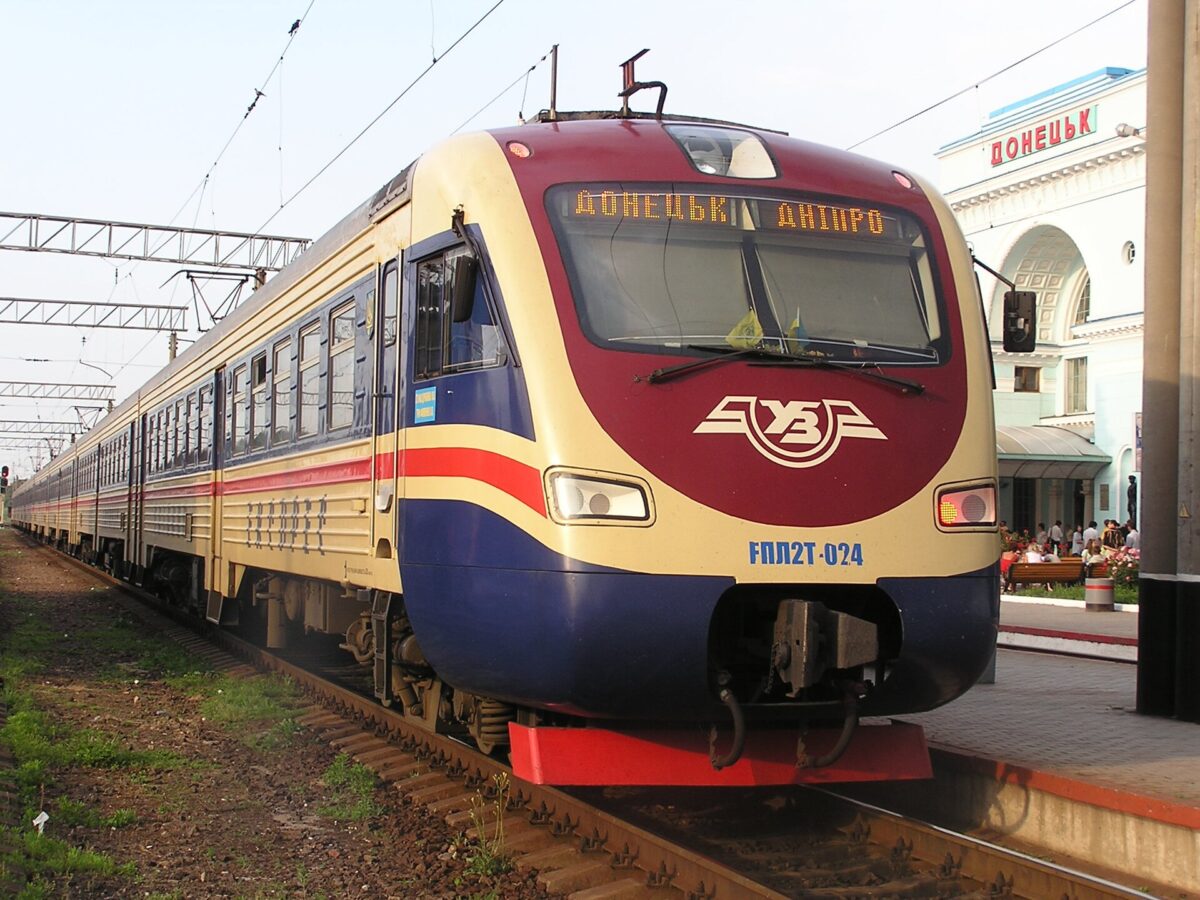
Illustrative photo: Andrey Butko / CC BY-SA 3.0
Read also: