Businesses suggest using QR codes to inform consumers instead of physical stickers
The European Business Association has appealed to government officials to introduce simplified conditions for the labelling of imported goods during martial law. This measure aims to reduce financial losses for companies affected by constant enemy shelling of infrastructure. This was reported by European Business Association, according to the portal PromPolitInform.
Business representatives emphasize that due to the destruction or damage of warehouses, logistics centers, and equipment, many companies lack the physical ability to apply proper labelling to every unit of goods. Moving operations to temporary facilities significantly limits the technical resources available to meet standard regulatory requirements, leading to delays in supplying products to the market.
The need to expand the special mechanism
Similar issues arose in 2022, prompting authorities to allow simplifications for imported feed and food products. The validity period of the corresponding mechanism, stipulated by Cabinet of Ministers Resolution No. 980, expires on October 1, 2026. Despite being grateful for the extension of the preferential regime for food products until April 1, businesses insist on extending similar preferences to the non-food category, as the security situation remains difficult.
Proposals for alternative labelling
The Association proposes legalizing the distribution of imported goods with foreign-language labelling, excluding Russian, at the legislative level. At the same time, it is suggested that mandatory information in Ukrainian be provided to consumers through alternative communication channels: QR codes, electronic price tags, official websites, or mobile applications.
Features of state control
Other initiatives include permitting the sale of products without the mandatory application of the conformity mark to technical regulations until their expiration date. Water heaters and gas boilers remain the only exceptions, as safety requirements must be maintained for them. It is also proposed to establish a special regime for state market surveillance and to implement simplified procedures for critical imports, specifically dietary supplements and medical devices, in the event that an importer loses their warehouse capacity.
Addressees of the appeal
The corresponding initiatives have already been sent to a number of relevant authorities. The appeal was received by the Prime Minister, the Minister of Economy, and the Minister of Health of Ukraine, as well as the leadership of the State Service of Ukraine for Food Safety and Consumer Protection. In addition, the document was forwarded to the relevant Verkhovna Rada committee responsible for finance, customs, and tax policy.
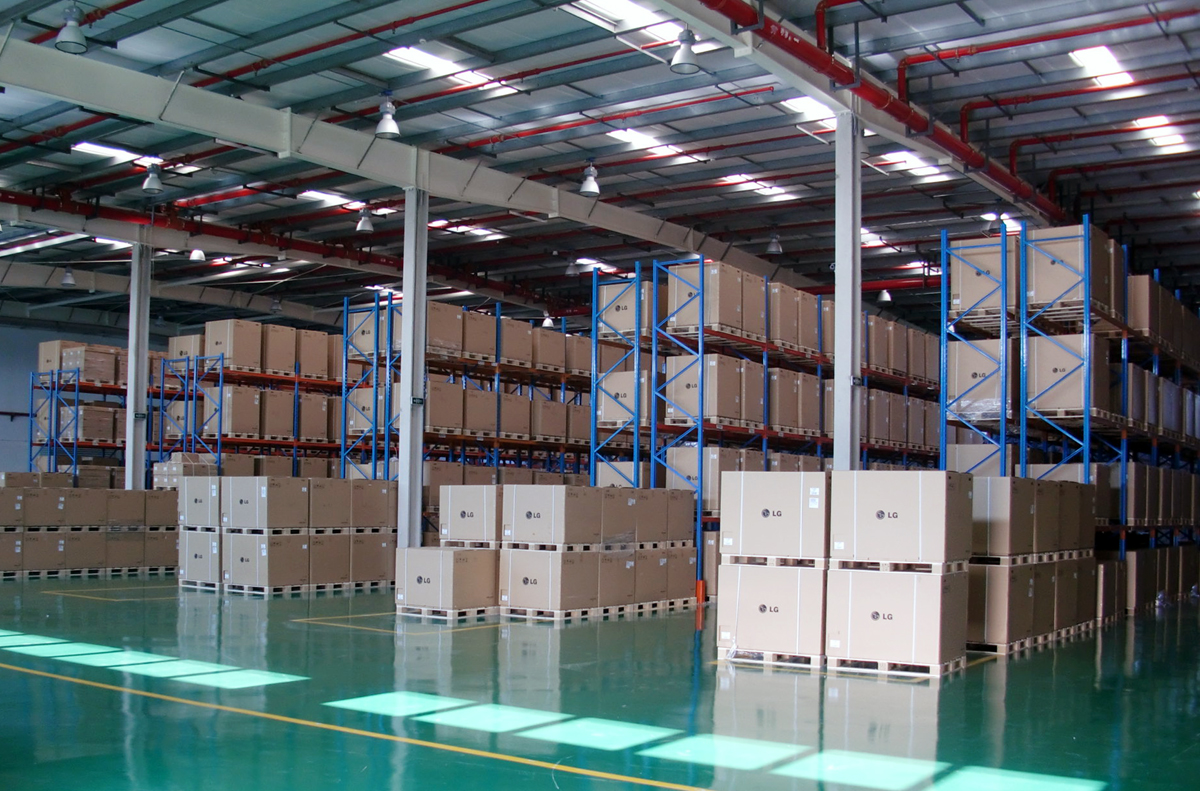
Illustrative photo: Romlogistics / CC BY-SA 3.0