In the first eight months of 2026, the Ukrainian metal products market saw a significant increase in its reliance on imports. According to analytical data, imports of long steel products to Ukraine grew by 46% compared to the same period last year, reaching 261,000 tonnes. This was reported by AgroReview and cited by the PromPolitInform portal.
Import trends and supply structure
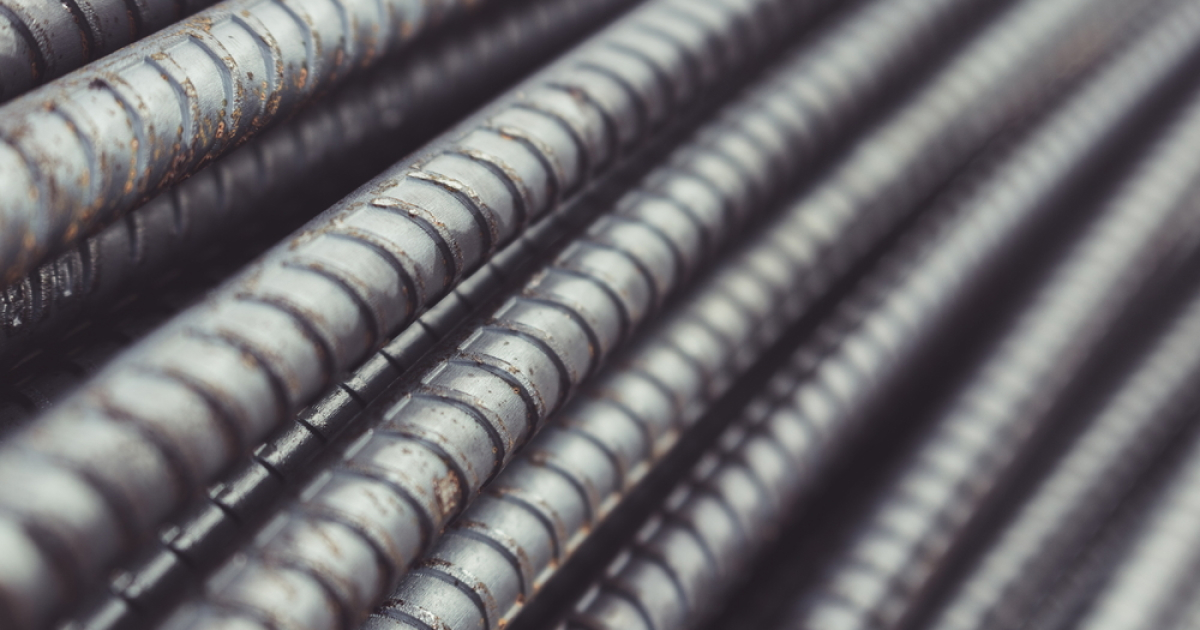
Customs statistics indicate growing interest among Ukrainian consumers in products from foreign manufacturers, particularly for metal structure requirements. Rebar (UKTZED code 7214) accounts for the largest share of imported products; its volume increased by 64%, reaching 79,500 tonnes.
This growth is driven by the intensification of construction work and the restoration of infrastructure facilities, where rebar remains an indispensable material. At the same time, the rise in the import share suggests that domestic production cannot always promptly meet demand, which fluctuates constantly due to the impact of the war and post-war recovery processes.
Market-influencing factors and industry outlook
Experts attribute this trend to several factors. These include logistical challenges that drive up production costs for Ukrainian metallurgical enterprises, as well as shifting consumption patterns that prioritize rapid delivery of finished goods for urgent projects. The rise in long steel product imports also reflects the broader economic climate, where material availability has become a critical factor for businesses.
“The growing share of imports in the market has both positive and negative implications. On the one hand, it helps prevent shortages and sustains construction momentum. On the other, it places additional pressure on the national currency and limits growth opportunities for domestic producers, who must compete with foreign companies despite unequal logistics costs,” experts note.
Analysts predict that the market will continue to adapt to these new conditions. Future import trends will depend on the stability of energy supplies, access to raw materials, and the overall investment appeal of the construction sector. To minimize reliance on foreign suppliers, government and business leaders should focus on supporting domestic production.
Ultimately, the import volume of 261,000 tonnes of metal products serves as a significant market signal. As major consumers of metal products, the agricultural and construction sectors require reliable supply chains; therefore, the issue of optimizing import operations will remain relevant through the end of 2026.