NATO is intensifying intelligence sharing following a series of incidents likely linked to Russia. The Alliance considers a limited attack unlikely but possible.
NATO is stepping up intelligence sharing in response to a wave of sabotage and other incidents likely linked to Russia; however, the Alliance must maintain “calm and confidence” in its ability to counter any threat from Moscow. A senior NATO commander stated this to Reuters on Thursday, UNN reports, citing the PromPolitInform portal.
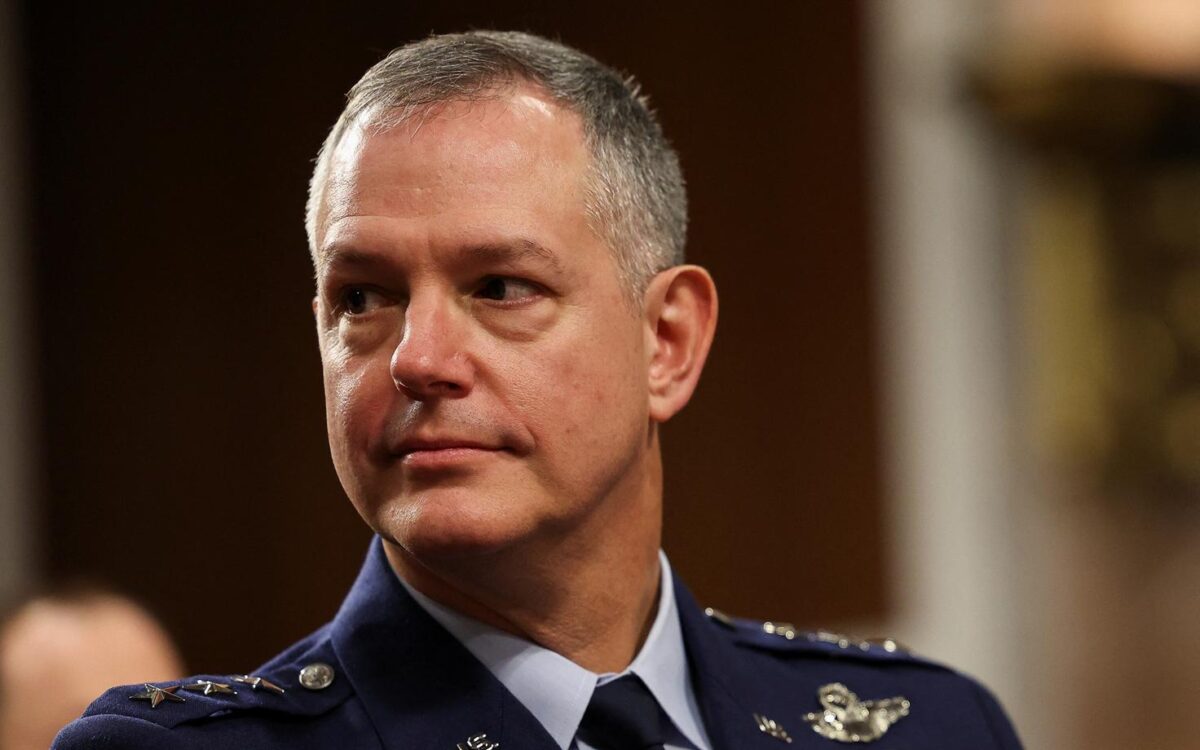
The statement by U.S. Air Force General Alexus Grynkewich followed a warning from Denmark’s military intelligence service that Russia is likely to intensify hybrid warfare against the West in the coming months (a term encompassing a range of attacks that fall short of a full-scale military assault).
The Danish service also noted a “low but growing risk” that Moscow could carry out a limited military attack on one or more NATO nations bordering Russia. “It is concerning,” said Grinkevich, NATO’s Supreme Allied Commander Europe, commenting on a series of recent incidents, including a drone attack attempt on Germany’s Leipzig-Halle Airport and a Russian ship firing flares at a Danish military helicopter.
“But we must remain calm and confident that we, as an Alliance—the most powerful alliance in history—possess the necessary tools and mechanisms to manage these risks,” he added.
The publication notes that Moscow has repeatedly denied involvement in hybrid warfare or sabotage operations within NATO countries, as well as any plans to instigate a conflict.
Grinkevich gave a telephone interview to Reuters while en route to a change-of-command ceremony at NATO headquarters in Norfolk, Virginia, where a British Army general is taking over the post from a U.S. Navy vice admiral.
When asked about the risk of a limited Russian attack on NATO territory, Grinkevich emphasized the Alliance’s readiness for such a scenario, noting that while such a development is “unlikely, it cannot be ruled out.”
Grinkevich dismissed suggestions that Russian dictator Vladimir Putin might see an opportunity to strike NATO given that the U.S. has depleted a significant portion of its global stockpiles of long-range precision missiles during the war with Iran (according to individuals familiar with the data). “Categorically no.” “He had better not try to do that while I am in command here,” he said, adding that NATO has the full capability to defend every inch of its territory.
“If we move beyond the current phase and see the emergence of new threats, I am confident that I already possess the necessary authority to take measures to deter any aggression against the Alliance.”
What else you should know
The transfer of the Norfolk command to a European officer is part of a broader reorganization that meets U.S. President Donald Trump’s demands: that European countries take greater responsibility for their own security. A European officer will also head NATO’s Joint Force Command in Naples.
NATO’s Joint Force Command in Norfolk is responsible for operations in the Arctic and Northern Europe, as well as for protecting transatlantic supply lines.
Seeking to reassure European allies concerned about a review of the U.S. military presence on the continent, Grinkevich stated that Washington would continue to provide NATO with “critically important but more limited resources and capabilities” as Europeans assume a larger role.
He noted that there is “no predetermined decision” regarding the number of U.S. troops that will remain in Europe or “exactly which forces might be redeployed.” Currently, about 80,000 U.S. troops are stationed on the continent. Trump has repeatedly threatened to withdraw from NATO—an organization dominated by the US since its founding in 1949—accusing Europeans of benefiting from security without making an adequate contribution.