Energy prices rise for a second day due to US-Iran conflict and exports from the Persian Gulf
On September 29, oil prices rose for the second consecutive day due to fears of supply disruptions from the Middle East amid the conflict between the US and Iran. Brent futures increased by 1.4% to $106.77 per barrel, while West Texas Intermediate rose by 1.5% to $93.94. This was reported by Ukrinform citing Reuters, according to the portal PromPolitInform.
The market is reacting to the escalation of tensions in the region where the war has been ongoing for seven months. Analysts note that a significant portion of the increase in oil exports from Persian Gulf countries is being ensured through ship-to-ship transfers. This method is less efficient and more expensive than standard operations, which supports high prices.
Dynamics of Oil Futures Prices
According to trading data, the Brent contract rose by $1.49, and WTI by $1.34. Both grades showed an increase of almost $1 per barrel in the previous session. Oil exports from leading Middle Eastern producing countries in September increased to 12.8 million barrels per day, the highest level since February. The growth was facilitated by increased supplies from Saudi Arabia and the UAE.
Negotiations on the Strait of Hormuz
US and Iranian representatives held separate negotiations with mediators. It is expected that future meetings will focus on a modified version of Iran’s seven-day proposal presented last week on the sidelines of the UN General Assembly. US President Donald Trump rejected Tehran’s latest proposal to open the Strait of Hormuz, calling it unacceptable.
Impact on Inflation Expectations
Analysts at UOB noted that the main risk remains the confrontation between Washington and Tehran and its impact on energy prices and inflation expectations. Iranian officials expressed pessimism about the possibility of reaching an agreement before the situation in the Strait of Hormuz escalates, maintaining a high level of uncertainty regarding oil supplies.
US Policy on Fuel
The US is considering relaxing regulatory requirements to allow wider sales of diesel fuel with red dye. This could allow some buyers to avoid paying federal fuel taxes. The proposal resulted from several days of discussions and is considered the main alternative to the ban on diesel fuel exports.
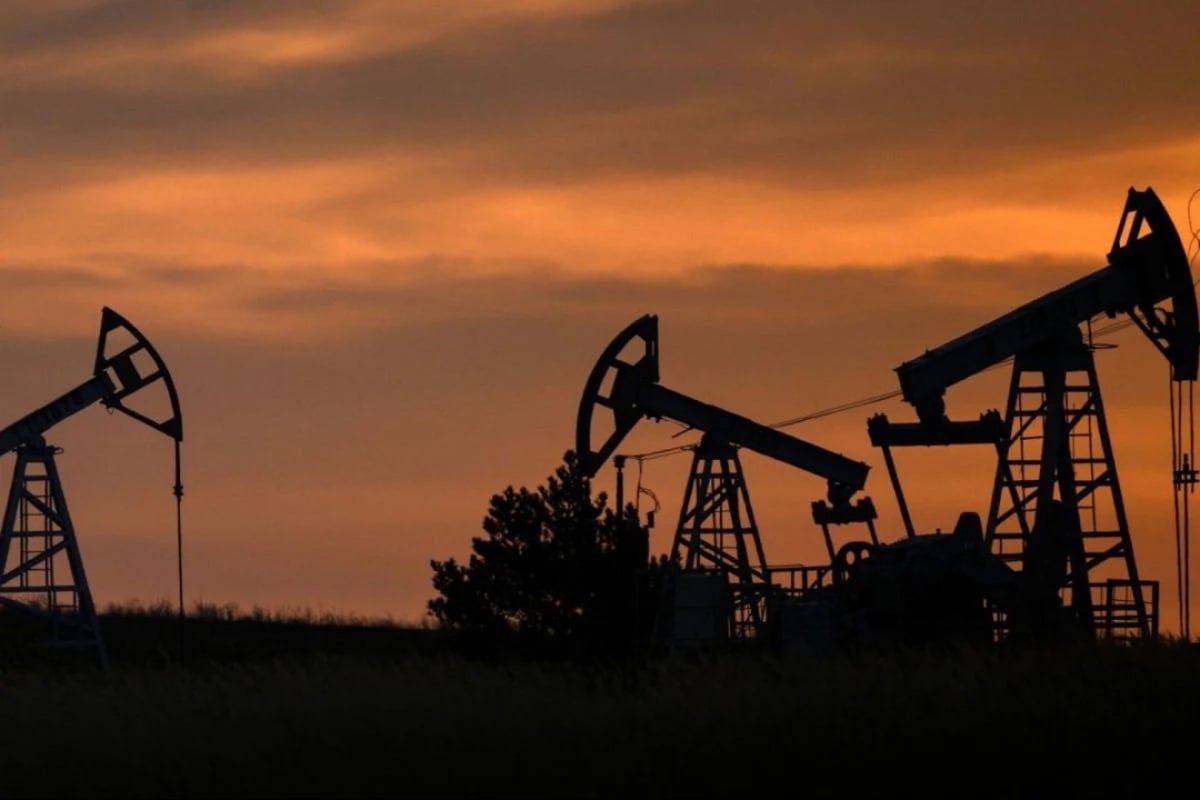
Photo: СЗР
Read also: Forecast for fuel station prices in Ukraine in October: impact of US elections and Iran