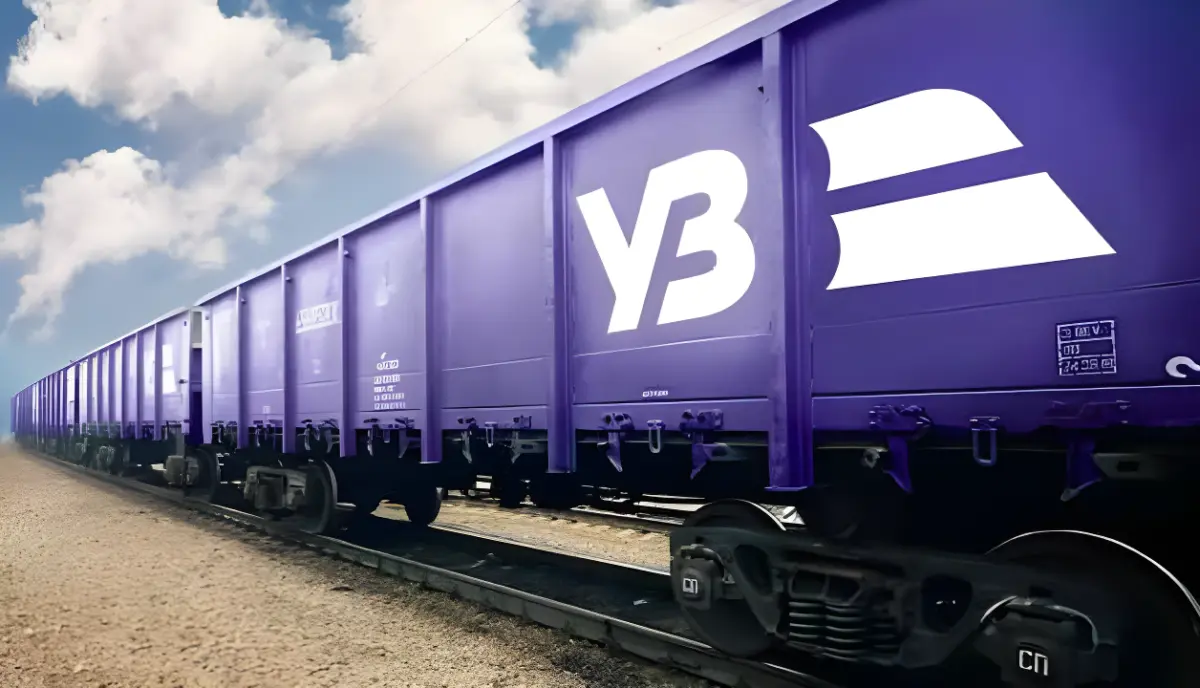
JSC Ukrzaliznytsia has initiated a phased indexation of freight transport tariffs within Ukraine. Specifically, the company proposes a 30% rate hike starting August 1, 2026. Ukrzaliznytsia announced this on Facebook, as reported by Rubryka. The portal PromPolitInform informs.
“The first stage is expected to take effect on August 1, 2026: it entails a 30% tariff increase for freight transport within Ukraine, as well as the unification of tariffs for empty wagon transport to make these operations break-even.
Currently, archaic rules are in place under which the transport of empty wagons is priced based on what was previously carried in them,” the statement reads.
How Ukrzaliznytsia arrived at the decision to raise freight tariffs
Rail freight tariffs have not been indexed for nearly two years (since the summer of 2022). However, even the previous indexation—as noted by Ukrzaliznytsia—did not bring tariffs to an economically justified level. During this period, the industrial producer price index reached 176.4%. Meanwhile, railway officials proposed a much more modest tariff adjustment—only 37% (or approximately 13% on an annualized basis)—given that 2.5 years had passed since the last adjustment.
The company emphasized that rail freight tariffs within Ukraine are supposed to be adjusted annually. This requirement is set out in Cabinet of Ministers Resolution No. 1392 dated December 16, 2009, “On Ensuring Transparency of State Tariff Policy Regarding Rail Freight Transportation within Ukraine.”
However, as Ukrzaliznytsia noted, this rule was not consistently followed. Consequently, the pace of rail freight tariff adjustments has lagged significantly behind changes in the prices of key resources consumed by the railway.
Specifically, according to Ukrzaliznytsia data, since the last freight tariff review, prices have risen by 166% for electricity, 110% for diesel fuel, 217% for diesel locomotive spare parts, 22% for electric locomotive spare parts, 37% for bearings, and 20% for solid-rolled wheels. According to Rail.insider, the justifications for the tariff hike include:
Significant lag of tariffs behind the rise in industrial product and energy prices: The last increase occurred nearly four years ago (in June 2022). During this period, the industrial producer price index (PPI) rose by 252.1%, far outpacing the rate of tariff indexation.
Rising production costs: The company’s expenses are increasing due to war-related and external factors. Notably, electricity prices surged by nearly 50% in 2024.
Declining transport volumes: Freight transport volumes fell by another 12.5% in 2025.
Critical liquidity shortage and unprofitability: Financial results have turned negative again. In 2025, the net loss amounted to UAH 7.6 billion, while in the first four months of 2026, it already reached UAH 9.3 billion. Under current conditions, JSC Ukrzaliznytsia is projected to incur a net loss of over UAH 13 billion and face a funding gap exceeding UAH 26 billion in 2026.
Exhaustion of internal reserves: The company has already implemented drastic cost-cutting measures (closing depots, reducing staff, and cutting capital investments), saving UAH 7.5 billion in 2025.
Lack of funds for the renewal of railway infrastructure assets. At the same time, Ukrzaliznytsia noted that a decision regarding the next indexation stage, scheduled for January 1, 2027, would be made separately.
The company stated that implementing the indexation would enable the financing of repairs for rolling stock and infrastructure. Conversely, failing to do so would pose significant risks to the safe and uninterrupted operation of Ukraine’s critical infrastructure.
Ukrzaliznytsia emphasizes that even after the indexation, the cost of rail logistics within the final product price will remain lower than in 2022–2023. This is due to rising prices in export markets. The company also offers a comparison: in euro terms, Ukrainian tariffs actually decreased by 23% between 2023 and 2026 due to the hryvnia’s devaluation, whereas transportation costs—particularly energy expenses—rose sharply.
This 30% price increase is an attempt to catch up with the cost increases incurred over the past four years. Had Ukrzaliznytsia raised tariffs gradually—adding 7% annually starting in 2022—it would have aligned perfectly with standard annual indexation practices.
Impact on cargo costs
According to Ukrzaliznytsia’s calculations, the cost increase for key commodities will be as follows:
Grain: an increase of UAH 169 per tonne.
Iron ore: +UAH 160.4 per tonne. Coal: +143.3 UAH per tonne.
These figures are calculated based on the average transportation distance. For the company, this is a step toward financial stabilization—a prerequisite for securing support from international financial institutions. It is worth noting that since the start of the full-scale invasion, the enemy has damaged over 5,400 infrastructure facilities, and Ukrzaliznytsia’s total losses exceed UAH 100 billion.
For the end consumer, this increase inevitably means higher prices for goods and raw materials, as businesses will factor the rise in logistics costs into the selling price of their products.
This will exert pressure on domestic prices but will enable the railway to maintain network operations during the war and invest in the restoration of tracks and rolling stock—measures that are critical for the country’s exports and overall logistics.
At the same time, the company notes that even after the rate adjustment, the share of rail logistics costs in the final product price will remain lower than in 2022–2023. This is attributed to rising prices in export markets.
Ukrzaliznytsia also points out that even after this adjustment, the company will require further optimization measures. However, the carrier estimates that this decision will make it possible to:
stabilize the company’s financial position,
create the conditions for resuming support from international financial institutions.