The European Commission introduced the carbon levy despite critical damage to production capacities
The head of the Verkhovna Rada subcommittee, Musa Mahomedov, has called on the EU to jointly reassess the impact of the CBAM mechanism on the Ukrainian economy. Current European Commission estimates proved inaccurate, leading to a significant drop in industrial exports. This was reported by UAprom citing Musa Mahomedov, according to the portal PromPolitInform.
A representative of the Ukrainian parliament emphasized the need to form a joint working group involving government officials and the business community to analyze the consequences of the carbon levy. The initiative aims to correct systemic errors in the forecasts of European institutions, which failed to account for the realities of an economy operating under wartime conditions.
Export losses and production decline
Due to the introduction of the full-scale CBAM mechanism on January 1, 2026, buyers of Ukrainian goods in the EU faced additional charges ranging from 35 to 100 euros per ton. This reduced the competitiveness of domestic products and led to mass contract cancellations, resulting in export losses equivalent to 0.2% of GDP in the first quarter of this year.
Statistics show a sharp decline in supply volumes: exports of ferroalloys fell by 93%, pig iron and merchant bar by 60%, and pipe products by 17%. Furthermore, Musa Mahomedov noted that at the end of September, the industry faced a week-long suspension of steel production for the first time in history due to security factors.
Decarbonisation proposals
The member of parliament stated that the industrial sector is not abandoning its decarbonisation path but requires correct approaches during martial law. It is proposed to defer CBAM financial obligations for Ukrainian companies, allowing them to redirect funds toward modernizing fixed assets rather than paying customs duties.
Currently, according to the lawmaker, the actions of European partners appear paradoxical. While Russian missile strikes are deliberately destroying Ukrainian plants, the imposition of additional trade restrictions only increases pressure on businesses already struggling to survive in extreme conditions.
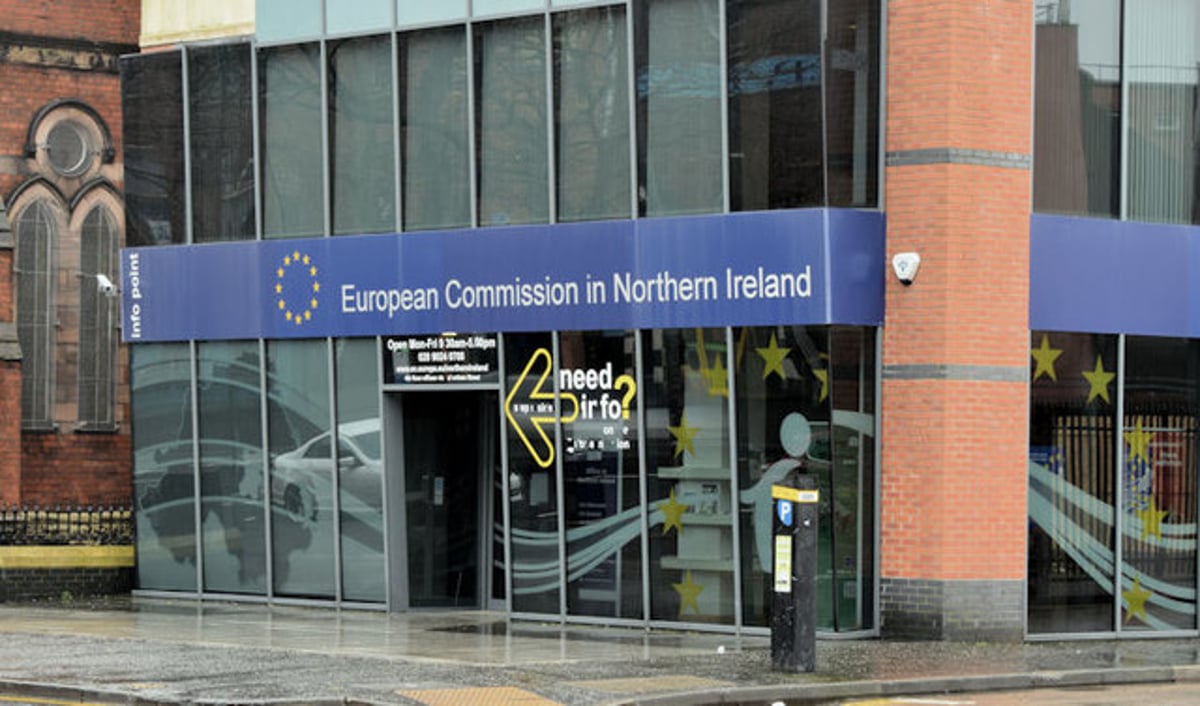
Illustrative photo: Albert Bridge / CC BY-SA 2.0
Read also: European Business Association Demands to Keep Zero Quota on Scrap Export