Collateral liquidity ratio for defence supply contract rights raised to 0.75
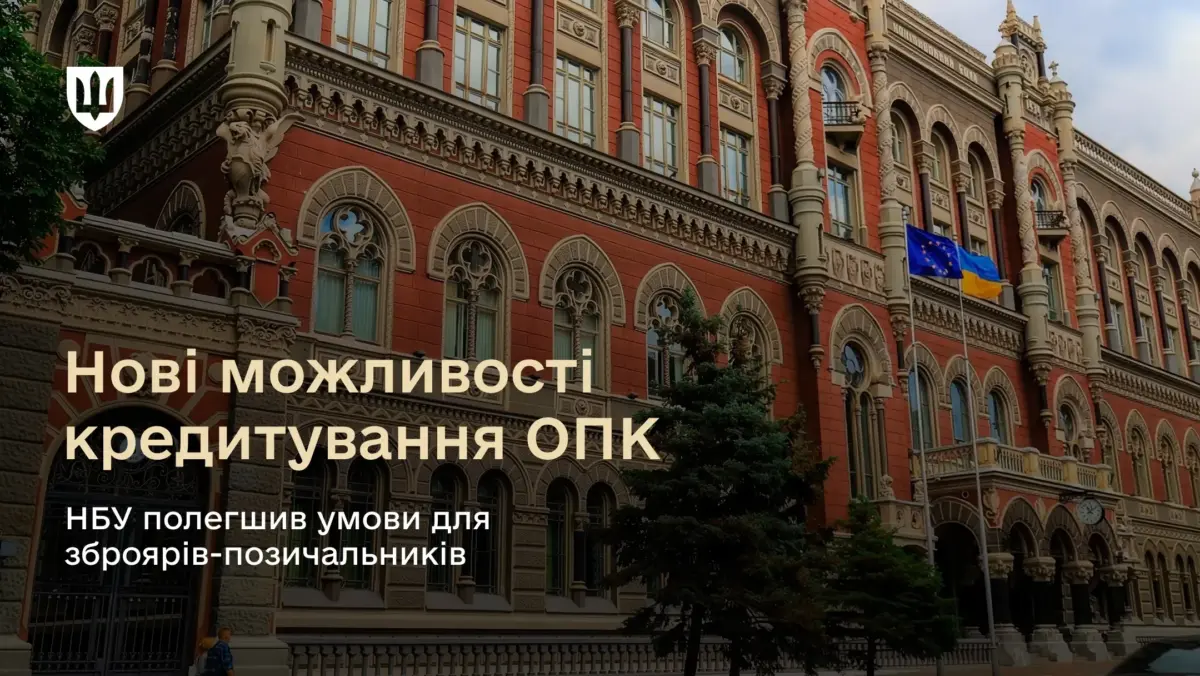
The National Bank of Ukraine has approved a third package of regulatory relaxations to support lending to the defence industry and energy sector. The new rules expand banks' capacity to assess risks and collateral for defence manufacturers. This is reported by the portal PromPolitInform, citing information from the Ministry of Defence of Ukraine, based on data from the National Bank of Ukraine.
Under the central bank’s decisions, the liquidity ratio for collateral in the form of property rights under defence supply contracts has been raised from 0.3 to 0.75. This allows commercial banks to recognise a higher share of contract value when assessing credit risk.
Deputy Defence Minister Hanna Hvozdyar noted that stable access to finance is crucial for purchasing raw materials, maintaining capacity, and fulfilling military orders. She emphasised that the updated rules align with defence manufacturing specifics, where state contracts provide primary revenue but traditional collateral is often lacking.
Inventory Accepted as Loan Collateral
Until 1 September 2027, banks may accept goods in turnover or processing as collateral based on actual balance sheet values at the assessment date. This provision applies to short-term loans up to 18 months, with collateral value capped at the contract amount.
This measure enables defence enterprises to raise working capital against existing inventory to fund daily operational requirements.
Support for Damaged and Relocated Facilities
Additionally, the NBU allowed banks to apply flexible creditworthiness assessments for defence firms whose assets were damaged or trapped in mined areas. Lenders can now factor in projected operational performance to evaluate post-war recovery potential alongside current finances.
Combined with debt restructuring options, these steps aim to help affected arms manufacturers resume operations. The Ministry of Defence added that over 200 concessionary loans worth 12.5 billion UAH have already been issued under its sector support scheme.
Photo: Ministry of Defence of Ukraine
Read also: Hryvnia depreciation: why bank deposits are losing their appeal