An enlarged UAV version with a 63-liter fuel tank is capable of covering up to 1,200 kilometers
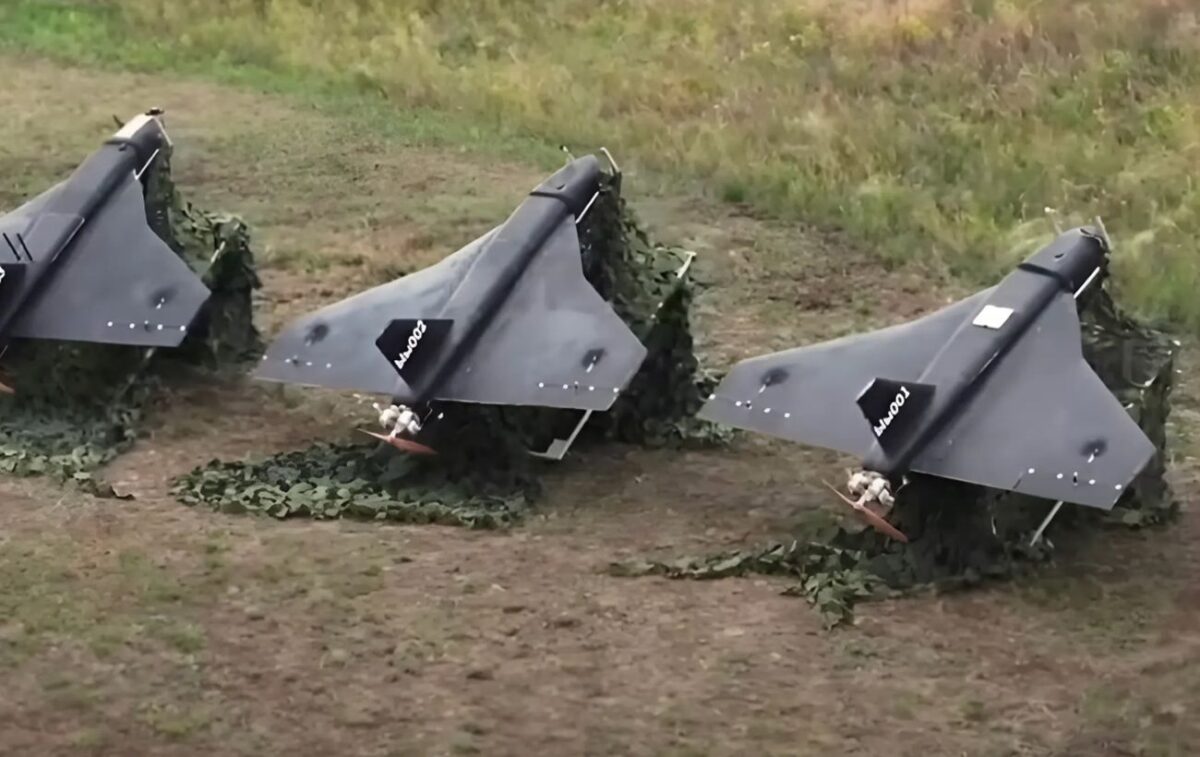
Russian occupation forces have begun using an upgraded version of the Gerbera drone, which features an increased operating range and the capacity to carry a more powerful warhead. This new model, examined by Ukrainian specialists, is capable of covering a distance of up to 1,200 kilometers. This is reported by the portal PromPolitInform, citing the Telegram channel of Defence Intelligence of Ukraine.
Initially developed as target decoys to overwhelm Ukraine’s air defense system, these devices have undergone significant evolution. While the initial versions in the Scout and Kamikaze variants were relatively inexpensive, modern units have come to match the technical capabilities of much more expensive Geran-series drones.
The new modification, designated Gerbera-2, has increased dimensions: the drone’s wingspan reaches 3 meters, and its fuselage length is 2.6 meters. Designers installed a 63-liter fuel tank, which is divided into separate sections to maintain stability during flight.
Technical specifications and armament
The drone’s propulsion system is based on a two-cylinder two-stroke engine, which is localized for production at the Alabuga facilities. Stated performance indicators suggest the drone can carry a warhead weighing up to 25 kilograms, although one analyzed unit contained a 10-kilogram high-explosive incendiary warhead paired with bags of incendiary mixture.
The electronic components include an updated flight controller, a Kometa navigation system, and a mesh modem manufactured by the Chinese company Shenzhen Sinosun Technology Co., Ltd. Video processing is handled by a dedicated unit based on the Coke Pi microcomputer, and the fuselage features several cameras for visual monitoring and interceptor detection.
Range of operation
The analysis of the components revealed a dominance of parts from Chinese and American manufacturers. The extended operational range provided by the new fuel tank significantly expands the potential impact zone, taking it far beyond the Ukrainian frontline.
Experts noted that such drones carrying warheads have already been detected outside Ukraine, particularly on the Baltic Sea coast in Poland. Intelligence agencies continue to study enemy weapon systems to inform the international community about the risks associated with the expanding technical capabilities of Russian strike assets.
Photo: Defence Intelligence of Ukraine
Read also: Iryna Lukianets: my experience of emigrating to Germany