Following Russian strikes, TPP-5, TPP-6, and Darnytsia TPP no longer generate power
Kyiv is preparing for a challenging heating season following significant damage to its energy infrastructure and the loss of local power generation. The city faces heightened risks from new strike capabilities, including jet-powered drones, amid a shortage of anti-ballistic air defence systems. This was reported by RBC-Ukraine (Марія Науменко), according to the portal PromPolitInform.
Local and national authorities implemented more cold-weather preparations than last year. However, evolving threat tactics and a shortage of anti-ballistic defence systems prevented the completion of all planned measures.
Severe damage to energy facilities makes uninterrupted resource supplies impossible to guarantee, even with larger reserves. Experts warn that the current season could prove more difficult than the previous one.
Loss of Local Power Generation
Prior to Russian strikes, Kyiv thermal power plants supplied heat to residents and generated substantial electricity for the city. Due to damage, TPP-5, TPP-6, and Darnytsia TPP have entirely halted power generation.
Kyiv now depends heavily on electricity imported from Ukraine’s unified power grid via external hubs. However, power delivery remains vulnerable due to persistent attacks on distribution substations.
Grid disruptions previously caused a temporary shutdown of the Kyiv Metro following a voltage drop on 8 October. As a major electricity consumer, the metro system may face temporary disconnections during severe power deficits to help stabilize the grid.
Heating Supply Challenges
Damage to thermal power plants also threatens heat supplies to residential buildings. Backup boiler houses are expected to absorb part of the load, but not all planned facilities were prepared in time for freezing temperatures.
The capacity of auxiliary heat sources may prove insufficient to maintain standard indoor temperatures during severe cold snaps. Under a worst-case scenario, municipal services may only be able to guarantee water, sanitation, and power for critical infrastructure.
Energy and heating conditions on the left bank of the capital are expected to be more severe than on the right bank. The duration and impact of potential outages will depend on the intensity of future attacks and the speed of repair work.
Infrastructure Protection and Season Launch
The pace of constructing protective structures at regional energy facilities remains a critical factor for the city’s resilience. Reports previously highlighted low completion rates for certain shelters, with progress standing at just 13–16%.
Despite these risks, the heating season officially began in the capital on 16 October. Priority heat supply was directed to hospitals, schools, and kindergartens.
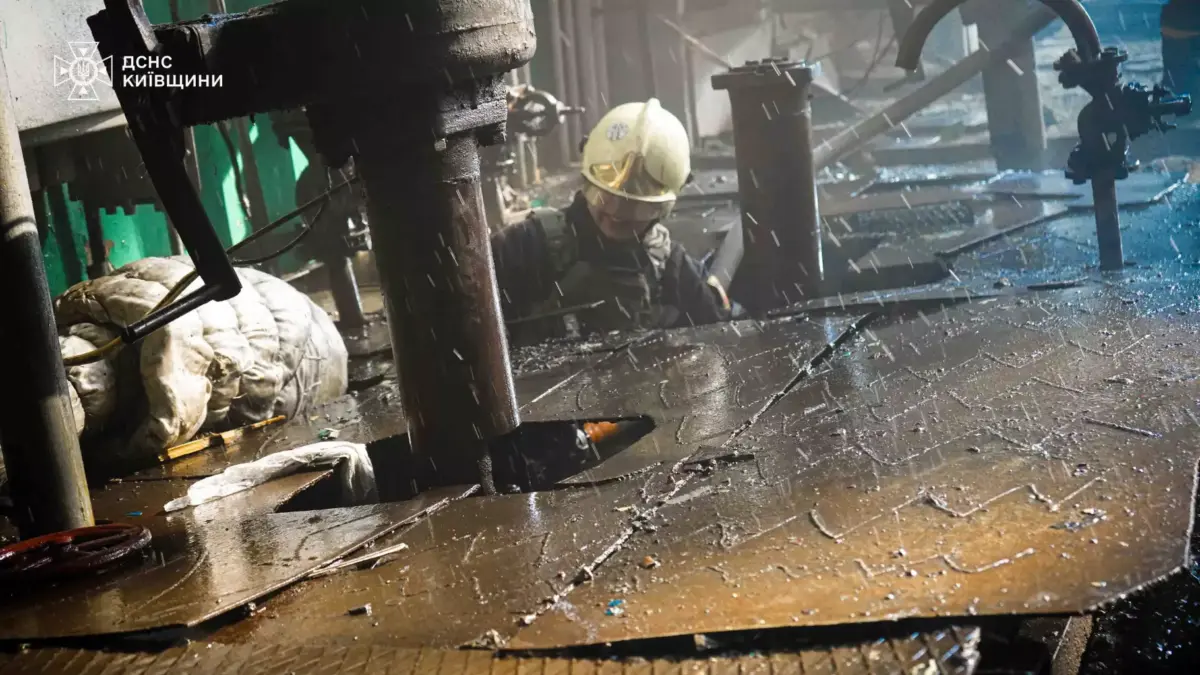
Illustrative photo: State Emergency Service of Ukraine / CC BY 4.0
Read also: Crypto exchange WhiteBIT and Elina Svitolina’s foundation launch a tennis training program in Spain