The power plant runs on heavy fuel and requires no liquid cooling
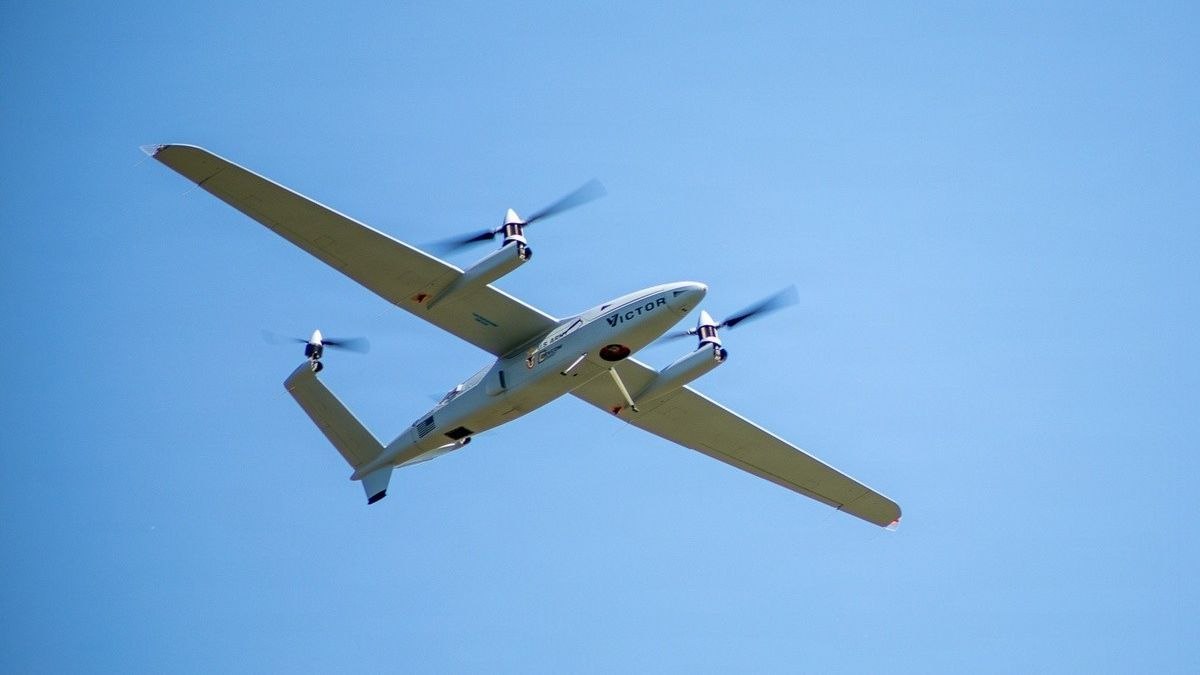
US Army researchers have successfully flight-tested the VICTOR drone, featuring a hybrid propulsion system with a 3D-printed engine. The system is designed to enhance the effectiveness of tactical unmanned aircraft systems in challenging environments. This was reported by United States Army, according to the portal PromPolitInform.
The development, carried out by specialists at the US Army Combat Capabilities Development Command (DEVCOM) Army Research Laboratory, is based on the Versatile Tactical Power and Propulsion program. The primary goal of the researchers was to create an engine capable of efficiently operating on heavy fuel, which significantly improves drone performance, including flight endurance, payload capacity, and high-altitude operations.
Utilizing additive manufacturing techniques, specifically 3D metal printing, allowed engineers to rapidly refine engine components based on experimental data. A key feature of the design was the elimination of a liquid cooling system in favor of an air-cooled architecture, which reduced the overall size of the propulsion system.
Innovative hybrid architecture
The engine is integrated into a hybrid system featuring a 400-volt motor-generator. This combination enables the drone to perform vertical takeoff and landing, which is critical for operations in contested environments. The VICTOR UAS project belongs to the Group 3 category of medium-sized unmanned aircraft systems.
To develop the airframe for the propulsion system, the researchers collaborated with aerospace industry partners, including Griffon Aerospace. Through advanced computational fluid dynamics modeling, the team succeeded in minimizing fuel vapor leaks and ensuring stable combustion within the rotary engine.
Future developments based on VICTOR
The research program, beyond the successful flight demonstration, has provided the US Army and the scientific community with numerous patents, design methodologies, and technical datasets. Advances in combustion chemistry, material science, and hybrid electric technology resulted from collaboration with over 30 universities and more than 20 industry partners.
The insights gained will inform the implementation of the PULSAR concept, which envisions using a swarm of VICTOR drones for various missions, including logistics and autonomous strikes. The technologies are now being prepared for further integration into military capabilities and continued refinement by industry partners.
Photo from the web