The US Congress is expected to reduce contacts with Russian authorities
The victory of the Democratic Party in both houses of the US Congress on November 4, 2026, will significantly alter Washington's approach to relations with moscow. Experts suggest that ending the era of 'flirting' with russia will be the primary consequence of the new legislative landscape. This was reported by RBC-Ukraine (Валерій Ульяненко) citing Oleksandr Leonov, according to the portal PromPolitInform.
Oleksandr Leonov, executive director of the Penta Center for Applied Political Studies, notes that the prospects for joint economic projects between the Kremlin and the American administration through intermediaries are diminishing. It is expected that this track of interaction will likely be phased out.
The legislative branch may increase pressure on the russian federation in response to systematic attacks on Ukraine’s energy infrastructure and civilian casualties. One option under consideration is reviving discussions on designating russia as a state sponsor of terrorism.
Congressional influence tools
Beyond countering russian influence, Congress will serve as a restraint on potential foreign policy conflicts, including those involving Iran. Even if President Donald Trump initiates radical measures, funding for such actions will rely on the position of lawmakers.
The Republican faction in Congress previously emphasized that they would block budget appropriations if the administration continues its policy of engaging with Moscow. With a Democratic majority of 227 seats in the House of Representatives and 54 mandates in the Senate, the parliament’s position becomes a decisive factor in Washington’s foreign policy.
Interaction between branches of government
Despite Donald Trump’s stated readiness to work with opponents, the president retains veto power over bills passed by Congress. Future relations between the White House and the new legislative body will depend on the balance of compromises and the use of presidential authority to block unwanted legislation.
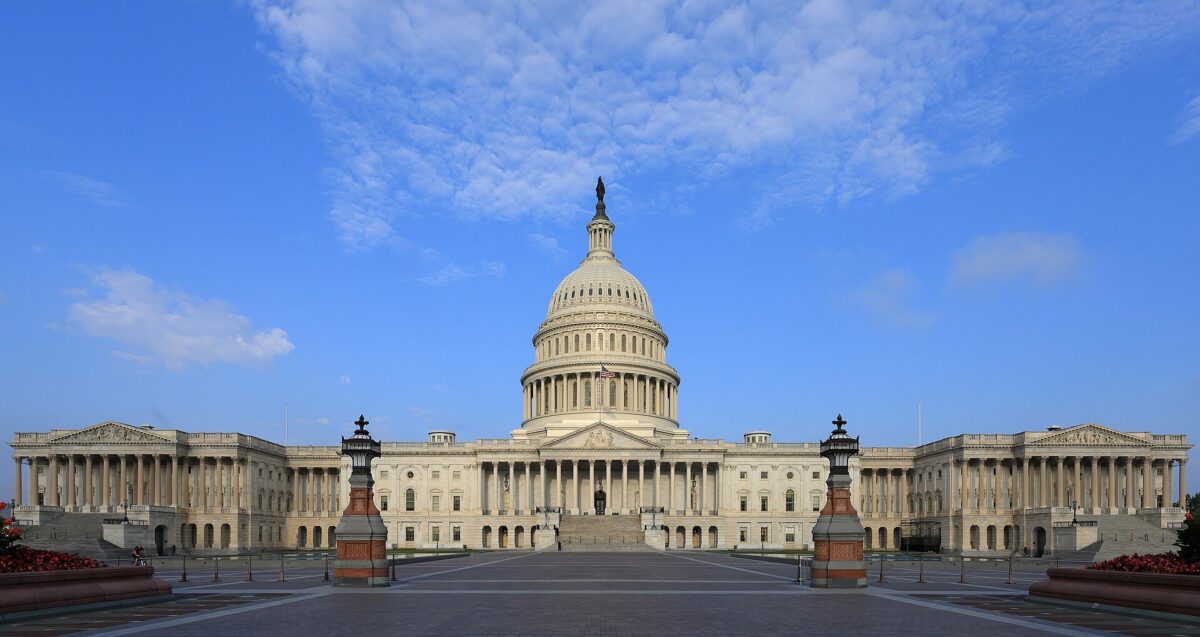
Illustrative photo: Martin Falbisoner / CC BY-SA 3.0
Read also: Abu Dhabi Talks Mean Return to Istanbul Agreements, Expert Says