The Russian budget has spent 5 billion dollars on compensation for oil companies
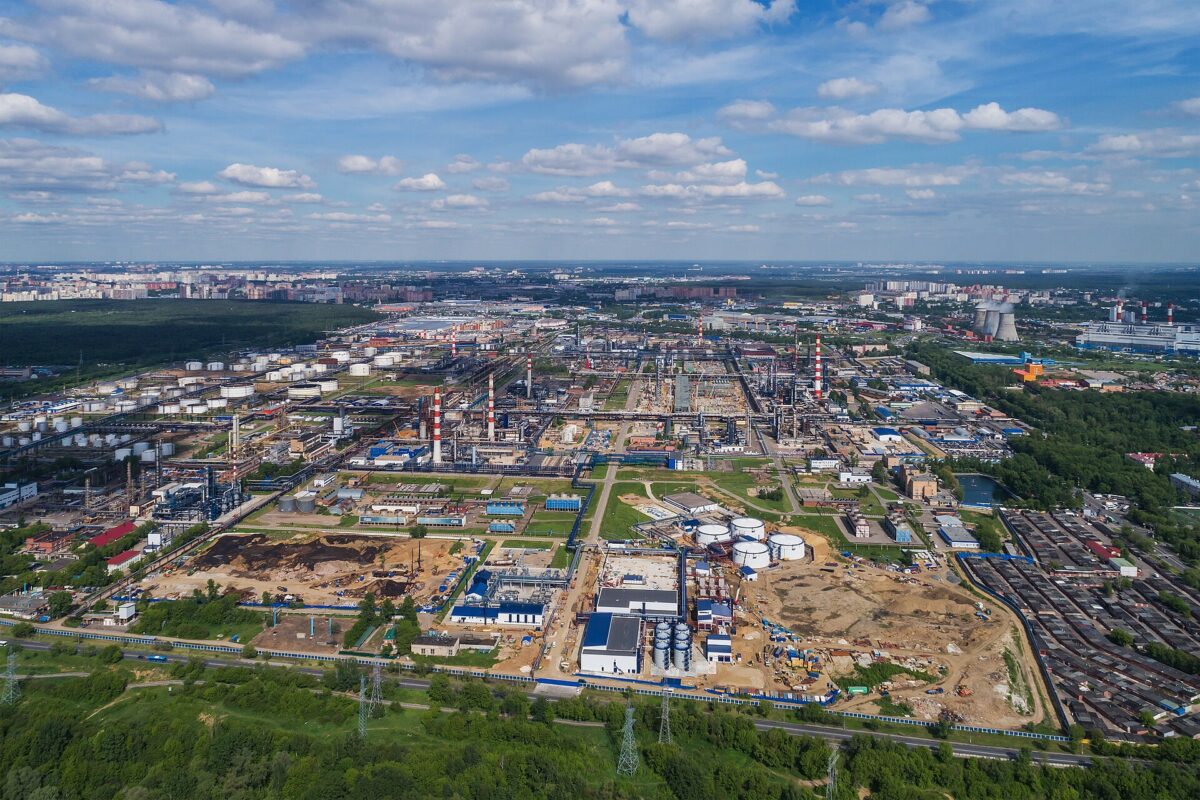
Systematically disabling equipment at Russian oil refineries has ceased to be solely a military report factor. It has transformed into a direct economic factor that destroys the financial stability of the aggressor. Damage to critical infrastructure has forced the Kremlin to choose between fuel shortages within the country and draining budget reserves.
Analytics from Bloomberg indicate that the government of the Russian Federation has directed about 5 billion dollars to support oil companies. These funds were allocated as state subsidies to compensate for losses incurred by the companies due to imposed restrictions on fuel exports and reduced raw material processing volumes.
Rising price pressure
The scale of financial deformation is acknowledged within the Russian Federation itself. A report by the Central Bank of the Russian Federation stated that damage to oil refining infrastructure proved to be significantly more extensive than the regulator’s previous forecasts had assumed. The Central Bank of the Russian Federation identified these disruptions as a key pro-inflationary factor within the country.
According to the Central Bank of the Russian Federation, inflation growth rates reached 8% in the third quarter. The regulator emphasizes that the energy sector has become the primary source of price hikes, and secondary consequences of attacks on refineries continue to exert long-term pressure on the entire financial system.
A spending trap for the state budget
The current situation demonstrates a specific irony in the economic planning of the Russian Federation. The oil and gas industry, which was supposed to provide key tax revenues to the budget, has turned into a subsidized recipient. The government is forced to pay compensation for the difference between high export prices and regulated fuel prices on the domestic market.
Bloomberg analysts note that current government payments to oil companies have become a way to prevent acute shortages of gasoline and diesel fuel at gas stations. However, this strategy deprives other economic sectors of resources, negating the financial return from exporting crude oil.
Sector vulnerability and outlook
The decline in production volumes has forced Moscow to almost completely block external supplies of finished petroleum products. The loss of international sales markets, combined with the need to maintain low prices inside the country, makes the oil business dependent on continuous injections from the state budget.
Bloomberg experts expect that large-scale budget compensation will continue, as a rapid recovery of damaged refinery capacities to pre-war levels remains unlikely. This forms a stable vicious circle, where each subsequent attack on infrastructure requires new billions in subsidies from the Russian government amidst accelerating overall inflation.