The starting price at auctions should be at least 80 euros per ton of raw material
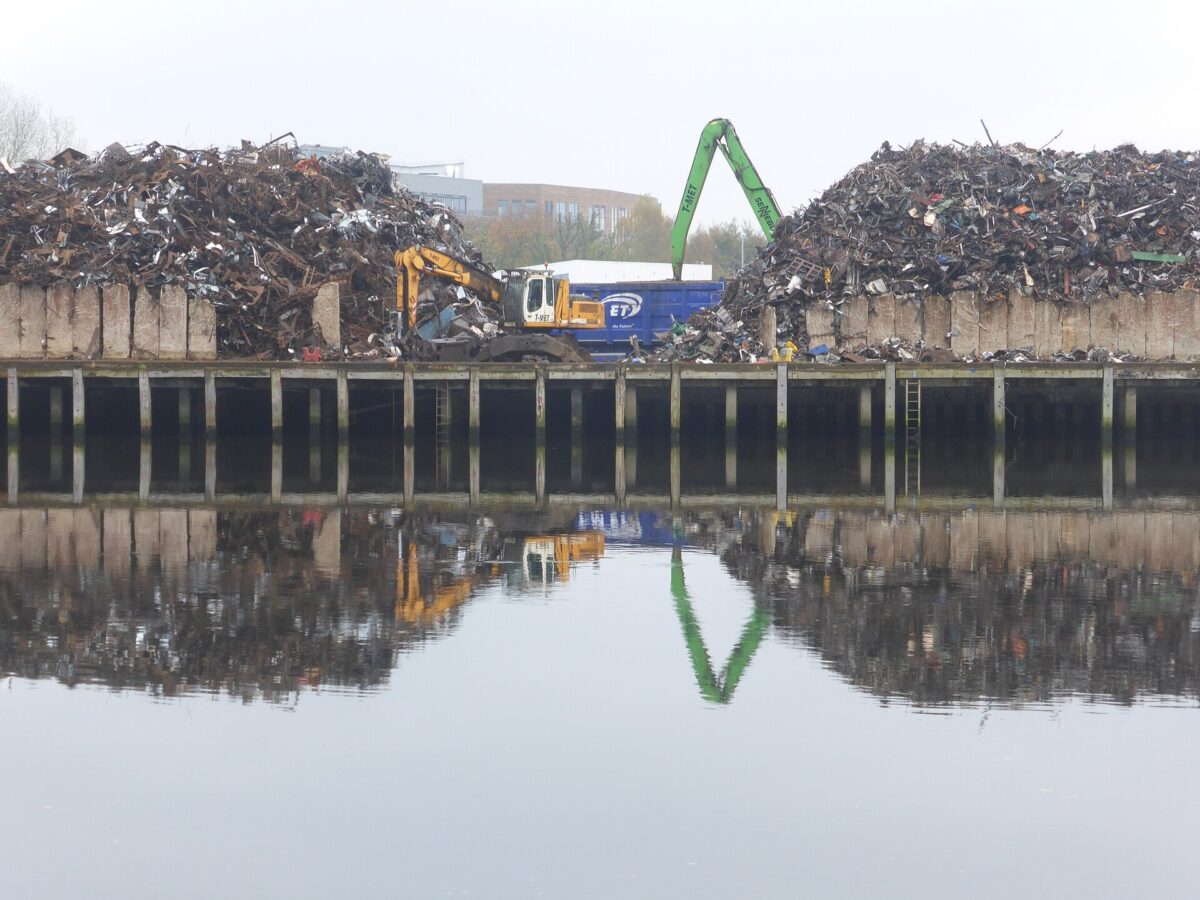
Ukraine must prioritize the domestic processing of metal scrap, with the lifting of export restrictions being possible only upon proof of a surplus. The International Chamber of Commerce emphasizes the importance of economic benefits for the state, rather than just for individual traders. This was reported by RBC-Ukraine (Юлія Бойко), according to the portal PromPolitInform.
Volodymyr Shchelkunov notes that resources obtained during the renewal of Ukrzaliznytsia assets are critical for the domestic metallurgical sector. Every ton of metal processed at Ukrainian facilities contributes to the retention of added value within the country.
Domestic processing supports related industries, sustains jobs, and generates tax revenues. Meanwhile, raw material exports require clear economic justification and control over the end beneficiaries of the profits.
Economic impact of exports
If the government decides to allow exports through auctions, the starting price should be set at a minimum of 80 euros per ton. This would generate approximately 16 million euros in state budget revenue with quotas set at 200,000 tons.
Failing to set such a price could result in lost potential state income. According to expert estimates, exporters’ profits in such a scenario could exceed 22 million euros, while the budget would be left without compensation.
Supply chain oversight
Monitoring intermediary operations, particularly those conducted through EU countries, requires special attention. The state needs to be aware of actual prices, logistics routes, and related parties to prevent the formation of grey-market schemes.
Currently, Ukraine maintains a zero quota on scrap exports, established by Cabinet of Ministers Resolution No. 1795 for the entire year 2026. Previous export attempts via neighboring countries led to significant budget losses, estimated at over 3 billion hryvnias.
Illustrative photo: Digitura / CC0
Read also: Copper prices rose 16% since early 2026 due to supply shortages