Transition to new image sensors has caused difficulties in Apple's supply chains
Apple is forced to change the release schedule for the new iPhone 18 series smartphones. The delay is caused by the need to streamline the supply of CMOS sensors from Samsung Electronics. This was reported by SemiconPortal citing Hattori Consulting International, according to the portal PromPolitInform.
Technological giant Apple planned to update its model lineup by integrating advanced components into new devices. However, the process of transitioning to image sensors (CIS) from the Samsung corporation encountered technical obstacles that complicate the timely release of products to the market.
Production challenges and logistics
Samsung management reported disagreements regarding the timeline for full component certification. According to the company’s CFO report, aligning technical standards for mass-supplying sensors requires additional time, preventing adherence to the previously approved production schedule.
Apple previously invested significant funds in its own program for developing American manufacturing, yet a substantial portion of technological support remains dependent on international partners. The issue with integrating 20-megapixel CIS sensors has become a critical bottleneck affecting the overall smartphone assembly cycle.
Impact on corporate strategy
Despite the delay, Apple emphasizes that the schedule change does not imply abandoning the chosen technical solution. Cooperation with Samsung within the framework of a technological partnership continues, but it requires adapting business practices and operational processes to new quality requirements imposed on components.
Analysts note that this level of third-party component integration into complex smartphone architectures inevitably leads to extended testing times. The company continues to optimize its supply chains to minimize further risks for future releases of the iPhone series.
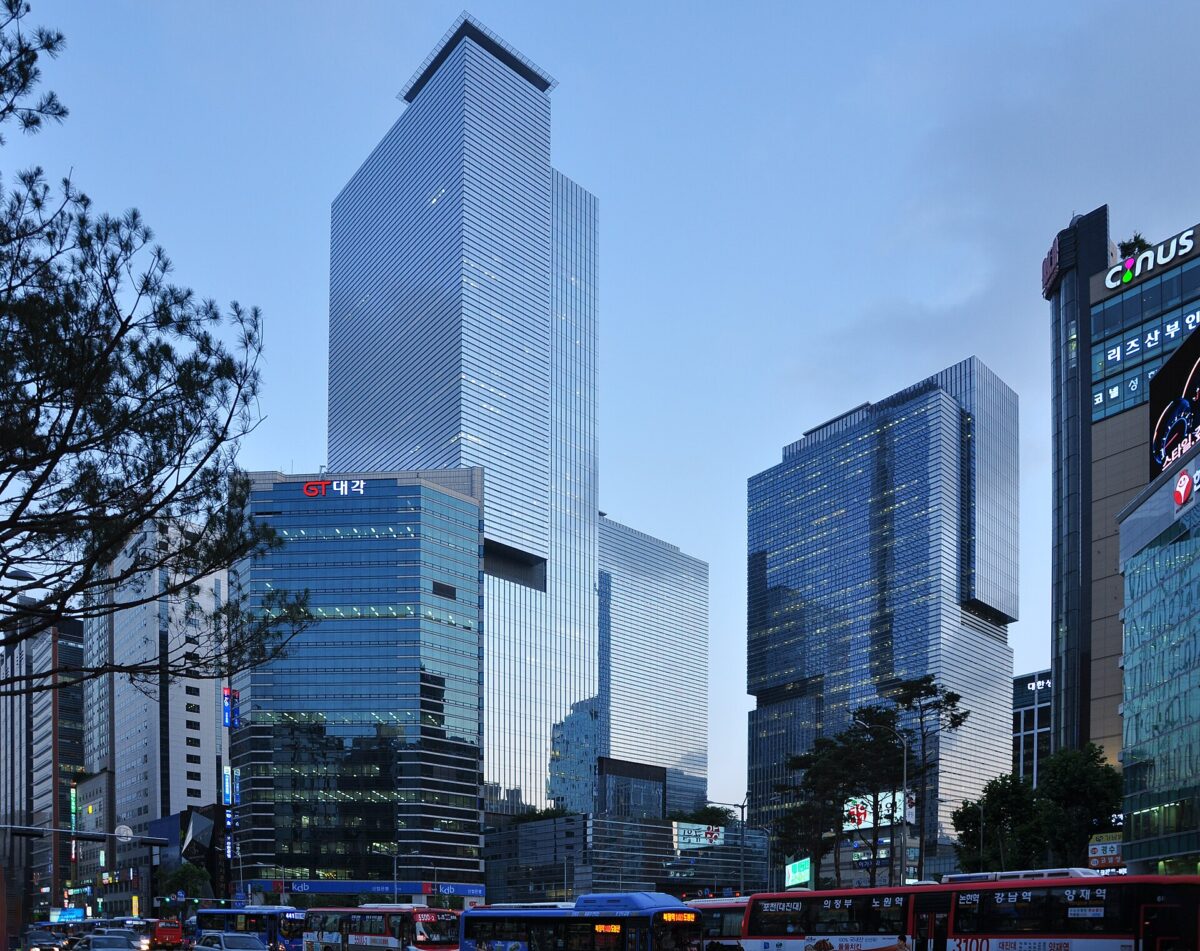
Illustrative photo: Oskar Alexanderson / CC BY-SA 2.0
Read also: Uklon Driverless project reaches the BEA World Festival final