The IEA report points to capacity deficits and the need to optimize energy imports
The International Energy Agency in its Ukraine's Energy Security 2026 report has assessed the state of the energy system and warned of high risks of electricity shortages during the 2026/2027 winter. Experts emphasize the importance of maintaining stable district heating and implementing energy-efficiency measures to balance the grid. This was reported by AW-Therm citing International Energy Agency, according to the portal PromPolitInform.
IEA analysts note that despite the expansion of distributed generation, a critical level of energy shortage remains likely due to intense attacks by the rf. The enemy is adapting its tactics, specifically by using fast drones with jet engines, which are harder for air defense systems to intercept. Beyond destroying generating capacities, such shelling negatively impacts the infrastructure for energy delivery and distribution.
Factors of energy vulnerability
Experts point to the limited capacity of existing distributed generation to operate in island mode. The majority of the installed equipment cannot autonomously provide energy to consumers in the event of a total loss of connection to the centralized grid. An additional problem is the reduced flexibility of the energy system due to summer attacks, which exhausted the industrial sector’s ability to reduce consumption during peak hours.
To stabilize the system, the IEA strongly advises removing regulatory barriers to electricity imports from European countries. In particular, the agency proposes revising electricity price caps so they do not discourage supply during periods of acute shortage. At the same time, the total cross-border interconnection capacity is limited to 2,450 MW, making imports a supplementary rather than a decisive factor.
District heating as an element of resilience
Ensuring the uninterrupted operation of heating networks is identified as a priority task to minimize the load on the power grid. More than 30% of Ukrainian households depend on district heating, and the suspension of these services automatically triggers mass use of electric heaters. This creates critical peak loads that can lead to rolling blackouts or emergency grid shedding.
As part of preparation for the season, experts recommend moving away from energy-intensive resistive heaters, such as convectors or oil radiators, in favor of heat pumps and biomass boilers. An important step is the installation of thermostatic valves and bypasses, which aligns with the provisions of Law of Ukraine No. 4937-IX on sustainable heat supply. Such measures allow for avoiding excessive heat consumption without significant capital investment.
Planning energy procurement
Given the long lead times for industrial equipment—ranging from six to nine months—the IEA urges starting procurement for the 2027/2028 heating season now. International partners are encouraged to focus on devices ready for rapid installation and operation. According to experts, the maximum effect in the current situation will come from integrating assets already in Ukraine and quickly connecting previously supplied generating units.
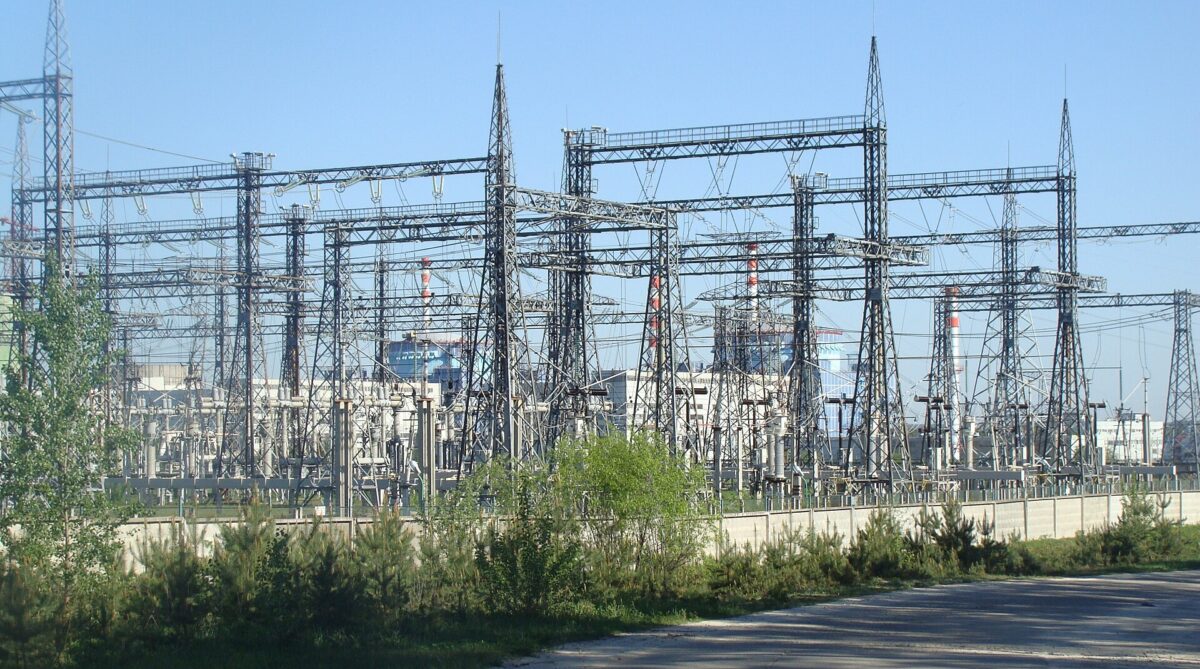
Illustrative photo: RLuts / CC BY-SA 3.0