The Kremlin uses ideological mythology to justify aggression and limit the sovereignty of neighboring states
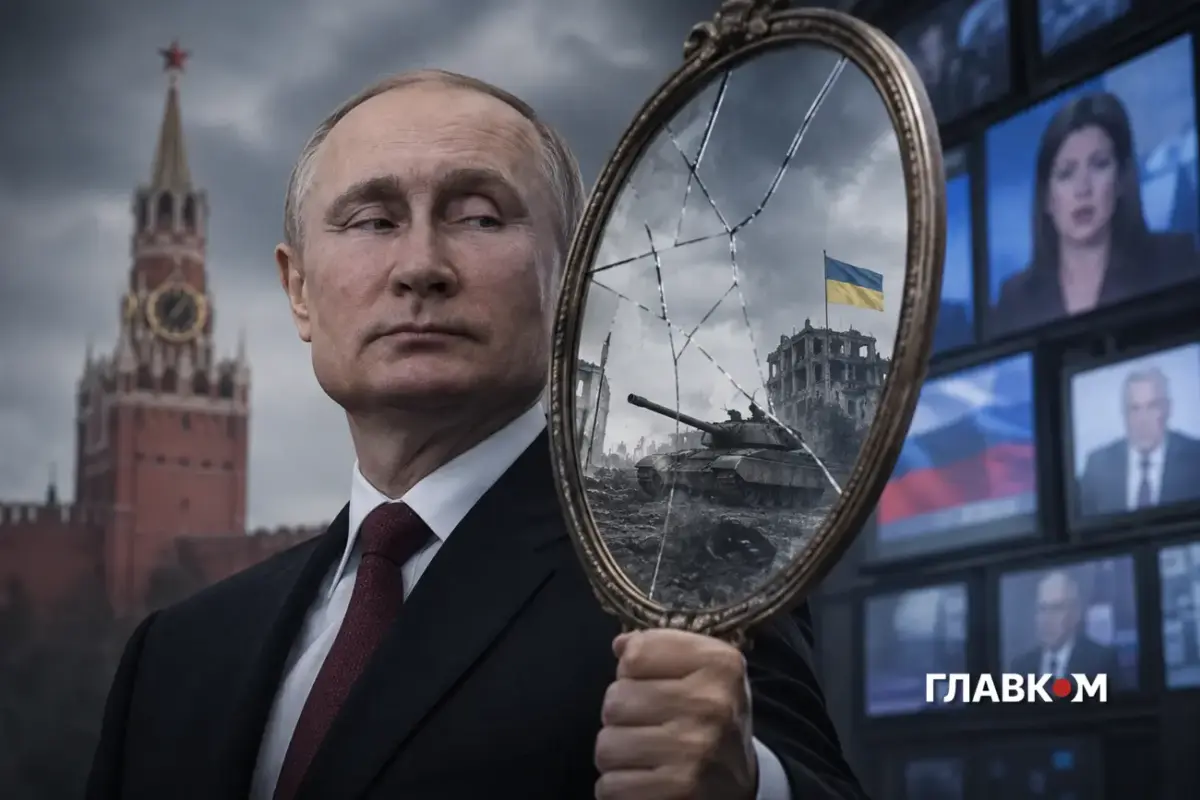
The political regime in the Russian Federation uses the mythologization of history and propaganda as key tools to legitimize its aggressive foreign policy. Instead of state sovereignty, the Kremlin tries to impose a concept of spheres of influence on the world. This was reported by Glavcom, according to the portal PromPolitInform.
The Russian political system has transformed state ideology into a mechanism that substitutes reality with interpretations beneficial to the Kremlin. This allows the authorities of the Russian Federation to justify armed aggression and systematic violations of international law by relying on manipulative methods of influencing society.
Tools of Information Transformation
To change the system of coordinates, Russian media personalities construct an alternative reality where the critical thinking of citizens is pushed out by aggressive imperial myths. Key methods include demonizing Western democracies, inventing external enemies, and denying the political agency of neighboring countries, particularly Ukraine. In this logic, history becomes an ideological resource used to justify territorial claims.
Denial of Neighbors’ Sovereignty
A special place in this model is occupied by the refusal to recognize the collapse of the USSR as the realization of the right of peoples to self-determination. The Kremlin conceptualizes the post-Soviet space as a zone of its own interests, where the independence of neighbors is only conditional. Ukraine is viewed as the primary ideological irritant, as successful democratic development and European integration destroy the myth about the necessity of Russian primacy in the region.
Sacralization of Aggression and Repression
To justify the full-scale invasion, the Russian authorities use a substitution of concepts, presenting their own aggression as a necessary defensive measure. The use of rhetoric about fighting Nazism has become a way to “sacralize” the war, freeing the regime from complying with any legal norms. In parallel, internal repressions and censorship ensure the suppression of any expressions of dissent within the country.
The Economic Price of Imperial Ambitions
In the economic dimension, the consequences of international isolation and sanctions are presented as an inevitable sacrifice for the sake of abstract “greatness.” The priority of the military-industrial complex over civilian needs leads to structural problems and technological degradation, yet the authorities continue to exploit the idea of an external threat to distract attention from socio-economic problems. Such a model is aimed at fostering the loyalty of citizens who are expected to perceive state interests as higher than their own freedoms and well-being.
Photo: glavcom.ua