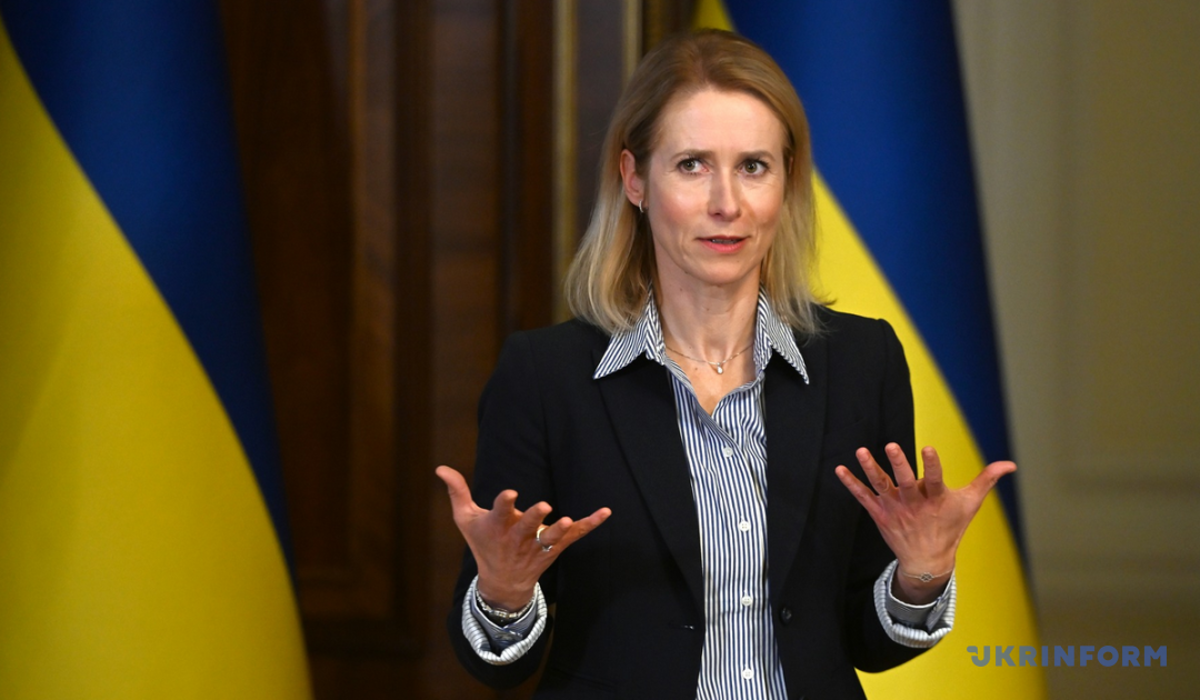
EU must use sanctions and frozen assets as leverage against Russia
The Russian Federation has put forward maximalist demands in peace negotiations, but the primary task for European countries is to secure a ceasefire in Ukraine. Only after achieving this can discussions move on to other issues. This was reported by Ukrinform, according to the portal PromPolitInform.
The statement was made by EU High Representative for Foreign Affairs and Security Policy Kaja Kallas while speaking to journalists ahead of the EU Foreign Affairs Council meeting in Brussels on November 16, 2026.
The diplomat stressed that the conditions set by Moscow are completely absurd, as none of the EU or NATO countries has ever attacked Russian territory. According to her, the Kremlin regime is following its usual pattern of making inflated demands, adding new ones, and later attempting to look more moderate by dropping a portion of them.
Europe’s leverage on the Kremlin
“Russia’s demands are truly absurd. After all, if you look at history, none of these countries has ever attacked Russia. Moscow operates according to its standard playbook: it puts forward demands and then adds new ones. If they later back down from some of them, they may seem more moderate, but we must clearly understand the essence of what is happening,” Kallas emphasized.
She urged Europe to take active measures using its available tools of pressure against the aggressor state, key among which are sanctions and frozen Russian assets.
Russia’s tactics and EU stance
The official drew attention to the fact that Russia deliberately targets civilian infrastructure and the population. The aim of these tactics is to force Ukraine into capitulation during the harsh winter period.
Kallas expressed conviction that the key priority for European partners must be achieving a ceasefire before any broader discussions begin. The list of maximalist demands from Europe is intended to counterbalance Russia’s maximalist demands.
Format of diplomatic meetings
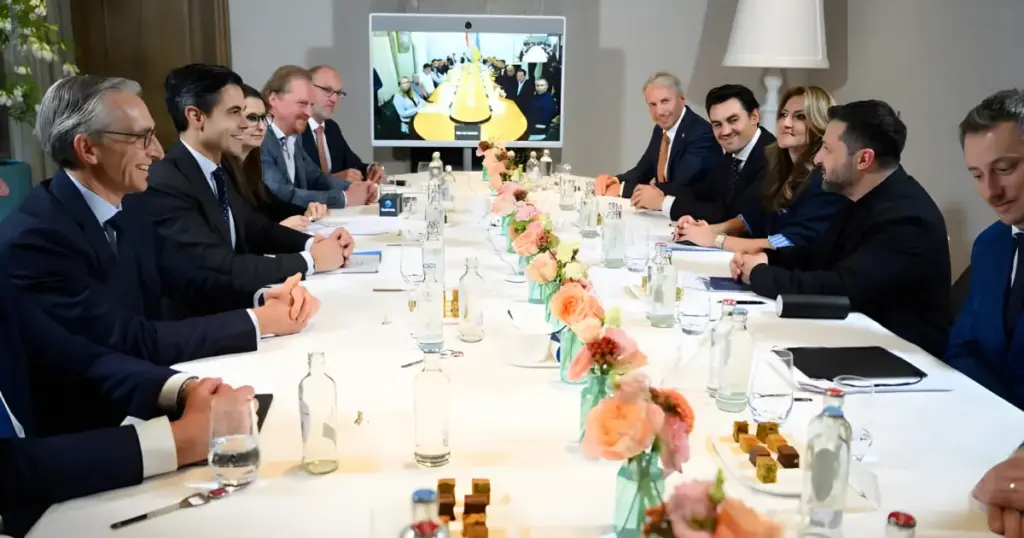
Minister of Foreign Affairs of Ukraine Andrii Sybiha is also attending the EU Foreign Affairs Council meeting in Brussels on November 16, 2026.
Last week, European leaders agreed on the composition of their negotiating team, which will include representatives of EU institutions as well as delegates from the ‘E5 group’ countries — the United Kingdom, France, Germany, Italy, and Poland.
Photo: Ukrinform
Read also: EU leaders determine composition of European team for peace talks