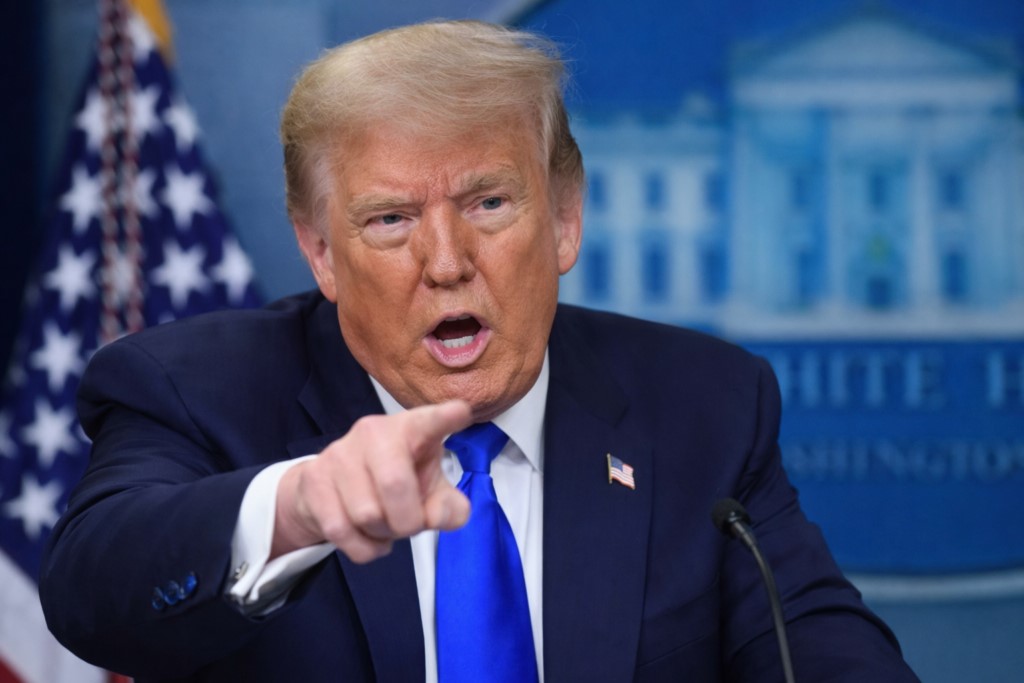
US President Donald Trump said that he was forever opening the Strait of Hormuz and China was allegedly very happy about this.
This is evidenced by Trump’s post on his own social network Truth Social, informs the portal PromPolitInform.
“China is very happy that I am opening the Strait of Hormuz forever. I do it for them too – and for the world,” Trump wrote.
According to the American president, China agreed not to supply weapons to Iran.
“President Xi Jinping will give me a big hug when I get there. We make a reasonable and very fruitful cooperation. Isn’t that better than fighting? But remember: if we have to, we fight very well, much better than anyone else,” he added.
Key causes of conflict
The root of the problem is the complete failure of diplomatic efforts. After weeks of fighting, the U.S. and Iran entered direct talks in Islamabad, Pakistan. These were the most important negotiations between the countries in recent decades, but they ended to no avail.
The main US requirements for Iran:
Fully open the Strait of Hormuz and do not charge a fee for the passage of ships.
Stop uranium enrichment, remove already enriched material and dismantle nuclear facilities.
Stop funding allied groups (Hamas, Hezbollah, Houthis).
Iran refused to comply with these requirements, which provoked the next step of the United States.
The essence of the blockade of the Strait of Hormuz and the current situation
April 12, 2026 USA. President Donald Trump announced the start of a naval blockade of the Strait of Hormuz. The blockade officially entered into force on April 13.
What does the blockade mean? US warships stop and search all vessels heading to or from Iranian ports. The goal is to stop all exports of Iranian oil in order to deprive the country of its main source of income.
What is the real situation? Despite the loud statements, the situation remains ambiguous.
On the one hand, the US claims “complete control.” Iran’s military warns any aggressive move would have “deadly consequences”
On the other hand, there are news reports that large tankers (including Iranian ones) continue to pass through the strait, ignoring the blockade. This indicates that a complete blockade has not been achieved.
Implications for the World
This conflict has serious global consequences:
Rising oil prices: Oil prices rose to over $100 per barrel. Before the war, they cost about $70.
Threat to the world economy: the Strait of Hormuz usually carries about 20% of all traded oil. Its blockade poses huge risks to the world economy and can lead to a global recession.
Photo – from open sources