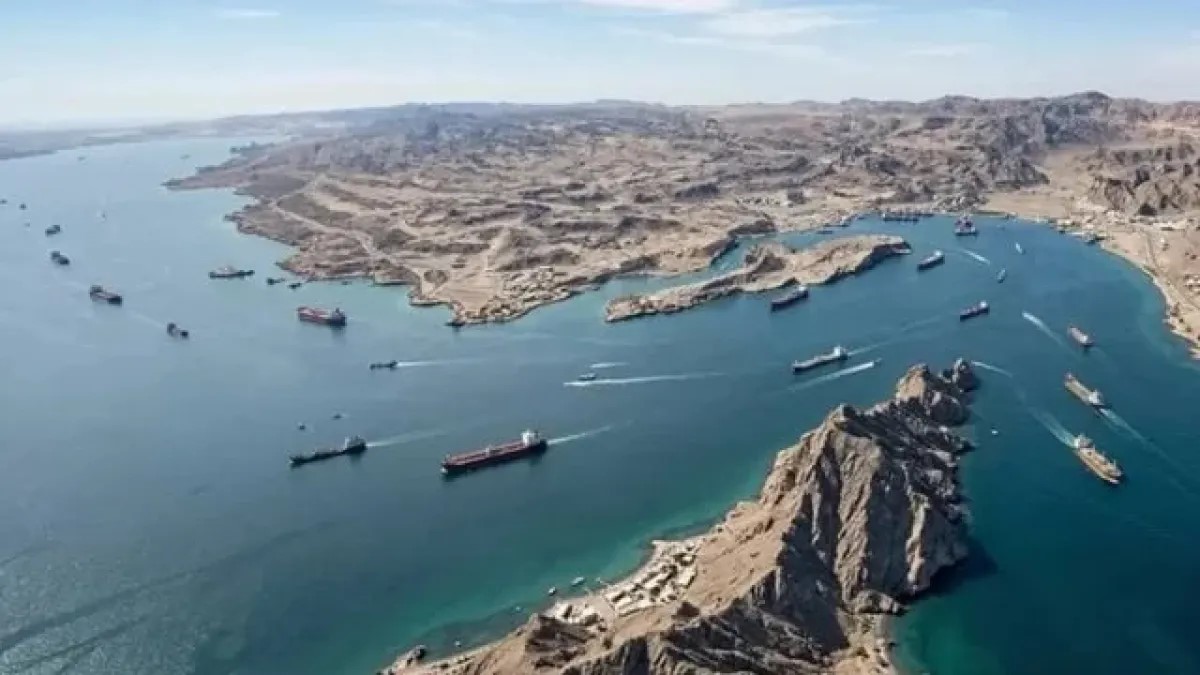
Iran opened the Strait of Hormuz for the duration of the ceasefire in Lebanon.
This was announced by the Foreign Minister of the Islamic Republic Seyyed Abbas Araqchi, informs the portal PromPolitInform.
“Taking into account the ceasefire in Lebanon, the passage of all commercial vessels through the Strait of Hormuz is declared completely open for the remainder of the ceasefire period along the agreed route, as has already been announced by the Organization of Ports and Navigation of the Islamic Republic of Iran,” he said.
Key causes of conflict
The root of the problem is the complete failure of diplomatic efforts. After weeks of fighting, the United States and Iran entered direct talks in Islamabad, Pakistan. These were the most important negotiations between the countries in recent decades, but they ended to no avail.
The main US requirements for Iran:
Fully open the Strait of Hormuz and do not charge a fee for the passage of ships.
Stop uranium enrichment, remove already enriched material and dismantle nuclear facilities.
Stop funding allied groups (Hamas, Hezbollah, Houthis).
Iran refused to comply with these requirements, which provoked the next step on the part of the United States.
The essence of the blockade and the current situation
On April 12, 2026, US President Donald Trump announced the start of a naval blockade of the Strait of Hormuz. Officially, the blockade entered into force on April 13.
What does the blockade mean? US warships stop and inspect all vessels heading to or from Iranian ports. The goal is to completely stop the export of Iranian oil in order to deprive the country of its main source of income.
What is the real situation? Despite the loud statements, the situation remains ambiguous.
On the one hand, the United States claims “complete control.” The Iranian military warned that any aggressive move would have “deadly consequences.”
On the other hand, there are news reports that large tankers (including Iranian ones) continue to pass through the strait, ignoring the blockade. This shows that a complete blockade could not be achieved.
Implications for the World
This conflict has serious global consequences:
Rising oil prices: Oil prices soared past $100 a barrel. Before the war, they cost about $70.
Threat to the world economy: About 20% of all oil traded in the world usually passes through the Strait of Hormuz. Its blockade poses enormous risks to the global economy and could lead to a global recession.
Humanitarian risks: Disruptions in energy supplies and rising prices will inevitably affect the cost of products, goods and lives of people around the world.
Thus, the conflict in the Strait of Hormuz is not just a local skirmish, but a full-scale “war of attrition” for control over the key energy arteries of the planet, which is now in an extremely tense but unstable phase.
Photo – from open sources