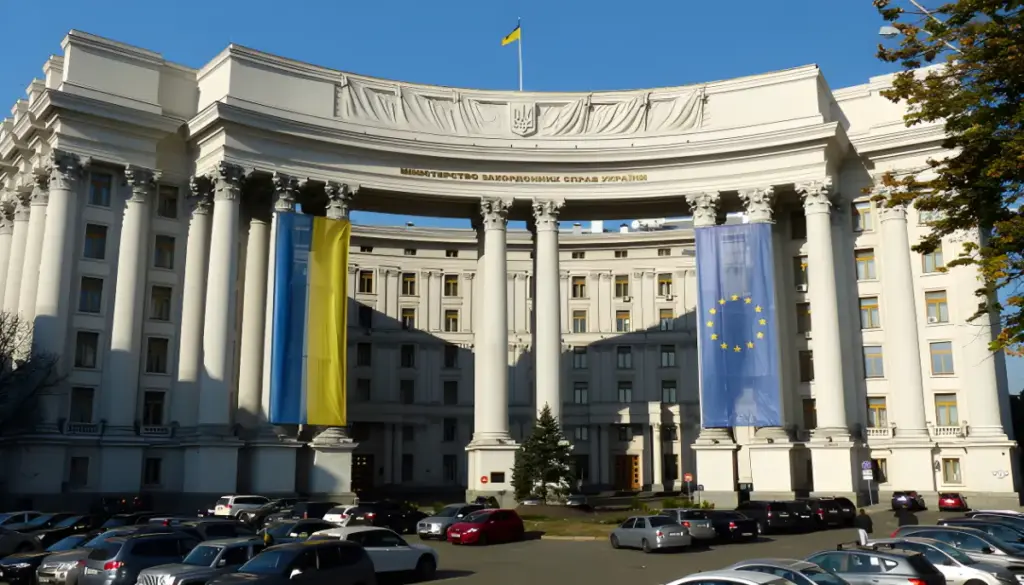
The European Union is considering the possibility of tightening the conditions for financing Ukraine within the framework of a large-scale two-year assistance package. According to sources, the receipt of part of the funds will depend on the introduction of unpopular changes in the tax system, in particular the abolition of preferential rates for business, which may increase internal political tension in Kyiv.
This was reported by Bloomberg, informs the portal PromPolitInform.
The stumbling block was the preferential tax regime, which allows part of the companies to pay only 5% of the proceeds. Although initially this system was created to support small businesses and individual entrepreneurs, now it is called one of the main factors hindering the filling of the military budget.
The essence of the tax ultimatum
The Ministry of Finance of Ukraine and major international donors argue that the current simplified system distorts competition and contributes to the expansion of the shadow economy. In this regard, a proposal is being discussed that will oblige the Ukrainian authorities to introduce a 20 percent value added tax (VAT) for those enterprises whose annual income exceeds UAH 4 million.
The new condition may affect part of the total package of 90 billion euros. This packet is distributed as follows:
about 60 billion euros is directed to support defense (these funds do not fall under the new conditions);
the remaining funds are macro-financial assistance and payments under the Ukraine Facility program, intended to cover general budget expenditures.
Synchronization with IMF and EU requirements
The European Commission confirmed that active work is underway on a memorandum of understanding that will fix all the conditions for financing. The representative of the European Commission noted that the reform program for Ukraine is traditionally coordinated with the International Monetary Fund (IMF).
The main purpose of the negotiations is to strengthen the Ukrainian economy and accelerate its integration into the European Union. At the same time, experts emphasize that even if Kyiv manages to postpone these changes now, in the process of joining the EU, Ukraine will still have to adapt tax legislation to European standards, which inevitably involves the abolition of a number of benefits.
Internal risks
The introduction of such measures is considered an extremely unpopular step in society, which can provoke social discontent. In addition, the implementation of the reform is complicated by the long confrontation between the Parliament and the Office of President Volodymyr Zelenskyy.
Bloomberg notes that while discussions are ongoing, international donors may consider alternative methods to increase budget revenues or strengthen the fight against the shadow economy. However, the issue of reforming the tax system remains one of the key issues on the agenda of financial support for Ukraine.
Photo – from open sources