Russian citizens have increased the volume of transfers to foreign brokers and have started buying up foreign cash currency more actively. According to intelligence estimates, such behavior is linked to fear of martial law, new mobilization, and tougher sanctions.
This was reported by RBC-Ukraine (Марія Науменко) citing Sluzhba Zovnishnoi Rozvidky Ukrainy, according to the portal PromPolitInform.
Between December 2024 and June 2026, Russian households transferred approximately 600 billion rubles to non-resident brokers. This figure significantly exceeds the volume of similar operations for the previous seven years combined.
The surge in capital outflow occurred during the spring months of the current year, when monthly transfers reached 42–45 billion rubles. About 40% of these funds represent actual asset withdrawal, with a significant portion used as an alternative to bank accounts, while a quarter is intended for preparations to move abroad.
Rising demand for cash currency
In parallel with operations through brokers, Russians are intensively buying up cash currency. During April–June 2026 alone, they purchased almost 159 billion rubles worth of currency, the highest figure since the start of the full-scale invasion.
Panic sentiments led to cash outflows from the banking system, where customers withdrew about 620 billion rubles in July alone. In total, about 2 trillion rubles were withdrawn from accounts in the first seven months of 2026.
Reasons for financial instability
The Foreign Intelligence Service of Ukraine notes that this behavior is triggered by the inclusion of the rf in lists of countries with high financial risks and the stricter policies of Western banks. Russian citizens also expect a tightening of the domestic regime following the State Duma elections, particularly due to the potential introduction of martial law.
The potential adoption of new US sanctions could block supply channels for cash dollars and euros via third countries. In such an event, the Central Bank of the rf would be forced to restrict currency sales, which would trigger a deficit in the domestic market.
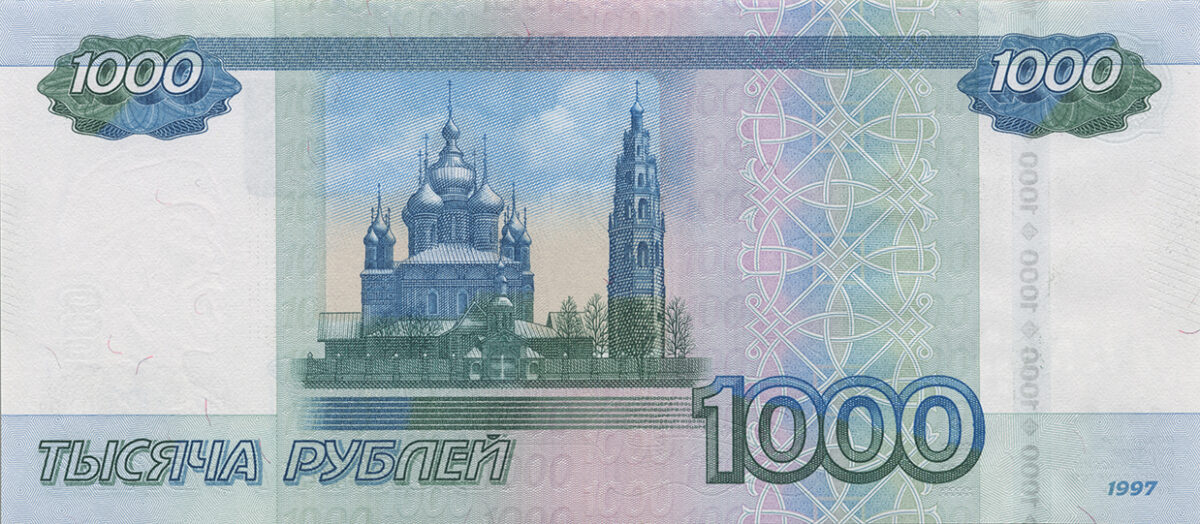
Illustrative photo: Центральный банк Российской Федерации (Банк России, ЦБ РФ) / Public domain
Read also: The Ukrainian Navy has struck a Russian ‘Bastion’ coastal missile system in Crimea