Russian authorities provide refuge to deposed foreign leaders but impose strict limitations on them. Political exiles are under constant surveillance and are prohibited from engaging in public activity. This was reported by The i Paper, according to the portal PromPolitInform.
Former heads of state who have received refuge in the rf are forced to live in conditions of total information isolation. Specifically, Bashar al-Assad is banned from making any public statements, as the Kremlin is conducting negotiations with Syria’s current government regarding military bases.
Security and restrictions on political activity
According to Russia’s ambassador to Iraq, Elbrus Kutrashev, foreign fugitives are allowed to reside in the country only on the condition that they abstain from media or political activity. Moscow views the granting of asylum as an element of its international relations strategy to demonstrate support for allies.
Beyond security measures, fugitives are subject to close surveillance due to the risk of assassination attempts. Ukrainian security services have demonstrated the ability to reach fugitives even near Moscow, as was the case with former Member of Parliament Illya Kyva.
Using fugitives for political interests
Former Ukrainian president Viktor Yanukovych, who resided for a long time in the elite Rublyovka district, is periodically used by the rf to spread anti-Western narratives. According to analysts, Moscow may extract intelligence or data on corrupt schemes from these exiles.
For the rf, maintaining such individuals is costly but justified in terms of propaganda and intelligence goals. Many fugitives, including representatives of Ukraine’s former government, are forced to share information in exchange for safety and housing.
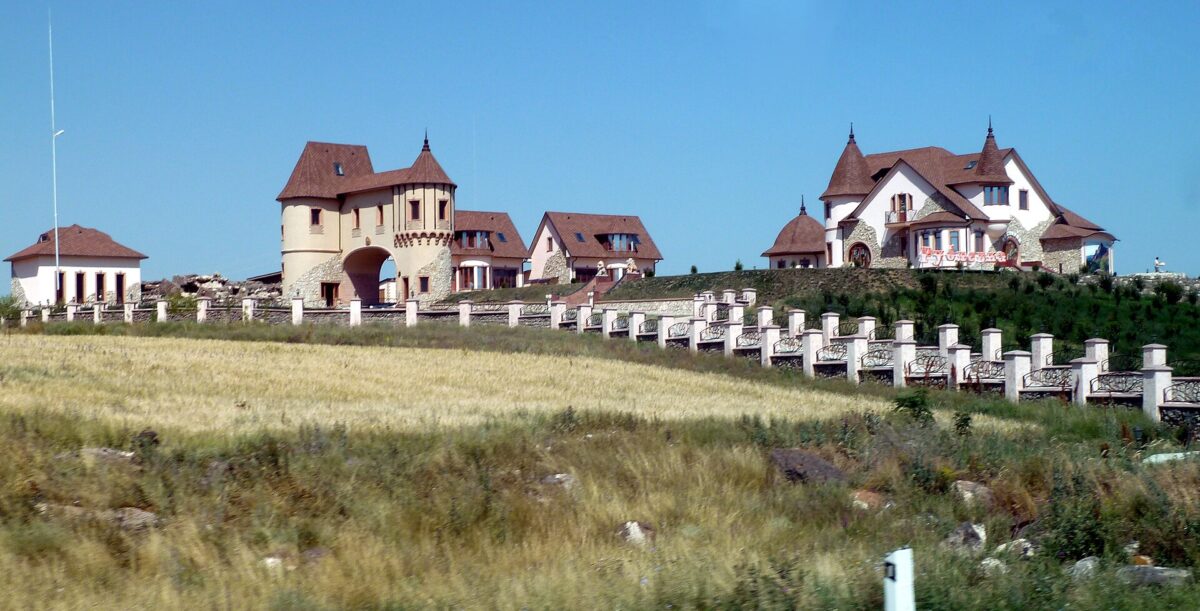
Illustrative photo: FHen / CC BY-SA 3.0