Seven key figures in Russian politics are being considered as likely heirs to power
The current power system in the RF is designed to prevent the emergence of an open successor to Putin. Despite this, experts identify seven potential contenders for the highest office who hold influence within various power clans. This was reported by Glavcom citing The Washington Post, according to the portal PromPolitInform.
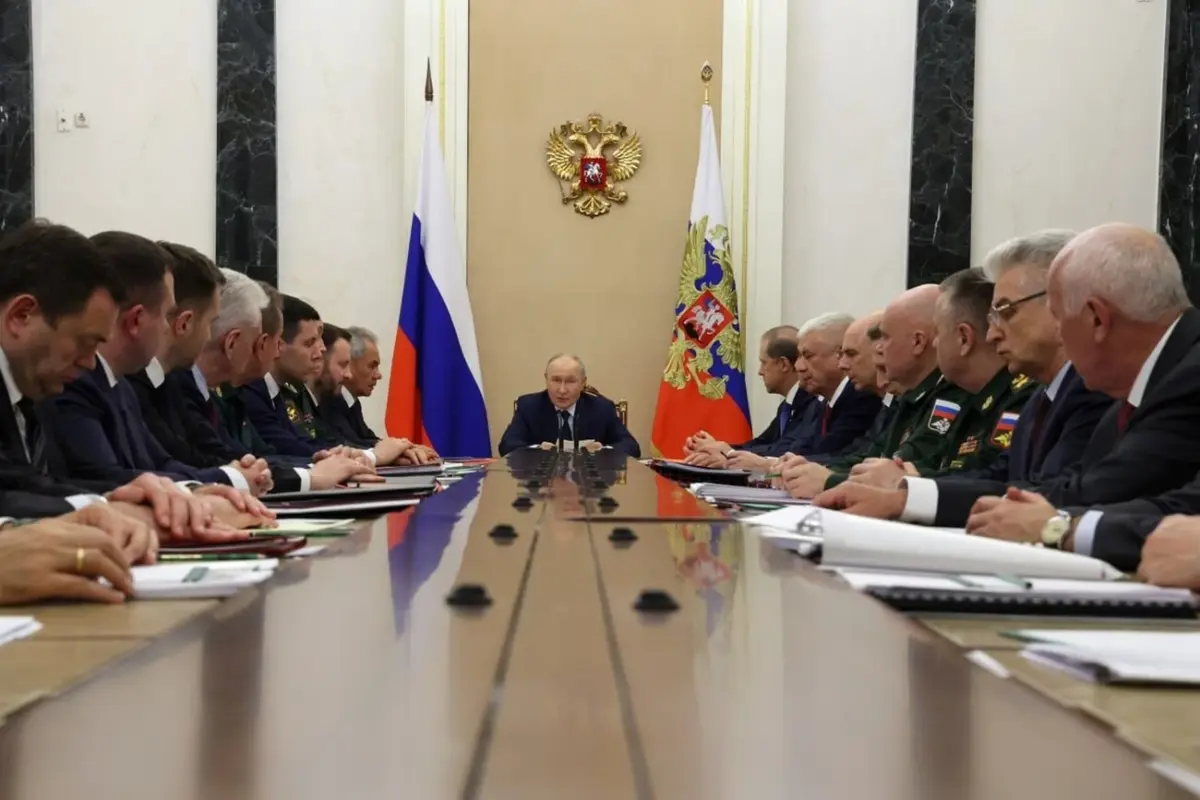
The vertical of power built by Putin assumes that key decisions are made exclusively by him, preventing his entourage from accumulating significant political capital. As a result, there is no figure in the country who could be considered an official successor. State governance is carried out through the interaction of competing influence groups, consisting of military circles, business elites, and representatives of the security services.
Potential contenders for power
The list of the most likely successors includes Mikhail Mishustin, who, according to the RF Constitution, must assume presidential powers in the event of such a necessity. Although he was appointed as a technocrat, he later gained control over the Military Procurement Council, yet remains somewhat distant from the security bloc.
Another candidate is Alexey Dyumin, Secretary of the State Council and a former Putin bodyguard. His career includes work in the GRU and as Governor of the Tula Region, while his current role in overseeing the defense industry effectively makes him a shadow minister in this sector.
The influence of ‘siloviki’ and ‘princes’
The category of ascending ‘princes’ includes Deputy Prime Minister Dmitry Patrushev, son of Security Council Secretary Nikolai Patrushev. His advancement is seen as an attempt to consolidate the influence of the old guard of the security services in the higher echelons of power.
The Chairman of the Accounts Chamber, Boris Kovalchuk, son of influential oligarch Yuri Kovalchuk, holds a similar status. Although his family owns significant media and financial assets, his appointment to his current position is perceived by many as less significant compared to the energy sector that his supporters had hoped for.
Among other contenders, analysts mention Denis Manturov, who oversees the military-industrial complex, and Moscow Mayor Sergei Sobyanin. The candidacy of Sergei Kiriyenko, who is currently responsible for the Kremlin’s domestic policy block and the development of new personnel for the civil service through a system of loyal proteges, is also being considered.
Photo: Glavcom
Read also: Vladimir Putin again accuses Ukraine of usurping power and denies aggression against Europe