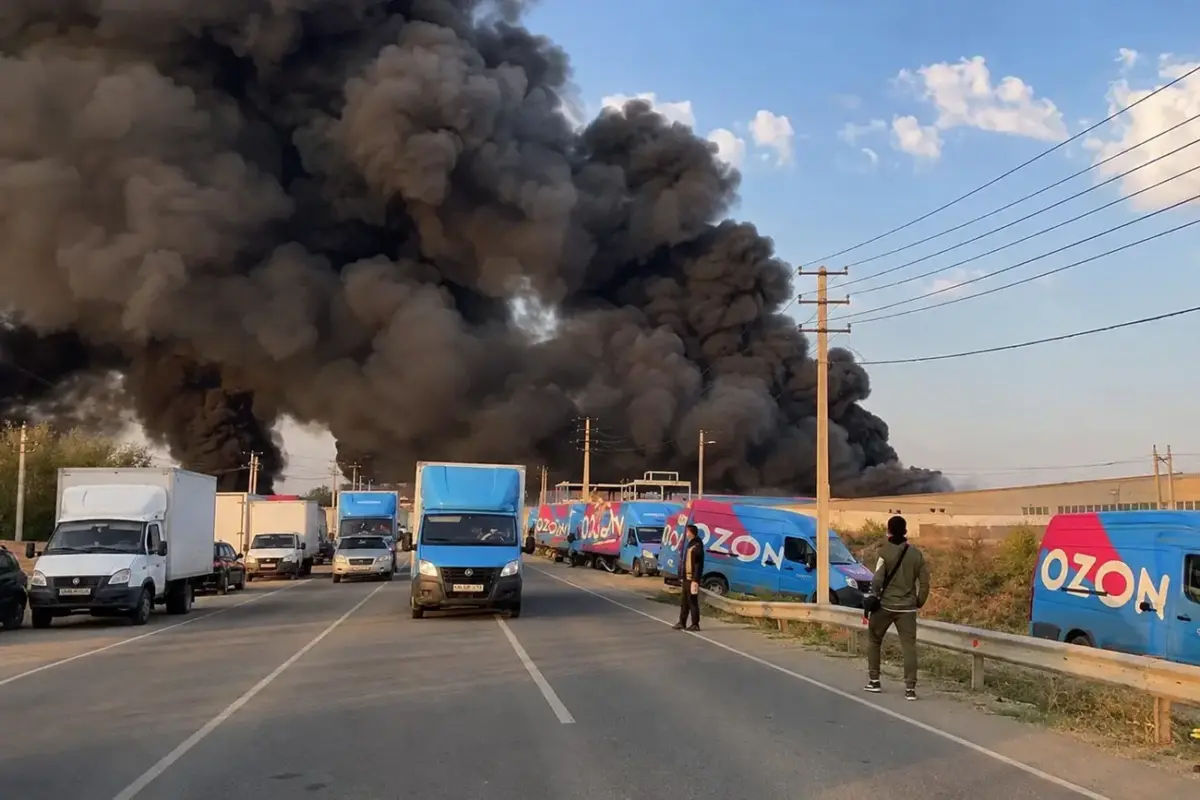
Companies are renting air defense systems and hiring security guards to protect industrial sites
Private companies in Russia are increasingly forced to organize their own protection against Ukrainian drone strikes at their own expense. To ensure the safety of facilities, businesses are leasing air defense systems and hiring specifically trained personnel. This was reported by Glavcom citing The Wall Street Journal, according to the portal PromPolitInform.
In response to regular strikes on targets deep within the aggressor country, Russian enterprises have begun investing in their own security independently. In particular, the metallurgical corporation Severstal, under the leadership of Alexei Mordashov, installed air defense systems near its main plant outside Moscow following a drone strike.
Leasing air defense and hiring specialists
Due to the vast scale of Russian territory, state-owned air defense assets are unable to fully cover all critical production and logistics hubs. Consequently, the Kremlin has effectively offloaded part of this responsibility onto private business owners.
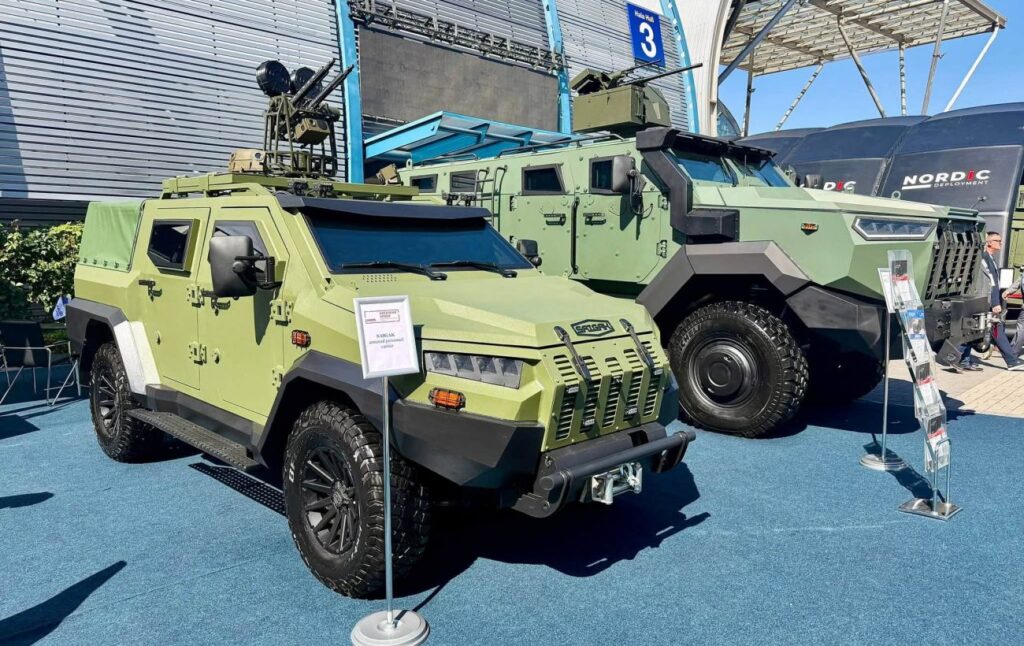
To neutralize aerial threats, companies are leasing air defense complexes from the Russian Ministry of Defence, paying for the services of military instructors, and engaging specialized engineers from defense firms. On online platforms like Avito, there has been a surge in job postings for guards skilled in patrolling and destroying UAVs, with monthly salaries potentially exceeding 240,000 rubles.
State control as a pressure tactic
Beyond real-world threats, Russian authorities have introduced additional legal mechanisms. Under an August decree by Vladimir Putin, the state has the authority to impose temporary management on critical infrastructure facilities if owners fail to properly protect their assets or timely repair damage from attacks.
According to Rochan Consulting, Ukrainian drones have launched approximately 200 strikes against Russian oil refining capacity since the beginning of March. At least 36 attacks have targeted logistics hubs of major retailers, including Ozon and Wildberries warehouses, significantly impacting the operational activities of these companies.
Market experts forecast rapid growth in the demand for anti-drone technologies, which could reach 200 billion rubles in 2026. For businesses, protection against drones has become a critical issue for maintaining the continuity of production cycles.
Photo: Glavcom
Read also: Centravis Co-owner Yuriy Atanasov Receives STS Executive of the Year Award