Two billion people worldwide remain offline due to the persistent digital divide
In 2026, the number of internet users worldwide reached 6.3 billion, accounting for 76% of the global population. Despite progress, two billion people still lack access to the global network. This was reported by International Telecommunication Union, according to the portal PromPolitInform.
According to the Facts and Figures 2026 report, the level of internet connectivity is steadily increasing, exceeding the previous year’s estimate of 6.1 billion users. Experts emphasize that being offline in the era of artificial intelligence significantly limits people’s opportunities in education and employment.
The divide between countries
The data reveal significant inequality in digital access depending on the income level of nations. In high-income countries, internet penetration reaches 93%, whereas in low-income countries, this figure is only 32%.
Digital barriers
Despite the narrowing of the overall gap, disparities persist across age, gender, and regional lines. Specifically, 82% of urban residents use the internet, compared to 63% in rural areas. Inequality in the deployment of advanced technologies is also evident: 5G networks reach 86% of the population in high-income countries, compared to just 4% in the least developed ones.
Connectivity costs
The average monthly mobile data traffic per subscription in high-income countries reaches 20 GB, which is six times higher than in poorer states. Although the global median price for services is falling, in the least developed countries, the cost of mobile broadband remains high at over 6% of the gross national income per capita.
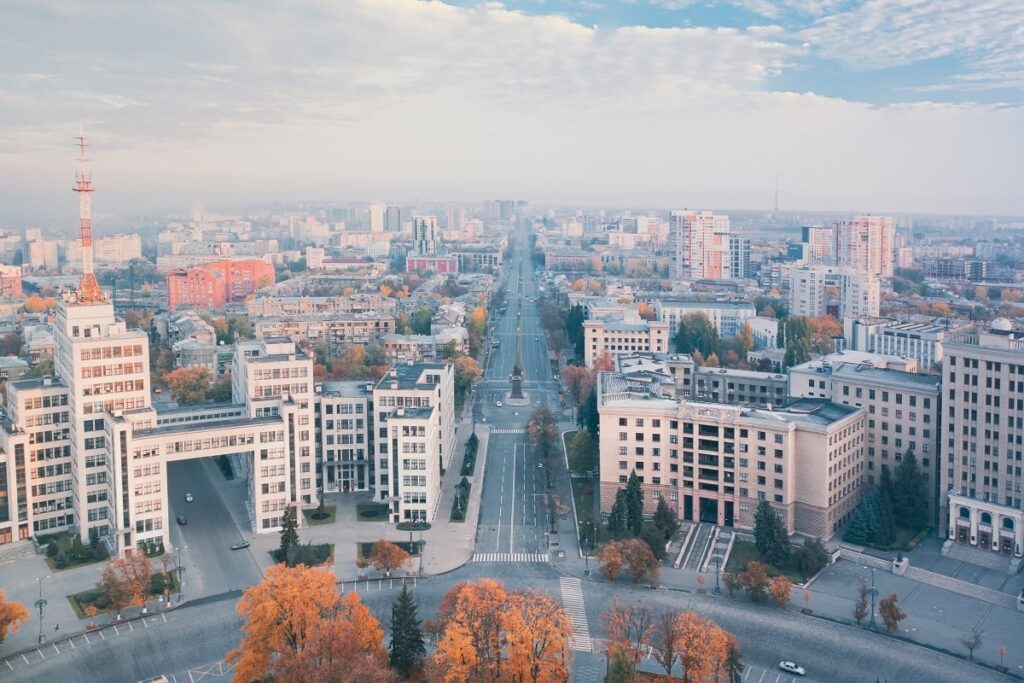
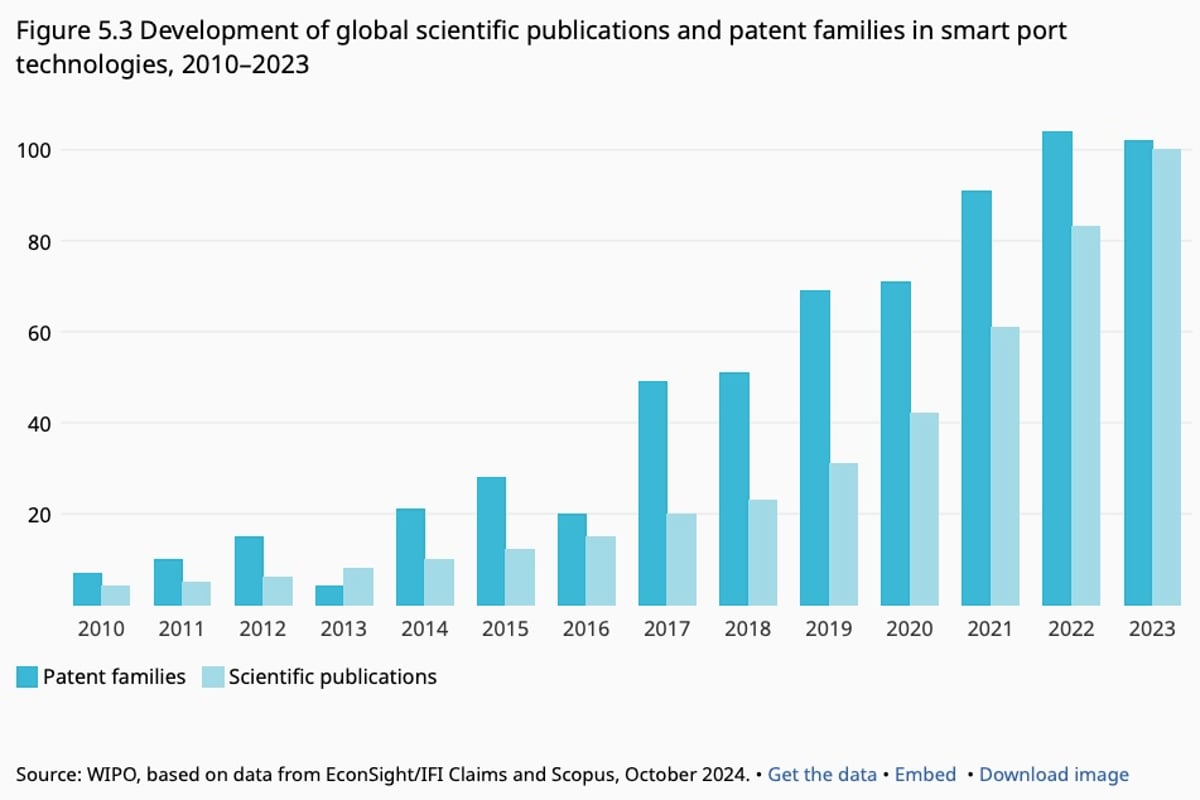
Illustrative photo: WIPO, uploaded by Anthere / CC BY 4.0
Read also: Zhytomyr to Open Invincibility Points Following Mass Power Outage After Russian Strike