Russian companies face computing shortage following attacks on local facilities
Russian businesses have significantly increased demand for reserving capacity in foreign data centres following October drone strikes on facilities across the country. Several companies have already begun migrating workloads to build backup infrastructure, particularly in Kazakhstan. This was reported by The Moscow Times citing Kommersant, according to the portal PromPolitInform.
Market experts note that incidents at domestic data centres are no longer a purely theoretical risk for local enterprises. As a result, companies are revising their business continuity strategies and seeking secondary sites independent of the power and network infrastructure of their primary facilities.
In October, Ukrainian drone strikes targeted data centres used by Yandex, VK, Sberbank, and the Federal Tax Service of Russia. Facilities were hit across six Russian regions, including Vladimir, Kaluga, Leningrad, Nizhny Novgorod, Ryazan, and Saratov oblasts.
Computing Capacity Shortage in Russia
The strikes have exacerbated a shortage of server capacity inside Russia. In Moscow, only about 50 MW of capacity remains available, which is sufficient for just two to four large commercial data centres. Meanwhile, domestic cloud resources are currently nearly 90% full.
Given the shortage of local space, Russian government bodies have started exploring plans to build AI computing infrastructure in Belarus and Kazakhstan.
Details of Digital Infrastructure Redundancy
Industry analysts stress that the focus is currently on geographic redundancy rather than a complete relocation of primary digital infrastructure outside Russia. Cloud providers are actively negotiating options with clients to set up backup facilities in neighboring countries.
For most Russian firms, the migration is limited to storing offsite data backups. However, for critical digital services, companies are creating fully operational backup infrastructure that runs continuously on external platforms.
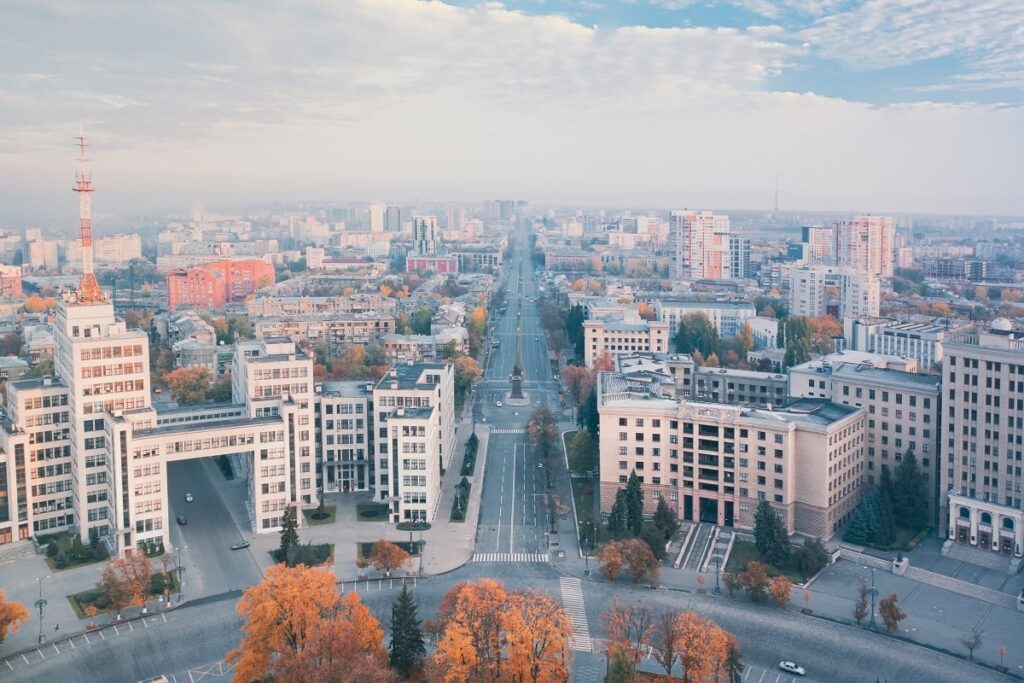
Illustrative photo: BalticServers.com / CC BY-SA 3.0
Read also: Strikes on data centers exposed systemic vulnerability of russia digital economy