Delays in Western aid limited the army's offensive capabilities in 2022
Following the liberation of Kherson in November 2022, Ukraine's Defence Forces could not continue their offensive on Crimea due to a shortage of weapons and delayed supplies from Western partners. This was stated by Ukraine's Ambassador to the United Kingdom Valerii Zaluzhnyi in his article. This was reported by Glavcom, according to the portal PromPolitInform.
Preparation for the Kherson offensive operation began back in July 2022, when the Ukrainian command needed to drive elite Russian units out of the right bank of the Dnipro River. To achieve this, the military lacked additional forces, as well as equipment, weapons, and ammunition that were being delayed by international partners.
Obstacles in the south
Among the main obstacles to the advance of Ukrainian troops was the open terrain of the Ukrainian steppe, which ruled out the deployment of large armored groups due to the lack of natural camouflage. Movement was also hindered by the Inhulets River and an extensive network of irrigation canals against the backdrop of constant replenishment of Russian forces with personnel and equipment.
In September 2022, the pace of the Ukrainian offensive in the south lagged behind the operation in the Kharkiv region, causing tension in relations with both the highest military-political leadership and international partners. In October, the General Staff changed its tactics, focusing on blocking Russian forces, missile and artillery strikes, and pinpoint attacks supported by armored vehicles.
Role of Western weapons
American HIMARS and M270 multiple launch rocket systems played a significant role in destroying Russian ammunition depots, logistics hubs, and command posts. At the same time, the timely arrival of a larger number of high-precision systems, artillery, and armored vehicles could have created more favorable conditions for further operations in late 2022 and early 2023.
Valerii Zaluzhnyi noted that in his article he does not claim there was an approved plan to attack Crimea directly after the liberation of Kherson. The author merely explained the limited opportunities for further advancement in the south and how heavily such operations depended on military assistance.
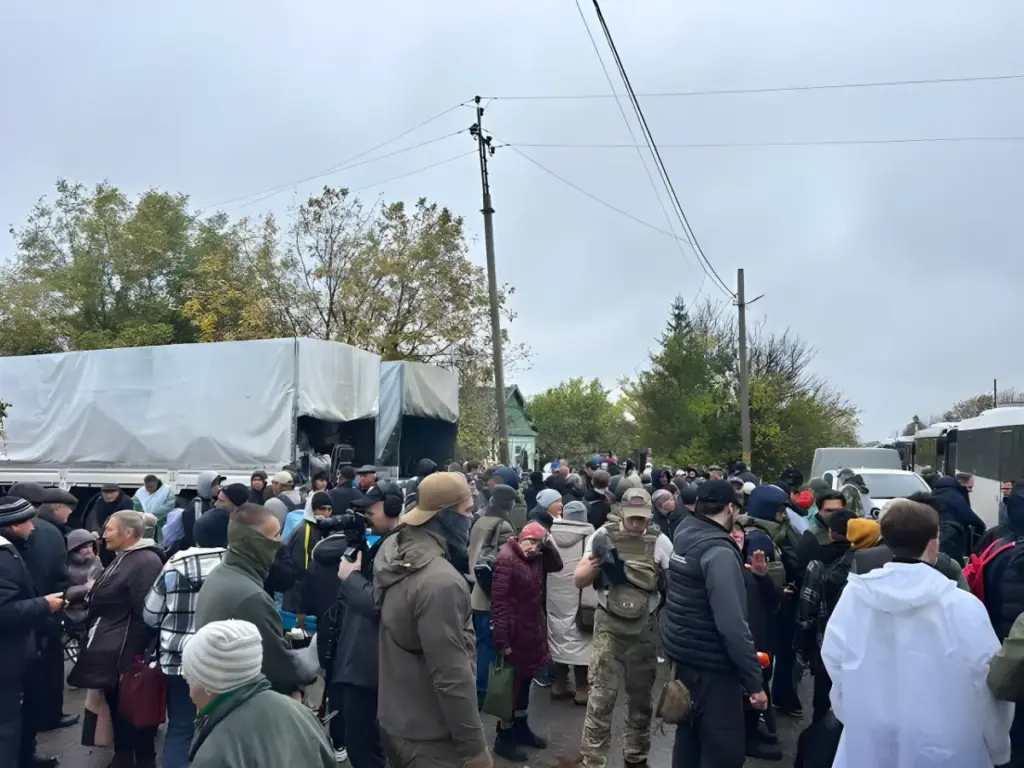
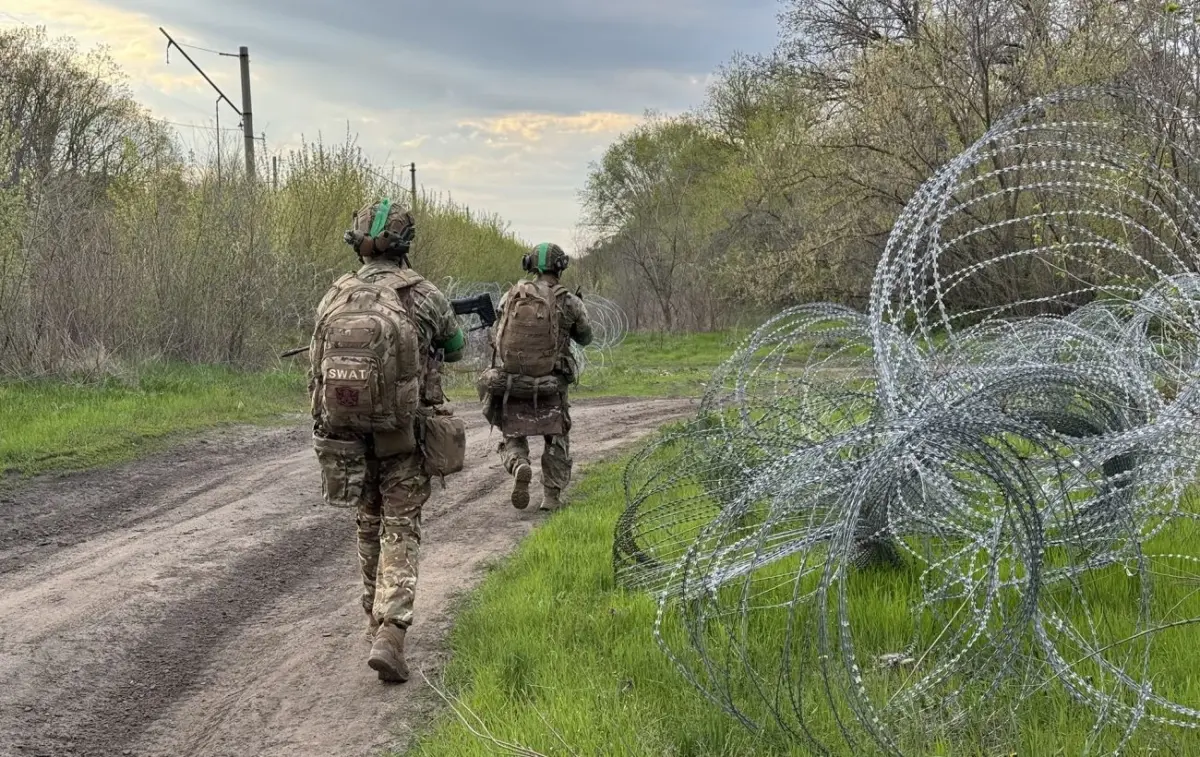
Illustrative photo: ArmyInform / CC BY 4.0
Read also: Ukraine abandons microchip plant construction, shifts focus to key development areas