Reduced liquidity in key asset pairs is curbing capital inflows into the crypto sector
The global stablecoin supply has decreased by 14.2 billion US dollars due to capital outflows from USDT and USDC assets. This reduction in liquidity could negatively impact the recovery dynamics of the Bitcoin market. This was reported by The Block, according to the portal PromPolitInform.
The total volume of stablecoins in circulation has shown a marked decline. Analysts attribute this trend to a massive exodus of investors from key financial instruments that ensure the stability of the crypto market.
A significant reduction in the supply of USDT and USDC creates a liquidity deficit necessary to maintain trading activity. Since a large share of transactions on cryptocurrency exchanges is conducted using these assets, their outflow directly affects the purchasing power of market participants.
Factors influencing market dynamics
Experts note that the contraction of the money supply in the stablecoin segment exerts additional pressure on major digital assets. The current situation complicates the recovery of the Bitcoin price, as the market lacks the influx of fresh capital needed to consolidate at higher price levels.
USDT and USDC volumes traditionally serve as an indicator of investor sentiment and the overall level of trust in crypto assets. A decrease in their quantity indicates a shift of capital into fiat currencies or an exit from risky strategies, which limits the potential for a rapid upward movement in the quotes of major cryptocurrencies.
Consequences for the crypto industry
The future of market recovery will depend on whether the pace of issuance and usage of these assets resumes. As long as volumes remain at low levels, Bitcoin volatility may persist due to the inability to fully provide liquidity to exchange order books.
Industry participants are closely monitoring stablecoin capitalization metrics as a primary barometer of crypto-economy health. Any further withdrawal of funds could be interpreted as a signal for the continuation of a corrective movement across the broader digital asset market.
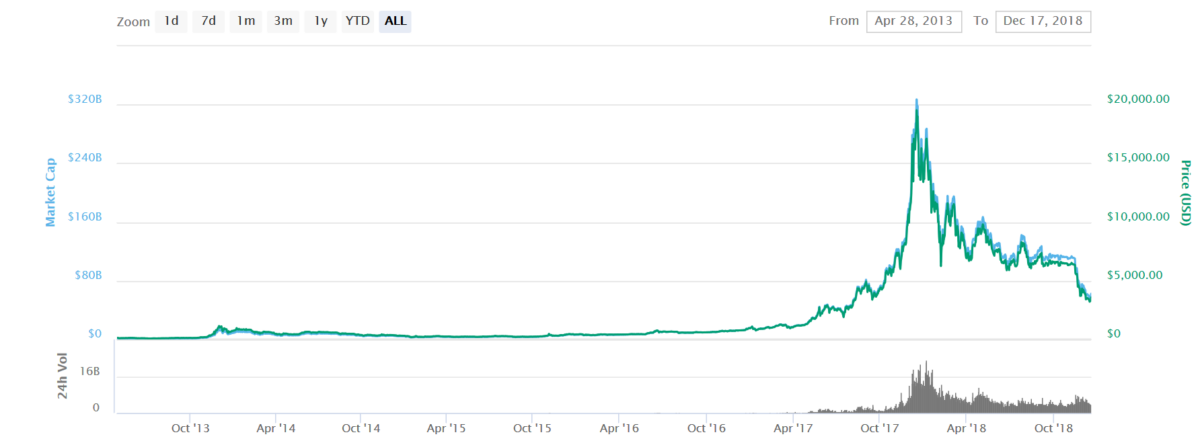
Illustrative photo: Coin Market Cap / Public domain
Read also: Bitcoin returns to $86,000: what caused the growth at the start of October