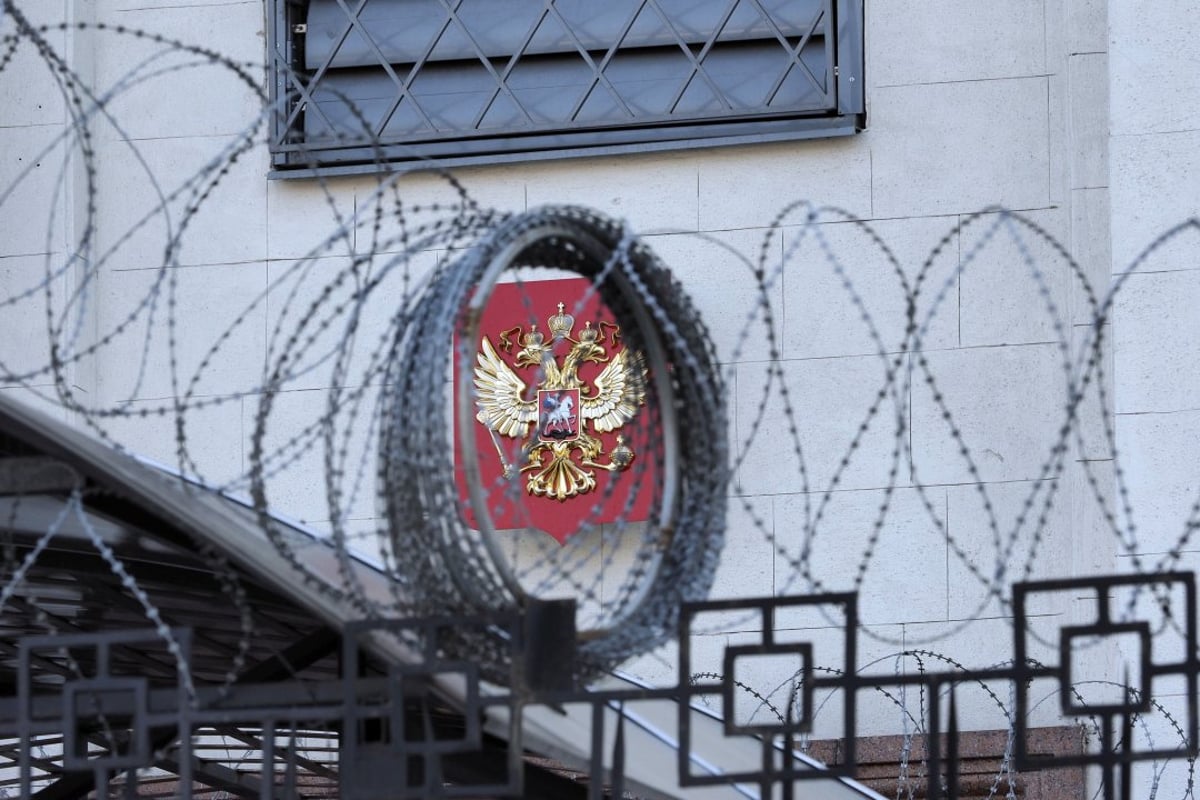
FIU Director Toms Platacis stated the need for coordinated actions to block war financing
Director of the Latvian Financial Intelligence Unit Toms Platacis emphasized that effective pressure on the Russian economy is only possible through close cooperation between NATO and European Union member states. According to him, intelligence efforts are focused on uncovering sanction-evasion schemes and preventing the flow of technology to the Russian defense sector. This was reported by Ukrinform citing Financial Intelligence Unit of Latvia, according to the portal PromPolitInform.
During the eighth annual conference on sanctions held in Riga, Director of the Financial Intelligence Unit (FIU) Toms Platacis stated that for Latvia, which serves as an external border of the EU and NATO, anti-Russian measures are a matter of national security. He highlighted that the task of restricting the resources used by Russia for its aggressive war is a shared responsibility of European countries.
Coordination of Sanction Policy Efforts
According to Toms Platacis, no single state or institution can independently counter the Kremlin’s attempts to bypass international restrictions. He noted that key priorities include the operational exchange of intelligence and coordinated work to identify new financial flows and hidden asset owners.
Since 2024, the Latvian FIU has served as the central competent authority for sanctions implementation. This structure allows the combination of financial analysis, business consulting, and decision-making functions, ensuring clear communication for state institutions and private companies.
Combating Sanction Evasion
Intelligence services are paying special attention to halting the supply of critical components to the Russian military-industrial complex. Furthermore, experts are working to block channels using crypto-assets and to cut the export revenues that directly fund military expenditures.
Parallel to international efforts, Latvian authorities are considering measures to restrict the transit of sanctioned goods, including grain from Russia and occupied Ukrainian territories. Prime Minister Andris Kulbergs previously announced his intent to initiate legislation that would prevent the conclusion of new transit agreements in this sector.
Photo: Ukrinform
Read also: Buses to Russia: Estonia says EU sanctions do not restrict European carriers