LPG saw the largest monthly price increase, while the cost of A-95 gasoline declined
As of November 14, 2026, most Ukrainian petrol station chains have kept retail fuel prices unchanged. Despite local fluctuations, the market remains stable, and there is no shortage of petroleum products. This was reported by Glavcom, according to the portal PromPolitInform.
Minor adjustments in the cost of certain fuel types occurred in the UPG, Ukrnafta, and KLO chains. Specifically, in the UPG chain, LPG became 1 UAH more expensive, reaching 61.90 UAH/l. Meanwhile, at Ukrnafta, premium A-95+ gasoline dropped in price by 3 UAH, and in KLO, the price of LPG decreased by 10 kopecks.
Fuel station price dynamics
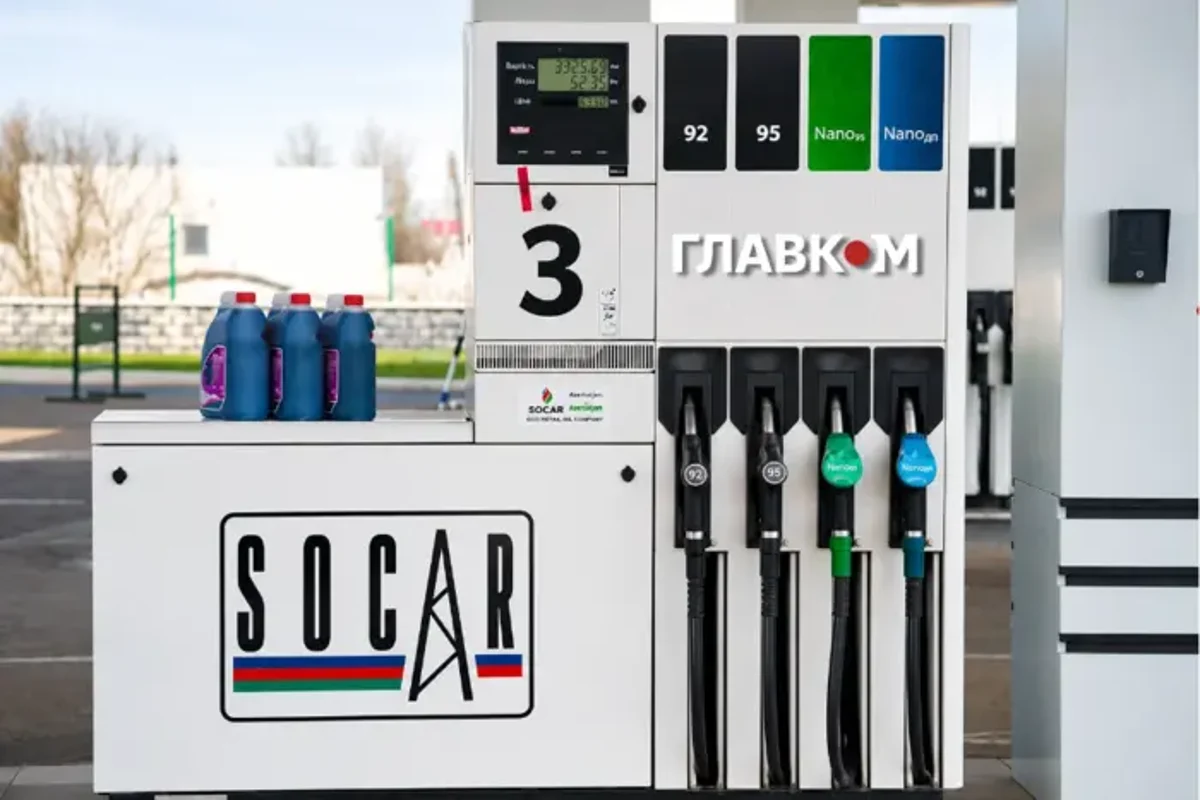
Major operators, such as Okko, WOG, and Socar, maintained price tags at the previous day’s level. At Okko and WOG, the cost of A-95 gasoline is 90.90 UAH/l, and diesel is 105.90 UAH/l. The highest price for A-95 gasoline in this review was recorded in the Socar chain at 91.90 UAH/l, while the lowest figure is at KLO — 84.90 UAH/l.
Analytics for the period from October 14 to November 14 shows a noticeable increase in the price of LPG, which rose by 14.20–15 UAH/l depending on the chain. Diesel fuel increased in price by 3–6 UAH/l over the month, and premium diesel brands rose by 5–6 UAH/l.
Factors influencing costs
In contrast to the rising prices for gas and diesel, A-95 gasoline has become cheaper in all surveyed chains over the last month. The most significant decrease occurred at Socar — by 3 UAH/l, while in other chains, the average correction was 1–2 UAH/l. A trend toward lower costs for A-95+ and A-100 gasoline is also observed in most companies.
Experts attribute the formation of prices on the Ukrainian market to reliance on imports and the situation on European trading platforms. Russian attacks on port and fuel infrastructure put additional pressure on logistics costs, forcing businesses to switch to more expensive land-based supply routes.
Despite regular enemy shelling, which has damaged over 200 facilities since April, there is no large-scale fuel crisis in Ukraine. Existing supply problems in frontline areas are local in nature and are being successfully resolved by operators, which helps avoid a nationwide shortage of petroleum products.
Photo: Glavcom
Read also: Ukraine strikes Volgograd Refinery, which produces 5% of Russian gasoline