Warsaw cites budget deficits and high domestic defence spending for its decision
Poland is suspending contributions to the PURL fund, which is aimed at purchasing US weapons for the Ukrainian Defence Forces. This was announced by Polish Prime Minister Donald Tusk. This was reported by RBC-Ukraine (Олена Бджола) citing Kancelaria Premiera, according to the portal PromPolitInform.
The head of the Polish government informed NATO Secretary General Mark Rutte about the withdrawal from the funding programme. The key factor behind this decision was the significant pressure on Poland’s state budget and the need to invest in its own defence capabilities.
Priority on national defence spending
Donald Tusk emphasised that Poland’s security spending remains among the highest of any European nation. The current state of public finances and the budget deficit limit Warsaw’s capacity for further support of the PURL project, which involves purchasing US-made weaponry for the Armed Forces of Ukraine.
The Prime Minister noted that the state has already provided significant volumes of aid to Ukraine and continues to support Kyiv through other channels. However, additional financial tranches for the specified international initiative are not currently possible.
Financial shortfall for defence initiatives
The PURL programme operates under a mechanism where allies pay for US weapons destined for the Ukrainian military. It was previously reported that the total funding shortfall for agreed aid packages is estimated at $2 billion, which led the United States to appeal to NATO partners for increased contributions.
Work on updating Ukraine’s air defence arsenal is proceeding in parallel. In particular, the US has approved the sale of PAC-3 interceptor missiles to Ukraine worth $2.1 billion, though the delivery timeline is stretched over several years.
Due to these long-term production schedules, the Ukrainian side has requested that partners provide ammunition from their own stocks this winter. According to President Volodymyr Zelenskyy, Ukraine requires at least 100 missiles per month to meet basic air defence needs.
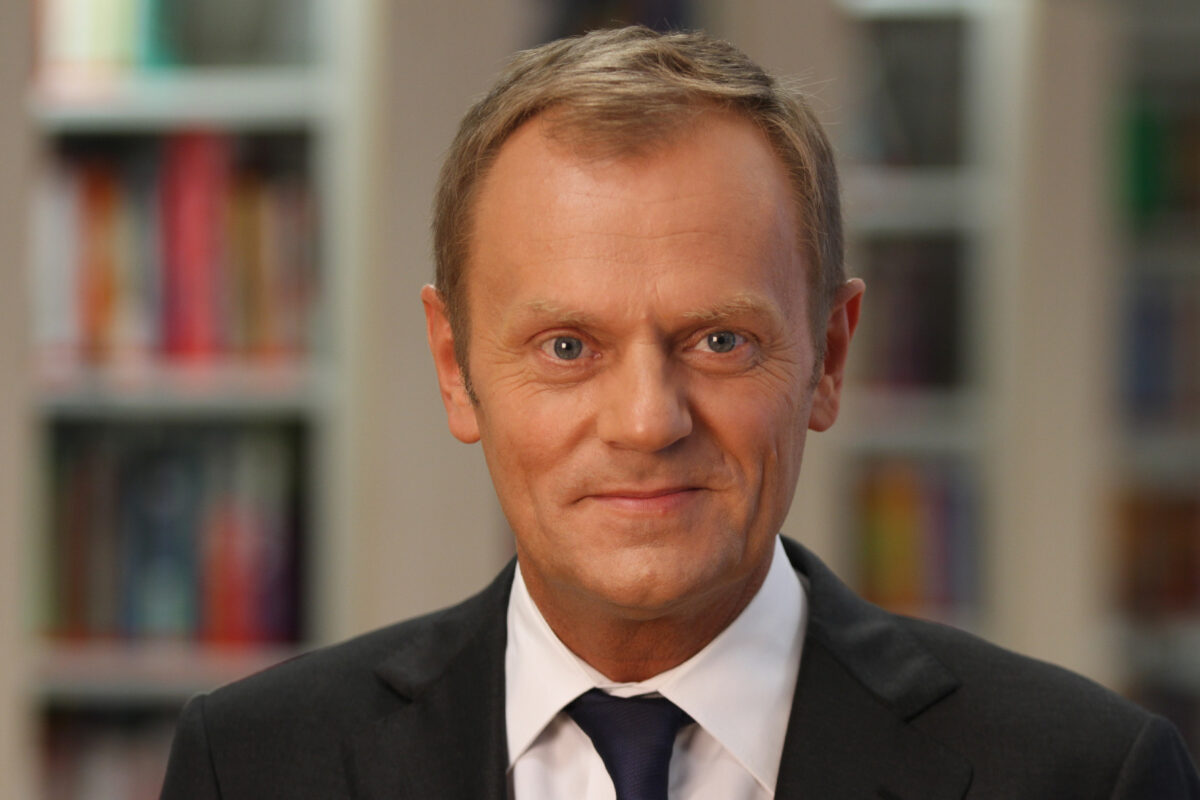
Illustrative photo: Platforma Obywatelska RP / CC BY-SA 2.0