In July, the Russian Federation exceeded its planned output targets for X-101 and Kalibr missiles, while production of X-35 doubled. This was stated by Deputy Head of the Main Directorate of Intelligence of the Ministry of Defence of Ukraine Major General Vadym Skibitskyi. This is reported by Ukrinform citing Rbk-Ukraina. The portal PromPolitInform reports.
In July, the Russian military-industrial complex exceeded monthly production targets for major missile types by 110–120 percent. Specifically, manufacturing of X-101 cruise missiles reached 140 percent of the plan, Kalibrs achieved 111 percent, and X-35 missiles hit 200 percent.
“Overall, for the main types of missile weapons, their monthly plan execution is currently at 110–120%. According to the data of the Main Directorate of Intelligence of the Ministry of Defence of Ukraine, the production plan for X-101 in July was fulfilled by 140%, Kalibrs by 111%, and the X-35 cruise missile by 200%,” said Vadym Skibitskyi.
In August, the target for X-101 is set at 72 units, whereas in July the plan was identical, but actual production reached 87 units. For Kalibrs, the August target is 26 units compared to 29 manufactured in the previous month.
Intelligence has documentary evidence of the enemy fulfilling the state defense order
The agency possesses documentary proof regarding planned volumes and actual production figures for armaments. X-101 samples that malfunction during launch are sent back to manufacturing plants to check and eliminate technical issues.
Regarding Zircon and Onyx missiles, as of August 3, the adversary has already fulfilled its annual production plan specified in the state defense order. In July, enemy forces carried out 153 launches of X-101, Kalibr, and X-32 cruise missiles, marking the second-highest monthly figure following February with 157 launches.
The deployment of ballistic and hypersonic missiles in July reached 198 units, setting the highest figure this year. Adversary forces may reduce the number of missiles flying at a single target, but they are unlikely to take a pause.
“They will be able to reduce the number of missiles flying at one target, but they are unlikely to take a pause. After all, their priority right now is hitting certain targets, and then they will switch to others. However, everything will depend on production volumes — whether they can maintain the current pace,” summarized Vadym Skibitskyi.
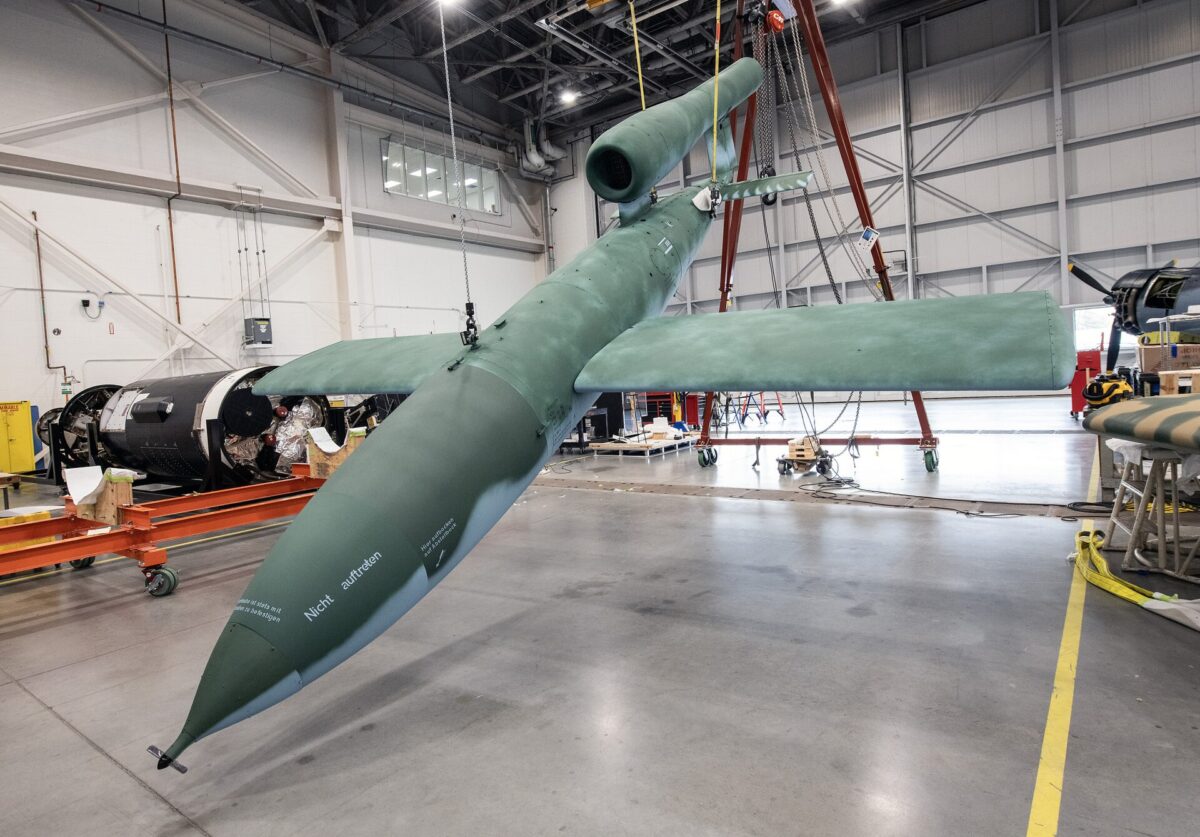
Illustrative photo: Gerhard Fieseler Werke GmbH / CC0
Read also: Ukraine needs to implement 25 reforms to receive 10 billion euros by the end of 2026