Ukrainian long-range drones are transforming from isolated experimental models into a fully-fledged defence industry sector. Experts estimate the production capacity for Deep Strike systems at 25 billion dollars per year and predict a shift toward artificial intelligence integration. This is reported by RBC-Ukraine (Костянтин Широкун), the portal PromPolitInform reports.
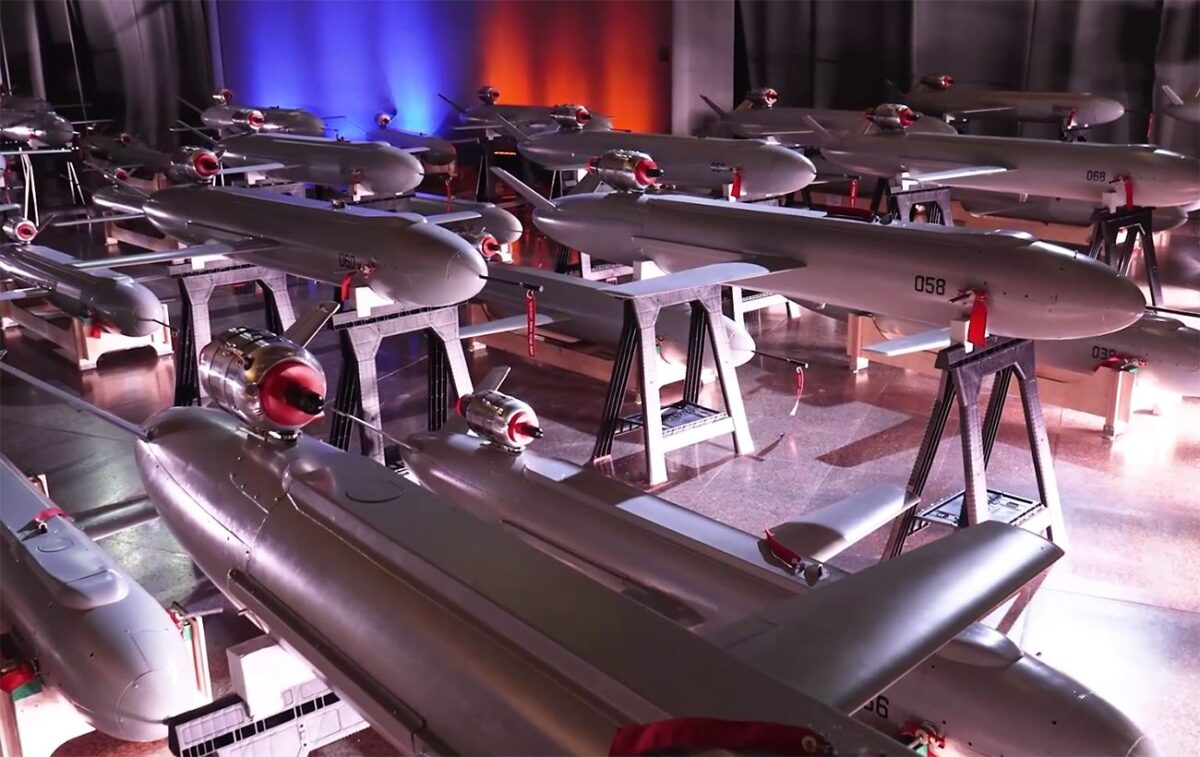
Ukraine’s long-range unmanned aerial vehicle sector has evolved from experimental projects into a mature branch of the defence industry. Over recent years, domestic developers have significantly extended flight ranges, improved reliability, and established serial manufacturing. Special attention has been devoted to increasing resistance against electronic warfare, as well as standardising quality, maintenance systems, and logistics.
According to the National Security and Defense Council of Ukraine, the total manufacturing capacity of the domestic defence industry in the Deep Strike segment could reach 25 billion dollars by 2026. The long-range drone segment is no longer a niche operation and is turning into an independent sector of the economy and defence capability.
Manufacturers expect AI integration and autonomous navigation
In the next one to two years, long-range drones are expected to achieve greater autonomy. This was stated by Oleh Krot, Chairman of the Board at Culver Aerospace. According to him, strike systems will become more resilient to electronic warfare interference and more deeply integrated into the overarching intelligence and strike infrastructure.
Developers highlight the creation of navigation systems capable of operating under degraded or blocked GPS and satellite communication signals as a key development area. To address this challenge, companies plan to scale artificial intelligence technologies that assist in terrain target recognition, mission planning, and reducing operator workload.
Swarm operations and adaptation speed to become decisive factors
Another emerging trend is the transition toward swarm or group drone deployment. Under this concept, an individual drone operates not as an isolated unit, but as a component of a larger strike architecture.
Experts emphasise that the decisive advantage on the battlefield and in the industry will belong not to those who design a single successful model, but to those capable of continuously updating technology. Manufacturers that can rapidly scale production, incorporate real combat experience, and outpace the enemy in technical adaptation cycles will lead the market.
Photo: RBC-Ukraine