Democratic senators Elizabeth Warren and Christopher Coons have asked US Secretary of State Marco Rubio and Treasury Secretary Scott Bessent to explain a 17-month pause in introducing new sanctions against Russia. Lawmakers insist on restoring systematic pressure due to a lack of results in peace talks.
This was reported by Glavcom citing Reuters, according to the portal PromPolitInform.
Democratic senators Elizabeth Warren and Christopher Coons have sent an official letter to US Secretary of State Marco Rubio and Treasury Secretary Scott Bessent. The authors of the appeal demand an explanation as to why Donald Trump’s administration has refrained from regularly updating sanctions against Russia for 17 months.
According to the lawmakers, Washington has stopped systematically penalizing financial institutions and companies helping Moscow bypass existing restrictions. The last major package of US sanctions was adopted in October 2025 against Russian oil companies Rosneft and Lukoil.
The appeal notes that between February 2022 and January 2025, the United States imposed 111 separate sanction packages. Parliamentarians emphasize that the prolonged pause allows the Kremlin to adapt to pressure and find ways around restrictions.
Senators demand explanations from the White House regarding sanctions policy by August 28
Treasury Secretary Scott Bessent previously explained the pause by the administration’s desire to assess the course of peace negotiations before resuming pressure. At the same time, Secretary of State Marco Rubio acknowledged the deadlock in talks between Ukraine and Russia back in May.
Lawmakers stressed the inconsistency, noting that the US continued to impose restrictions on Iran and Cuba alongside diplomatic contacts. The White House is required to provide explanations regarding this policy by August 28.
Meanwhile, the US Senate has supported a new bill on additional sanctions against Russia and Iran, co-authored by Republican Senator Lindsey Graham. On August 7, the document received 86 votes in favor and 11 against, though its further fate in the House of Representatives remains uncertain due to concerns over provisions granting the president authority to levy trade tariffs on US allies in Europe and Asia.
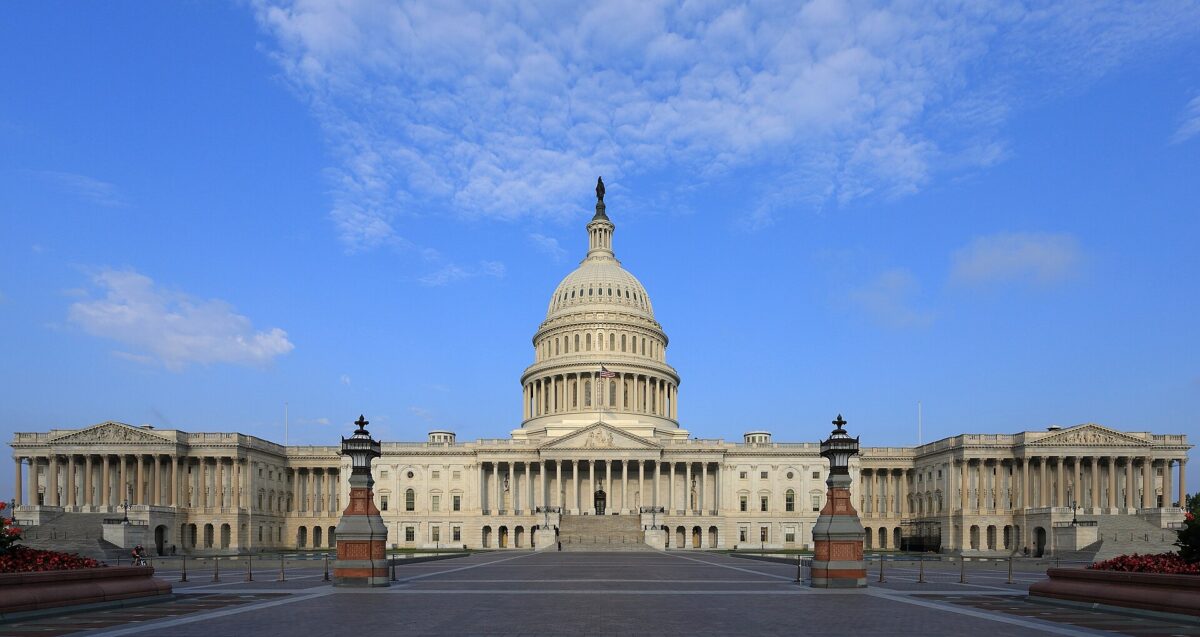
Illustrative photo: Martin Falbisoner / CC BY-SA 3.0
Read also: Ukraine hands proposals to the US to force Russia to end the war