Artificial intelligence was used for cyberspying and media network coordination
Anthropic has published a report detailing the use of Claude artificial intelligence in Russian operations. According to the investigation, the technology was employed for propaganda, cyberspying against Ukraine, and software development for military drones. This was reported by Socportal citing Anthropic, according to the portal PromPolitInform.
The investigation covers the period from December 2025 to August 2026 and demonstrates cases where large language models were integrated into the workflows of Russian entities. The report is not a statistical sample, but it highlights the most prominent episodes of generative artificial intelligence being used for content generation, data collection, and programming.
Russian State Media and Propaganda Networks
In a case codenamed GTG-24015, the use of Claude as an editorial tool by four accounts was recorded. The content generated with the model was handed over to Russian state media and distributed through resources such as Sputnik Moldova, RIA Novosti, and RT. Artificial intelligence was used for message adaptation, translation, headline creation, captions, and audio accompaniment.
Researchers discovered a separate network in a Central African country, where operators coordinated materials for the Radio Lengo Songo radio station and local offices of Russian entities. The model was used not only to prepare news texts but also to create official documentation demanding loyalty to the Russian presence. At the same time, the system refused to draft materials containing groundless accusations against specific individuals intended to provoke law enforcement.
Cyber Espionage Against Ukraine and Drone Development
In another operation linked to the Midnight Blizzard group, Claude models helped automate stages of cyberattacks and phishing campaigns. The primary targets of this espionage activity included government agencies, diplomatic structures, and defense sector enterprises in Ukraine and Europe. Specifically, the intruders gained access to the mailboxes of component and military UAV manufacturers after analyzing proprietary development kits.
A separate group of developers was spotted during the creation of software for swarms of FPV kamikaze drones named DronDoc and Serafim. Claude Code tools were used to configure computer vision, coordinate devices, and establish algorithms for autonomous target engagement. Combat footage from the Ukrainian frontline and coordinates from Donetsk Oblast were used to train the systems.
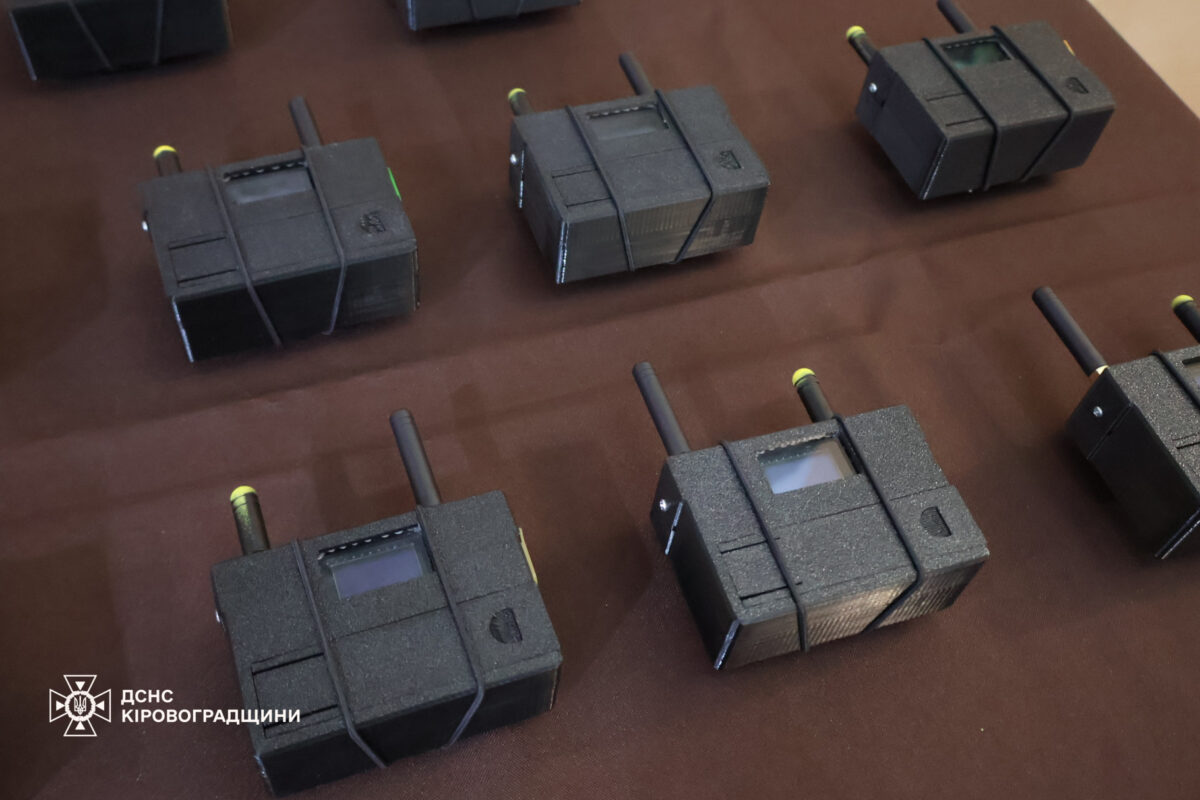
Illustrative photo: State Emergency Service of Ukraine / CC BY 4.0
Read also: Donald Trump to appoint an AI czar