The country's national debt could reach nearly 69% of GDP by 2027
In 2026, Poland increased its defence spending to $53 billion, accounting for 4.8% of the country's GDP. This financial burden is accompanied by a record state budget deficit. This was reported by Socportal citing The Guardian, according to the portal PromPolitInform.
Since 2022, the share of defence allocations in the Polish economy has more than doubled. Currently, Warsaw holds the fourth position in the European Union in terms of military budget, trailing only Germany, France, and Italy.
Development of defence production
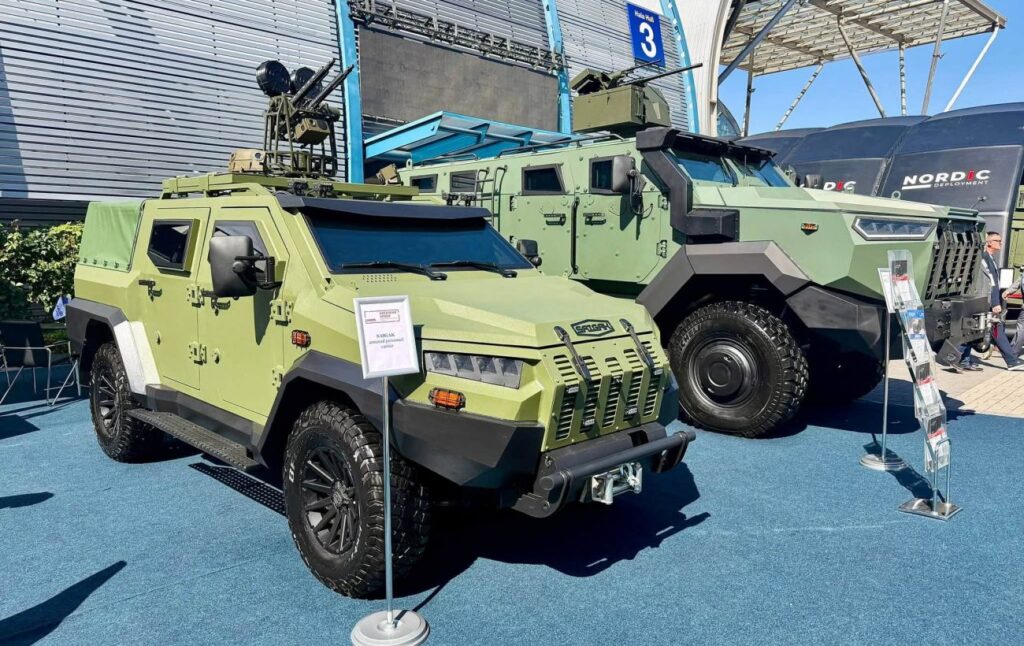
Warsaw is directing massive investments not only towards purchasing equipment but also into developing its own industrial base. Specifically, in cooperation with BAE Systems, the launch of three new sites for ammunition production is planned by 2028.
A rapid increase in the production of 155mm artillery shells is expected: the figure is set to grow from 5,000 units in 2023 to 200,000 per year in the coming years. The company MBDA Polska is already forming new capacities in Cosnow, ensuring the creation of additional jobs in the sector.
Budgetary risks and ratings
The financial pressure on the state budget has increased significantly, leading to a deterioration in deficit indicators. Experts forecast that in 2027, this level will reach 7.1% of GDP, which will be one of the highest values among EU countries.
On September 18, the Moody’s agency decided to downgrade Poland’s sovereign rating from A2 to A3. Analysts attribute this to a prolonged worsening of public finances and the rise in interest expenses on state debt, which is estimated to increase to 68.9% of GDP by 2027.
Economic consequences of policy
ING Bank economist Leszek Kosek described Poland’s current trajectory of budget spending as unsustainable. The expert expresses doubts about the country’s ability to maintain high rates of economic growth for a long time with such significant government expenditures.
Despite financial challenges, Poland continues active militarization, given its location on NATO’s eastern flank and proximity to the zone of active hostilities. The government is trying to balance the build-up of security capabilities with ensuring the long-term stability of the national financial system.
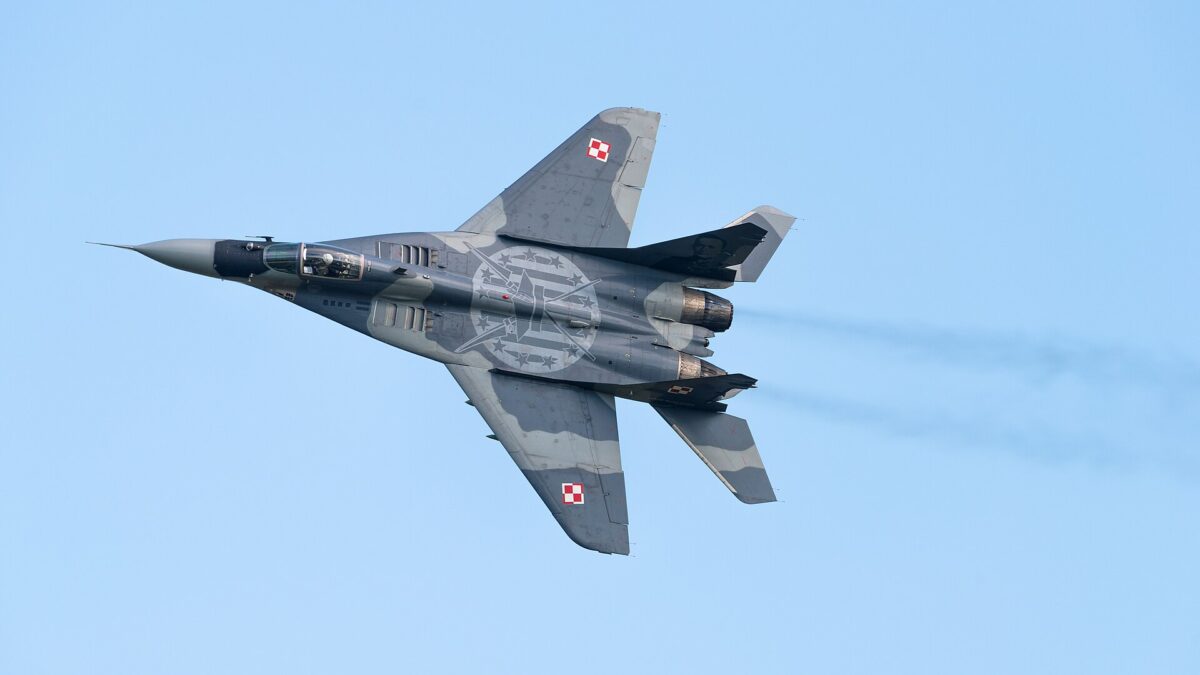
Illustrative photo: Julian Herzog (Website) / CC BY 4.0
Read also: Attacks on Ukrainians in Poland Up 30%, Says Ambassador