Larger dimensions of equipment significantly complicate navigation systems and safety algorithms
The development of large-scale ground robotic systems (GRS) faces a number of technological challenges that distinguish them from smaller counterparts. Creating a reliable and autonomous platform requires addressing factors related to control, communications, and economic viability. This was reported by RBC-Ukraine (Костянтин Широкун), according to the portal PromPolitInform.
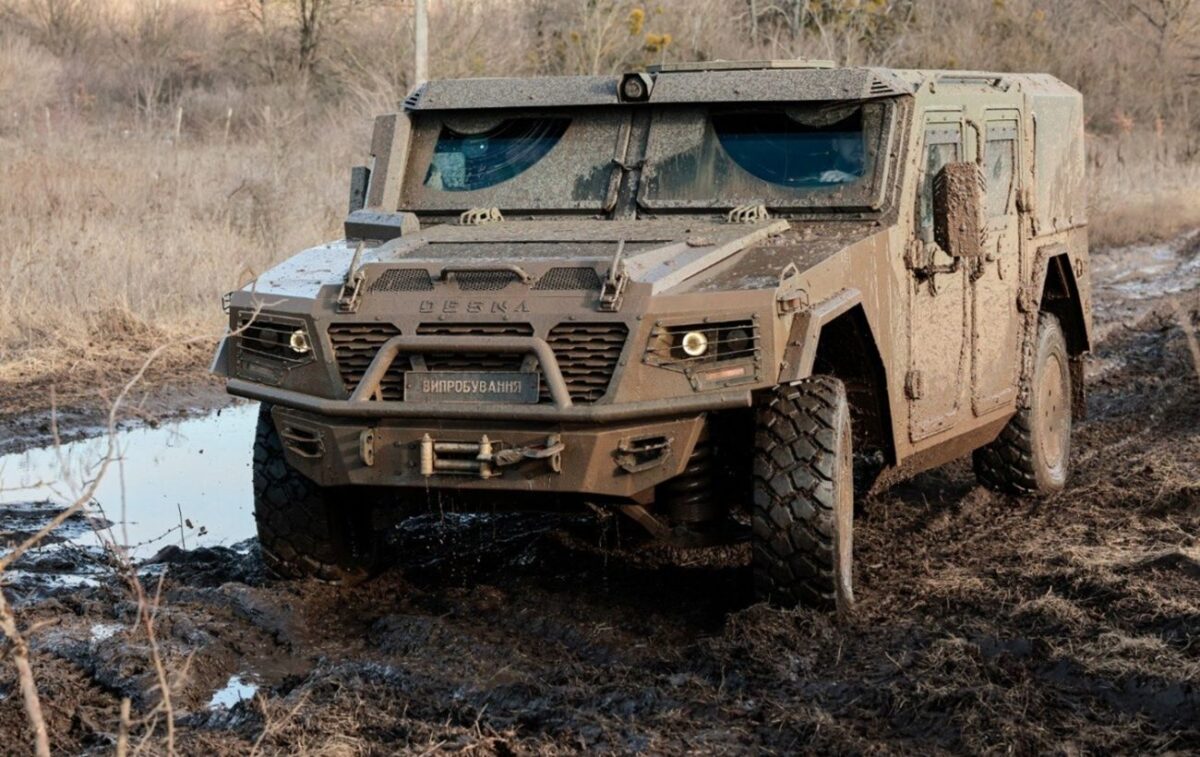
Ukr Armo Tech CEO Gennadiy Khirhiy explained that the technical capability to create an unmanned vehicle the size of an armored personnel carrier does not guarantee its effectiveness in combat conditions. The main difficulty lies in ensuring autonomy and a high level of system reliability.
As the weight and size of equipment increase, there is a need to adapt navigation and environmental perception systems. While a driver in real-world conditions intuitively assesses soil conditions, obstacles, or surface incline, these tasks require complex software and sensors for a robot, which are not always more effective than human experience.
Critical factors for navigation and communication
The next challenge is resilience against enemy electronic warfare systems. Constant reliance on a communication channel becomes a vulnerability on the battlefield, so the complex must maintain the ability to perform basic tasks even in the event of interruptions or total loss of control.
A priority task for engineers remains the implementation of full autonomy. The ability of the platform to navigate and operate independently without operator intervention is crucial for successful mission execution in conditions of active signal jamming.
Economic feasibility of robotics
The final, but important aspect is the economics of production. Creating a robotic platform whose cost and technical complexity match that of a full-fledged armored vehicle requires a clear justification of the military advantages such a development provides to units.
Previous experience with GRS has demonstrated the possibilities of integrating them into combat operations using drones. In particular, technologies for deploying complexes by air are already being applied in practice to strike targets deep behind enemy lines.
Photo: RBC-Ukraine
Read also: Moscow experiences the reach of Ukrainian long-range capabilities