Global commission of 37 experts identified the most dangerous challenges for health and civilization existence by 2100
A commission of 37 global experts published a report listing 17 'catastrophic' threats to humanity. At the top of the risk list are nuclear conflict and misuse of artificial intelligence, which could lead to species extinction. This was reported by IFL Science, according to the portal PromPolitInform.
Researchers analyzed hundreds of potential dangers and highlighted those posing the greatest threat to stability and human survival. All 17 risks are interconnected, requiring comprehensive rather than isolated solutions. Projections indicate these threats could collectively result in the loss of one billion healthy life years globally by 2100.
Nuclear War and Future Technologies
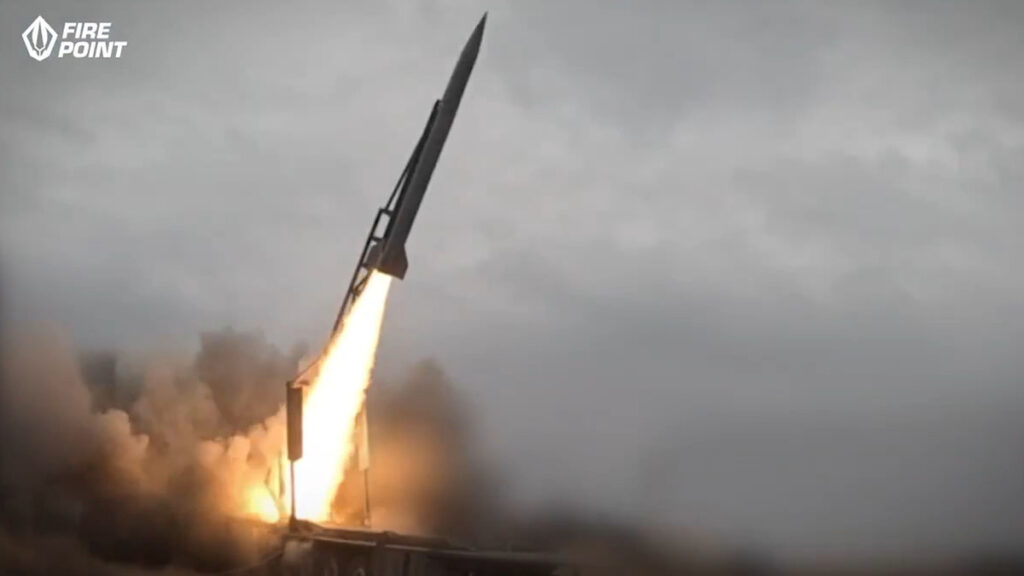
Among all listed factors, two stand out for their existential danger: the threat of nuclear conflict and the risks of malicious use of artificial intelligence. While experts consider these scenarios unlikely, they acknowledge that either could potentially lead to the complete extinction of the human race.
The public no longer feels the same fear of nuclear weapons that prevailed during the Cold War. Instead, AI development is viewed as a modern problem with no consensus even among specialists. The impact of widespread technology adoption on the mind and society remains a subject of intense debate.
Climate Change and Environmental Consequences
Climate instability is already affecting physical and mental health. Extreme weather events disrupt blood and medication supplies, while floodwaters spread dangerous bacteria. Rising temperatures facilitate the expansion of disease-carrying insect habitats. One forecast suggests the current ‘super El Niño’ phenomenon could cause approximately 451,000 deaths by early 2027.
Climate change is inextricably linked to air pollution, which causes tens of thousands of excess deaths annually. Human activities like deforestation bring populations closer to wildlife, increasing the risk of zoonotic disease spillover and potentially sparking new pandemics.
Antimicrobial Resistance and Action Plans
Amidst infectious diseases, the threat of antimicrobial resistance is growing. It is projected that over the next twenty-five years, millions of lives could be lost to antibiotic-resistant bacteria and fungi if new treatment methods are not developed. Authors organized risks into a pyramid with the two most severe threats at the apex, followed by 314 other factors in the wider threat landscape.
Three Steps to Safety
The commission proposed a three-step plan to address these challenges. First, global leaders must ensure healthcare system readiness, providing financial support to even the most marginalized communities. Second, investment is needed in scientific innovations such as new vaccines, drugs, and climate technologies to make them globally accessible.
Third, it is critical to continuously monitor and track the scale of problems, as response is only possible when the threat magnitude is understood. The Lancet editor-in-chief Richard Horton noted that solutions must match the complexity of reality rather than focusing on isolated issues.
Illustrative photo: State Emergency Service of Ukraine / CC BY 4.0