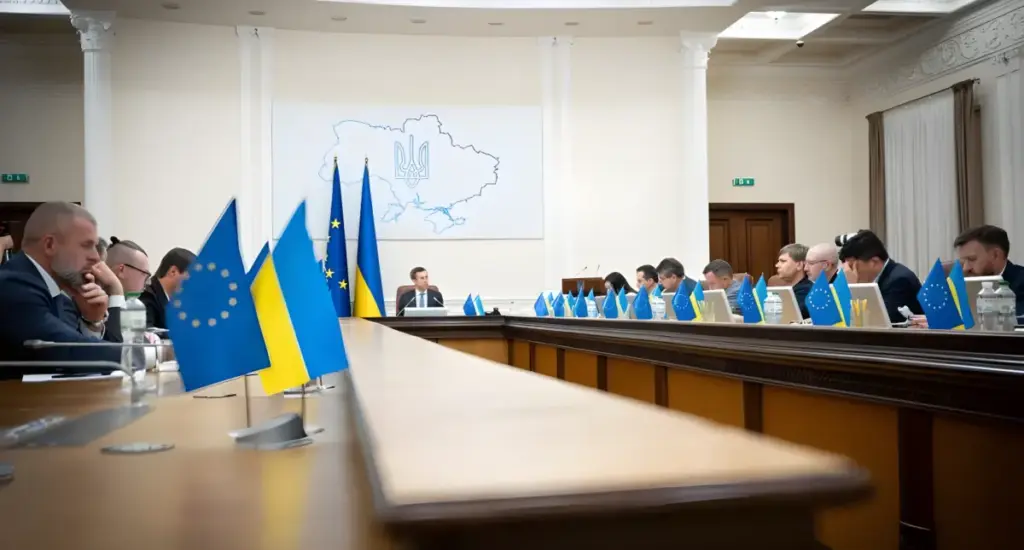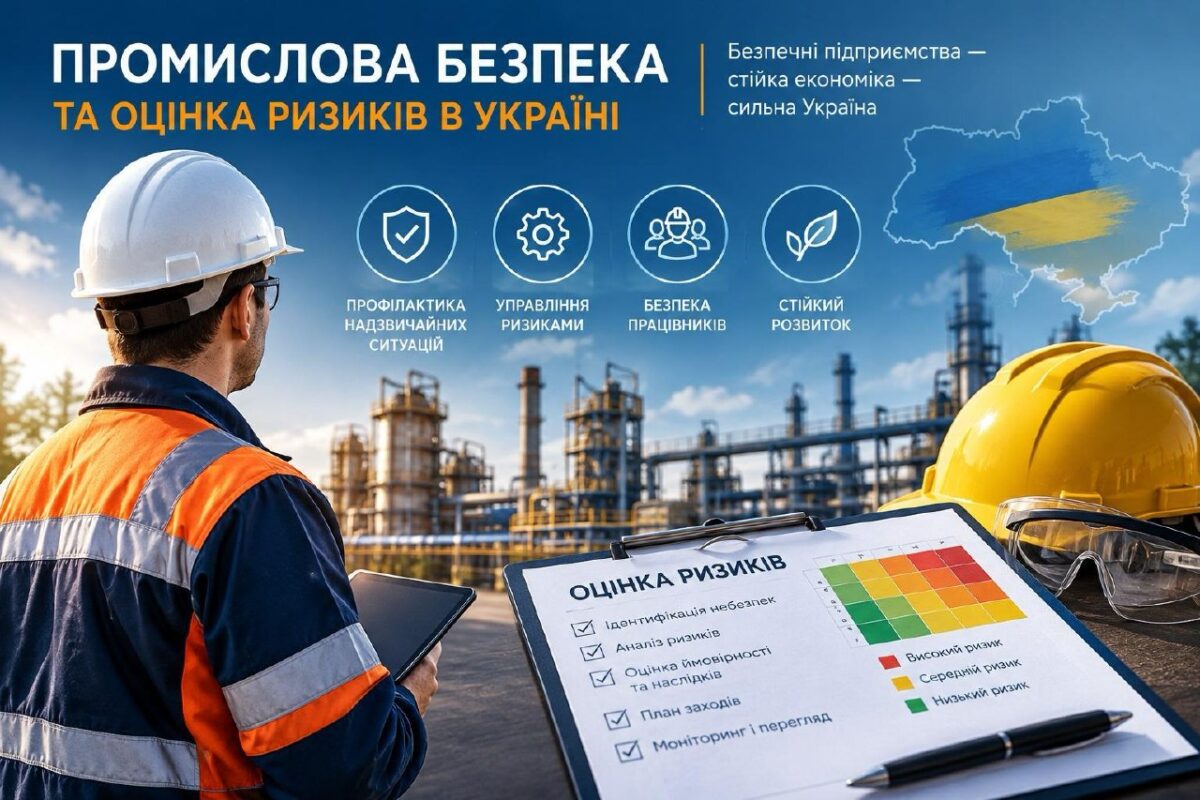
Yesterday, the Verkhovna Rada passed the law “On the Safety and Health of Workers at Work” in the second reading and as a whole. It received 246 votes.
It would seem that one could put a period to the long-standing stubborn confrontation between the concepts of post-Soviet “labor protection” and pro-European “risk management.” But is this really a period?
This is written by risk management expert Andrian Halach specifically for the Prompolitinform portal.
Let’s start with how long it took. Since the beginning of the European integration course, Ukraine has been working on a new regulatory framework for labor safety for over ten years. Why did the process take so long? Because it was very difficult to abandon the Soviet mentality, the belief that safety is achieved through total control, inspections, and signatures in journals.
This mentality lived everywhere: in public administration, among employers, and in the trade union environment. And even among occupational safety specialists themselves, proponents of risk management were long a thin layer against the backdrop of prevailing post-Soviet practices. This is not a reproach to anyone in particular. It is a description of where we started from.
It is also telling what happened on the day of the vote. On October 12, draft resolutions No. 10147-P and No. 10147-P1 were registered to cancel the Rada’s decision to adopt this law. We cannot judge the motives of the authors. But the fact itself is eloquent: a law that took years to reach is already being challenged on the day of its adoption. Whatever the outcome of the consideration of these documents, this is a reminder that the vote is not the finale, but the beginning of the struggle to make the law work.
Now about those who will bear the main burden. Much will now depend on occupational safety specialists. They are the ones who will have to explain to employers why risk assessment is the basis for management decisions, and not just another report for a folder. At the same time, the implementation of European directives in Ukraine today is significantly complicated by the fact that classical industrial risks are inevitably compounded by military ones. This is an unprecedented challenge for the entire country, which requires a completely new understanding and a search for a balance between not stopping business and saving people.
This is where the main question arises. Can a specialist handle this alone? No. Even the best specialist cannot compensate for the employer’s lack of will to invest resources in safety. And what forms this will? It is formed by rules set by the state, economic incentives, and the inevitability of accountability. If accountability is conditional and the rules are blurred, even a convinced manager finds it difficult to avoid a certain amount of formalism.
Therefore, the main question today is not whether the new law is progressive enough. The main question is whether the state is capable of ensuring its real implementation.
There is a significant distance between the adoption of the law and a safer workplace. It cannot be overcome by new document names, new instructions, or declarations of a European choice. We need by-laws, effective accountability, competent specialists, employer resources, and consistent state policy.
The next year will show whether the state has the political will to complete the reform that it could not lead to this stage for so long. And whether the worker’s safety will become a real priority — not just in law, but in the daily decisions of Ukrainian enterprises.
Author: Andrian Halach, risk management expert
Photo: Оцінка ризиків в Україні
Read also: Ihor Terekhov appeals to Verkhovna Rada and government regarding 2027 state budget draft