US administration cancels introduction of harsh restrictions against Russian energy sector to stabilize fuel prices before elections
US President Donald Trump signed an order suspending the Lindsey Graham law, which provided for the implementation of 'hellish sanctions' against Russia. The White House head's decision is explained by national interests and the risk of a sharp rise in fuel prices in the country. This was reported by Glavcom citing Reuters, according to the portal PromPolitInform.
Donald Trump officially halted the process of implementing large-scale economic restrictions against the Russian Federation. This step occurred immediately before the date of entry into force of new measures, which allowed avoiding their actual application at the initial stage.
Mechanism of ‘hellish sanctions’
The bill initiated by the late Senator Lindsey Graham contained provisions for introducing harsh economic leverage. In particular, it was planned to impose tariffs of up to 100 percent on goods imported by the five largest buyers of Russian oil and gas. It was also planned to collect 500 percent tariffs on Russian import of energy carriers.
Economic motives of the administration
The head of the White House argued his decision with the need to protect the national interests of the United States. According to him, the introduction of such strict sanctions a few weeks before the midterm elections could have provoked another jump in fuel prices in the US domestic market. American citizens’ expenses had already increased due to military actions against Iran.
Diplomatic context with China and India
In addition, refusal from sanctions allowed avoiding exacerbation of relations with large importers of raw materials, such as China and India. Both countries actively opposed American restrictions, and their rejection could have complicated global trade processes.
Reaction of politicians and the Kremlin
Trump’s decision caused sharp criticism among congressmen and senators of both parties. Opponents accuse the administration of concessions to the Kremlin, especially against the background of a recent agreement with Moscow on diesel fuel. Formally, the order approves the developed measures, but leaves the president the right to activate them in the future.
Position of the Russian side
Special representative of the President of Russia Kirill Dmitriev stated that the US is looking for options to cancel sanctions against the RF. According to him, a number of important initiatives are expected between Moscow and Washington in the near future. ‘Americans increasingly understand that sanctions harm the US itself,’ Dmitriev added.
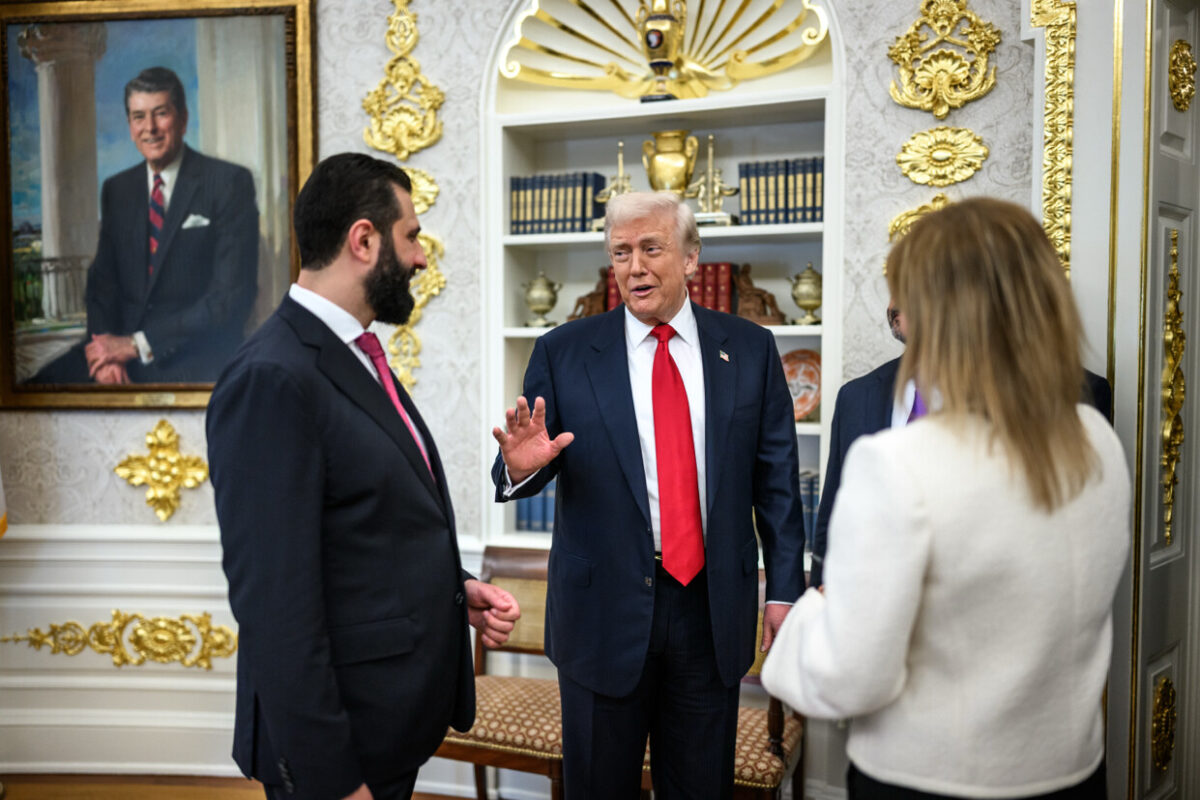
Illustrative photo: Donald Trump / Public domain