Military command has introduced strict oversight for individuals involved in anti-corruption investigations
Commander-in-Chief of the Armed Forces of Ukraine Mykhailo Drapatyi has issued an order implementing strict personnel restrictions for service members suspected or accused of corruption-related crimes. The directive aims to minimize corruption risks and prevent the use of military service as a means to evade accountability. This was reported by Nashi Hroshi citing Lviv.media, according to the portal PromPolitInform.
The document, issued on September 7, is addressed to the General Staff leadership, commanders of various military branches, and heads of military administration and law enforcement bodies within the ZSU. It establishes strict disciplinary measures for individuals involved in corruption proceedings, even if their guilt has not yet been confirmed by a court verdict.
Restrictions for case subjects
According to lawyers, approximately 80 individuals who mobilized into the Defense Forces during the investigation or trial phases of NABU and SAP cases may fall under the new rules. This primarily concerns former officials of state enterprises and law enforcement officers accused of significant financial abuse.
Military command now has the authority to suspend such individuals from their duties even before court proceedings conclude. Special attention is paid to staffing units responsible for procurement, the operations of territorial recruitment centers, and military medical commissions, where vetting for existing criminal proceedings is now mandatory.
Control over service discipline
The new orders stipulate that even in the absence of a direct court ban on holding specific positions, service members with proven corruption offenses must be transferred to positions without managerial or financial responsibilities. In cases where a court orders the forfeiture of unjustified assets to the state, the dismissal of such individuals from military service is required.
Additionally, a ban on the direct subordination of close relatives within the same structure has been established. Anti-corruption departments must maintain records of offenders and report semi-annually on the results of personnel checks and commanders’ responses to identified abuses.
Ensuring court appearance
A separate section of the directive focuses on cooperation with law enforcement agencies. Commanders are required to ensure the unobstructed appearance of subordinates when summoned by investigators or courts, and the fulfillment of official duties cannot be a valid reason for ignoring subpoenas. Military leaders must promptly inform prosecutors or judicial authorities of any obstacles arising in the legal process.
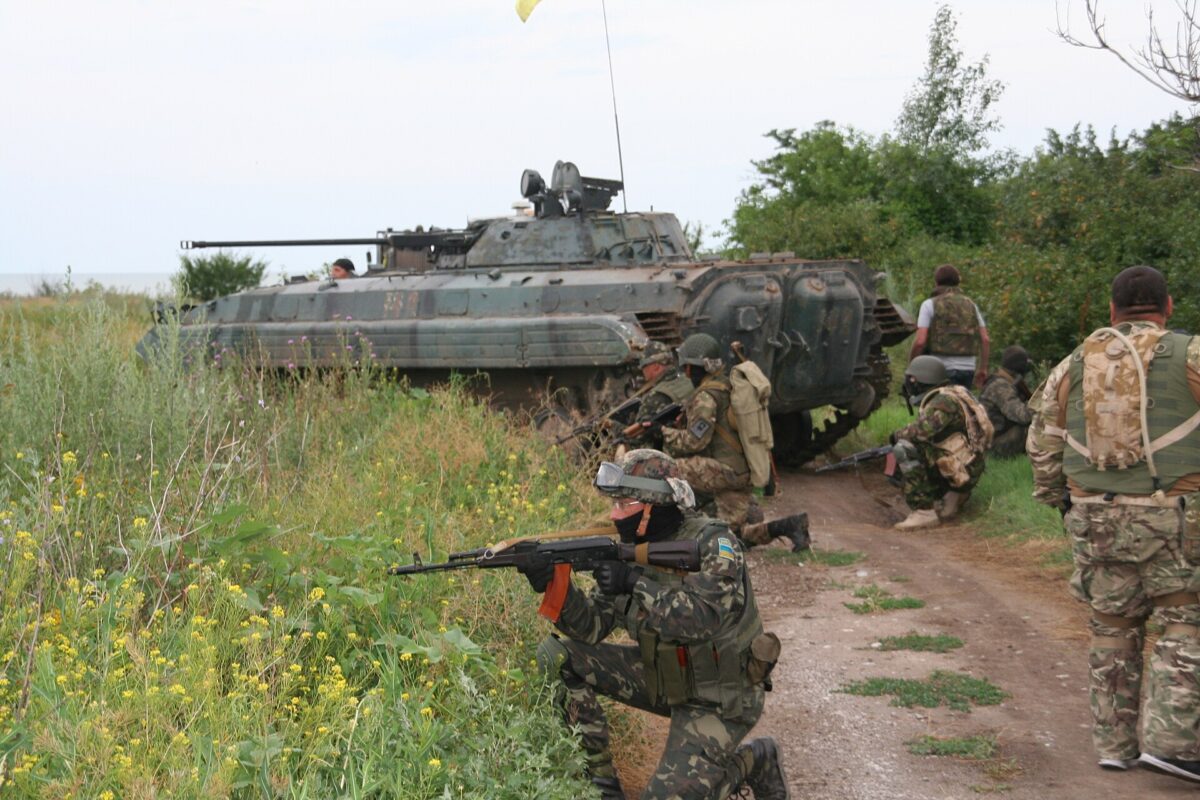
Illustrative photo: Carl Ridderstråle / CC BY-SA 4.0
Read also: ZSU destroyed a Russian UAV and EW workshop and warehouse in Donetsk region