The Virazh-planshet system transmits data, but the speed of ballistic targets prevents them from being displayed
The updated Air Alert app now tracks enemy drones and cruise missiles, but ballistic threats will not appear on the map. The Air Force Command stated that this is due to the critically high flight speed of ballistic missiles. This was reported by RBC-Ukraine (Уляна Безпалько), according to the portal PromPolitInform.
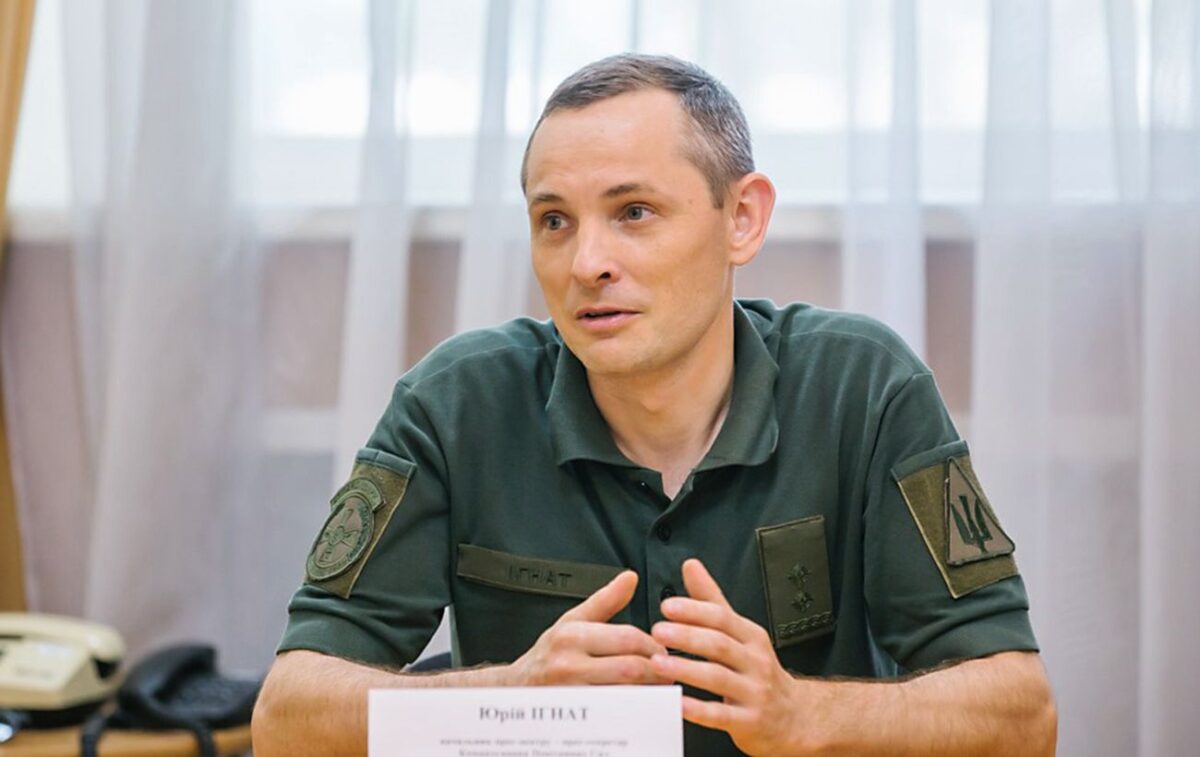
Yurii Ihnat, Head of Communications at the Air Force Command, noted that information feeds for civilian use are based on military data, specifically from the Virazh-planshet system. Despite the integration with military developments, the data provided to the public is adapted and somewhat restricted.
App users can track the region, movement direction, and speed of cruise missiles, guided aerial bombs (KAB), and Shahed-type strike drones, including jet-powered variants. However, ballistic targets are absent from the interface because the system is physically unable to react in time to the extreme speeds of such objects.
Military data security
During the development of the visualization format, experts paid close attention to defense security. The implemented restrictions prevent the disclosure of sensitive information that could be used by the enemy to adjust their actions. Specialized professional systems like Skymap, Virazh-planshet, and Delta remain in use for military purposes.
According to Yurii Ihnat, the process of finalizing the data format was long and involved significant discussion. The final decision aims to provide citizens with a convenient alerting tool while minimizing any risks to the country’s defensive capabilities.
Technical maintenance and future alerts
Currently, the software is operating in a quasi-test mode. After initial server load issues caused by millions of users connecting simultaneously, technical glitches have been resolved.
It is expected that the app’s functionality will eventually allow it to become the primary source for operational alerts. This may reduce the reliance on unofficial monitoring Telegram channels, although official warnings regarding ballistic threats will continue to be issued directly by the Air Force.
Photo: RBC-Ukraine
Read also: Cost of creating a private air defense system for business starts at 4 million UAH