The government plans record defence spending amid falling oil and gas revenues
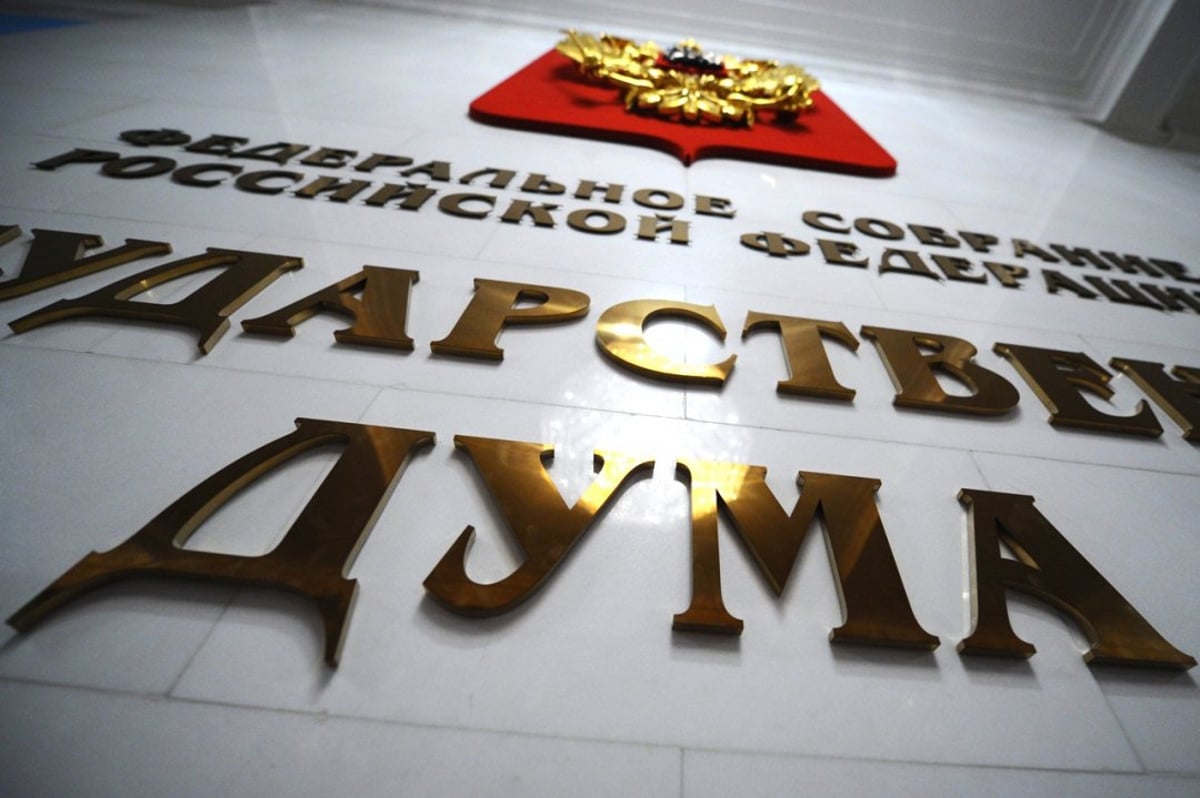
The Budget and Tax Committee of the Russian State Duma has officially warned of the threat of failing to meet financial targets for 2027–2029. The projected state budget deficit is expected to range from 63.6 to 67.6 billion USD annually. This was reported by Ukrinform citing Foreign Intelligence Service of Ukraine, according to the portal PromPolitInform.
The government’s financing plan for the next three years poses significant risks to the stability of the Russian economy. Budget committee deputies, despite formally approving the document, have directly pointed to the low probability of achieving the projected revenue targets due to a general economic slowdown and the rising cost of credit resources.
Projected figures and deficit
Moscow expects state revenues to reach 537.5 billion USD in 2027, 569 billion USD in 2028, and 603.6 billion USD in 2029. Analysts estimate that the expected budget deficit will hit 1.9–2.2% of GDP, creating significant pressure on the state treasury.
Servicing the internal debt is becoming an additional negative factor. Expenditures on debt service are expected to rise from 56.7 billion USD in 2027 to 70.5 billion USD in 2029, even as the country plans to allocate over 212 billion USD for defence needs in 2027.
Energy sector risks
The government’s plans for the oil and gas sector are causing particular concern. Despite a projected decline in the estimated price of Russian oil from 61.2 USD per barrel to 51 USD over the next three years, the authorities expect an increase in industry revenues, which contradicts current market realities.
According to intelligence, these projections could be derailed by energy market volatility. As a result, the share of oil and gas revenues in the overall structure of the Russian federal budget is expected to gradually shrink.
Depletion of reserves
The economic situation is already showing negative trends: in the first half of 2026, GDP grew by only 0.6%. The Russian banking sector remains overloaded with loans issued to defence companies, limiting the capacity to fund civilian projects.
The liquid portion of the National Wealth Fund has already dropped to 1.7% of GDP. Forecasts suggest that without harsh tax reforms or cuts to social spending, existing reserves could be exhausted as early as the beginning of 2028.
Photo: Ukrinform
Read also: Canadian Foreign Minister Anita Anand stated her position to Lavrov during G20 meeting