Russia is failing to reach target orbit heights and relies on foreign components
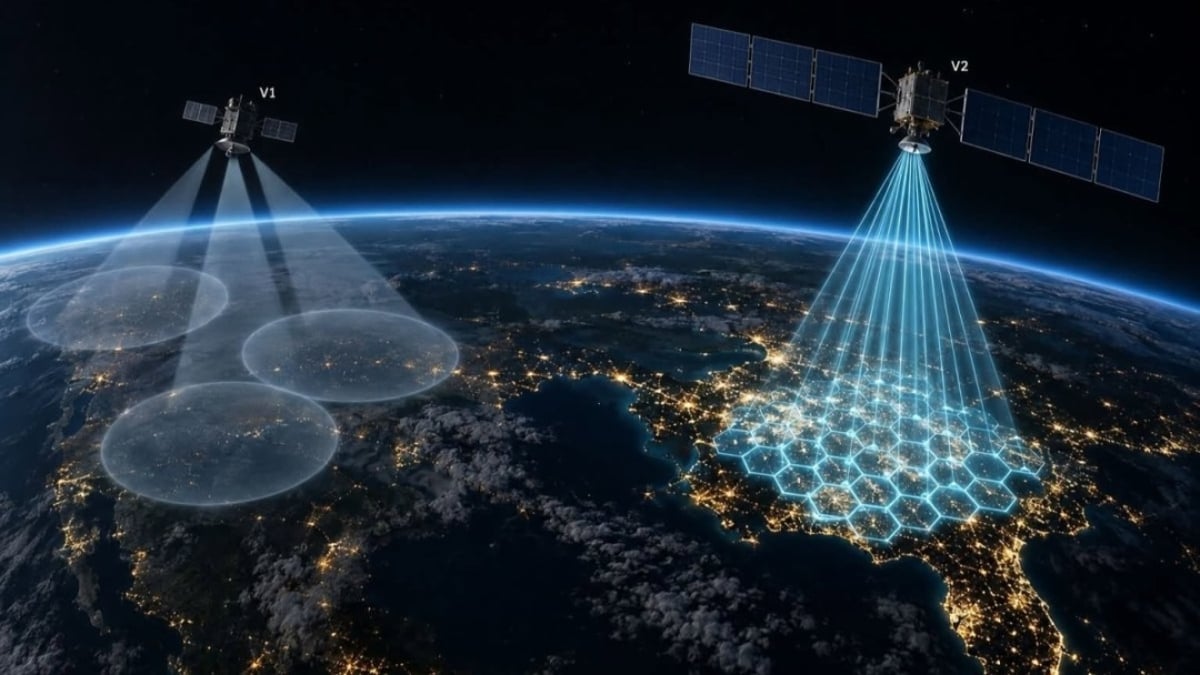
The Defence Intelligence of Ukraine has released details regarding the implementation of the Russian satellite communication project 'Rassvet'. Russia is attempting to create a Starlink equivalent but faces technological limitations and a shortage of components. This was reported by Ukrinform citing Defence Intelligence of Ukraine, according to the portal PromPolitInform.
The agency notes that the development of this system is accompanied by significant technical complications. In particular, none of the 30 satellites currently in orbit have reached the target altitude of 800 kilometers; instead, they are fixed at levels between 500 and 520 kilometers. Furthermore, two satellites have already ceased operations, and the next launch scheduled for 2026 has been cancelled or postponed.
Technological barriers and components
Despite the aggressor’s desire to scale the constellation to nearly a thousand satellites by 2035, the project demonstrates a critical dependence on imported electronics. Key suppliers of electronic components for antennas and ground stations are enterprises from the PRC. Meanwhile, the industrial cooperation involves at least 46 Russian and three Belarusian companies, with some of them still not subject to international sanctions.
A significant role in the system is played by JSC OKB Fakel from Kaliningrad, which supplies low-thrust engines. DIU emphasizes that this same enterprise previously manufactured components for satellites owned by the British company OneWeb. It is possible that the Russians gained access to foreign technology during their collaboration before 2022, which they are now utilizing in the ‘Rassvet’ project.
Infrastructure and terminals
The ground segment of the system is based on a main control center in Moscow and an extensive network of stations in various regions, including Murmansk, Norilsk, and Yuzhno-Sakhalinsk. To launch satellites into orbit, the aggressor uses Soyuz-2.1b rockets launched from the Plesetsk cosmodrome.
Alongside satellite deployment, the occupiers are working on user terminals. In September 2026, testing for the ‘Ultra’ device was completed, which is capable of supporting download speeds of up to 650 Mbps. By the end of this year, plans are in place to produce a thousand such terminals, with five additional modifications for various needs, including an aviation version called ‘Povietrya’, planned for the coming years.
Photo: Укррадіо
Read also: DIU and CCD published data on Russian agents of influence in the EU