In Europe, I learned to drink water, go for walks in the fresh air, and keep paracetamol and ibuprofen on hand. I was only prescribed antibiotics after a week of suffering from chronic sinusitis, because the expectation was that I would recover on my own.
European medicine sometimes reminds me of the story of the Spartan selection of physically strong children. In ancient Sparta, a father could not unilaterally decide the fate of a newborn. The child was brought to the elders for inspection, and if they considered it sufficiently strong and healthy, the family was allowed to raise it. If the infant seemed weak, sickly, or had physical deformities, it was allegedly sent to the Apothetae area near Mount Taygetos, where it was left to die.
I am certainly exaggerating with this story, but the point is that in general practice, the body is given a chance to fight back without being hammered by strong antibiotics, hormonal ointments, and handfuls of pills.
We, Ukrainians, are used to a slightly different approach: a stronger antibiotic, more intensive therapy, and immediate symptom relief. Therefore, for those living in one of the EU countries, the following story might only elicit a sarcastic smile. But a doctor at an appointment here might ask if I have been drinking enough water, if I have been going for walks, and suggest over-the-counter paracetamol for pain relief.
And this does not necessarily mean the doctor does not want to treat you. It is just that the approaches to treatment, responsibility for health, and the use of medication are somewhat different here.
Medical insurance in Germany
I may not consult a doctor for such recommendations, but in Europe, I am obliged to have medical insurance. In my few years of emigration, I have managed to get acquainted with the healthcare systems of two countries – Germany and the Netherlands. And although both belong to the European social insurance model, there is a difference between them.
In Germany, most employees are covered by the statutory health insurance system (gesetzliche Krankenversicherung). The insurance contribution depends on income: the main part is borne by the employee through salary deductions, while the employer pays approximately half of the contribution, including an additional surcharge. When I lived on social benefits, my health insurance was paid for by the Jobcenter. That is, I did not have to pay out of pocket for basic insurance every month.
In principle, this coverage was enough to visit a general practitioner several times a year, see a specialist, and receive necessary treatment within the insurance package. Of course, not all medical services and drugs are covered equally: there are co-payments, restrictions, and specific reimbursement rules.
What I like most is the ability to choose your own doctor and medical facility (Praxis). In Germany, the Doctolib app is popular, where you can find a specialist, choose a convenient location, view available hours, and make an appointment (Termin). If you do not click with a specific specialist, you do not need to be afraid to change doctors. Next time, you can book an appointment with another expert or even a different practice without any major consequences.
The wait time is a different story. This is where the true European therapy of patience begins.
Germans, for example, often simplify a trip to the optometrist by going directly to an optical store to check their vision and order glasses. It reminds me of a clever direct sales marketing tactic. However, the situation with specialists is often more complicated. I know the story of an elderly German who had severe leg pain but only managed to get an appointment with the appropriate specialist several months in advance. He had to search for physical therapy on YouTube and take painkillers while waiting for the appointment.
All this is often explained by a shortage of specialists, especially in small towns and villages. But there is another side to the system that is less frequently mentioned to patients. In the German statutory insurance system, there are budgeting mechanisms for medical services: the volume of certain services that a practice can be reimbursed for at the full rate is limited. After exceeding set volumes, a portion of services may be paid at reduced rates. This does not mean the doctor automatically works for free after a certain number of patients, but economic incentives can influence the organization of appointments and the availability of slots.
Unlike in the Netherlands, in Germany, a patient in the statutory insurance system can usually see a specialist without a referral from a GP. There are exceptions, but in general, this is a significant advantage that simply makes life easier. You do not have to explain to your GP every time why you need to see another specialist, convince them, and depend on their decision.
Another plus is the ability to receive preventive care and rehabilitation services. For example, for medical reasons, you can get a referral for physiotherapy, particularly for back issues. And some insurance companies provide additional reimbursement for participation in preventive courses: gymnastics, yoga, and physical activity support programs.
In general, I like German preventive medicine. It is not just about the doctor’s habit of reminding you about water, walks, and physical activity. Women have access to regular gynecological exams and age-specific screening programs provided by the insurance system. The frequency of such check-ups depends on age and the type of screening.
Companies often organize yoga, gymnastics, and other corporate activities aimed at supporting employee health. Sometimes such sessions even take place during working hours. In other words, caring for health here is gradually becoming a part of not just personal, but professional life.
But there are things that are not easy for Ukrainians to get used to. We are used to stronger antibiotics, drugs that, as it seems to us, act faster and more powerfully. This is one of the main reasons for dissatisfaction with European medicine among Ukrainians.
When I came to the GP with severely exacerbated sinusitis, I directly asked for antibiotics. The doctor refused, explaining that there were not yet sufficient grounds for prescribing them, and suggested a follow-up appointment in a week to assess whether an antibiotic was truly still needed. A week! When you have not slept properly for several days.
Many of us, emigrants of different ages and genders, gained access to medical care through state insurance and went on a real raid of German practices. There are enough of us dissatisfied with consultations with narrow specialists, where one doctor refers you to another, and with the fact that it is impossible to get desired treatment for chronic illnesses we brought with us from Ukraine under basic insurance. But if we set emotions aside, we were still given the opportunity to be examined and treated in a system that would cost a lot of money in the private sector. And that is a huge plus.
Another aspect worth remembering is the language barrier. I have repeatedly had to accompany people as an interpreter to appointments with various specialists. Without knowledge of the language, it is very difficult to explain your complaints and symptoms, ask questions, and understand the doctor’s answers. Therefore, it is worth preparing for such appointments: write down symptoms in advance, use a translator, or bring someone who can help explain the situation and relay recommendations.
And one more observation I made during my time in Germany. If you look around on weekdays and weekends, in cafes, on walks, and at local markets, you can see quite a few mobile elderly people. Some get around on tricycles, others on electric scooters or wheelchairs. Shopping centers, museums, public spaces, and buildings with ramps – all this allows older people to remain part of social life rather than being confined to their homes due to physical limitations.
Compared to Ukraine, where accessibility of the urban environment for the elderly remains a problem, this difference is particularly noticeable. I even think that medicine in Germany provides strong support to the older population and the opportunity for a young body to cope with most ailments on its own.
Medicine in the Netherlands
In the border areas of Germany, you can meet quite a few Dutch people who come for groceries, shopping, and cheaper fuel. And conversely, Germans often stop by Dutch stores to buy over-the-counter medications. Paracetamol remains the popular painkiller here, although ibuprofen is also available without a prescription. Both can be found in pharmacies and drugstores like Kruidvat.
After moving to the Netherlands, I encountered a medical system that differs from the German one not only in the organization of insurance but also in the approach to the patient. For example, the system of support during pregnancy and childbirth is organized quite unusually here. The Netherlands is traditionally distinguished by the high role of midwives (verloskundige) and a woman’s ability to choose where to give birth: at home, at a birth center (geboortecentrum), or in a hospital if there are no medical contraindications. Home births remain a common practice here, accounting for about 13% of all births.
But postpartum care seems even more interesting to me. After the birth of a child, a special helper—a kraamverzorgster—comes to the family’s home. During the first days, usually until the eighth day after birth, she helps take care of the infant, monitors the condition of the mother and child, provides advice on feeding, explains the nuances of baby care, and even helps with simple household chores. This service is called kraamzorg and is included in basic medical insurance, although it requires a mandatory personal co-payment, and the number of hours of help is determined individually.
Every adult resident here pays for medical insurance independently. Its cost depends on the insurance company and the chosen package of additional services. You can change your insurer every year, and in the autumn, usually in November, you can review the terms of the contract for the next year.
My insurance is basic and costs about 150 euros per month. The older people are, the more expensive insurance can be due to age-related risks. For those with low income, there is a state compensation for part of the insurance costs—zorgtoeslag. Children under 18 must also be insured, but parents do not pay a separate insurance premium for the basic package for them.
The Netherlands is a significantly more digitalized country compared to Germany. And this is noticeable even during the first visit to a doctor. Initially, you can get a consultation with a GP’s assistant (huisarts) over the phone. The practice conducts an initial survey, clarifies symptoms, and determines the urgency of the visit. Sometimes you may be asked to send a photo of the problematic area so the doctor can pre-assess the situation and provide recommendations.
The family practice effectively filters all requests. Most common illnesses are treated by the GP, and if there is a need for a specialist, they provide a referral.
This is one of the main features of the Dutch system: the huisarts is not just a doctor you go to with a cold or fever. They are fundamental to medical care and coordinate further treatment. The GP can perform basic gynecological examinations, check-ups for children, prescribe tests, and determine if a specialist consultation is needed. That is, not every problem automatically leads you to a gynecologist, dermatologist, or other narrow specialist.
Often it goes like this:
– We can book you for next week.
– No, I need it sooner.
– Okay, come this Friday.
– I’m in severe pain, can I come in even earlier?
– Okay, come in an hour.
And it is like that almost every time. On one hand, the system tries not to overload doctors with unnecessary visits, and on the other, it assesses the urgency of each request and tries to delay them. Sometimes it works very well, and sometimes you just want to book an appointment with the necessary specialist yourself and avoid unnecessary medical communication.
By the way, the GP in the Netherlands is also the first doctor for a child. You don’t need to look for a separate pediatrician for ordinary childhood illnesses. Children are usually registered in the same family practice as their parents and receive referrals to a pediatric specialist if necessary. A separate system of child consultation centers (consultatiebureau) operates to track the development of babies, perform preventive check-ups, and administer vaccinations.
It is also interesting that here, in my opinion, you can get antibiotics somewhat faster than in Germany. At least my personal experience was exactly that. But that does not mean that antibiotics are prescribed without restrictions in the Netherlands: the decision still depends on the diagnosis, symptoms, and medical indications.
Children can stay home for a day or two due to illness without a mandatory sick note and a doctor’s visit. There is more trust in parents and the patient themselves. If an adult gets sick and cannot work, their condition is first assessed by an occupational physician (bedrijfsarts), and then you can see your GP for prescriptions.
As in Germany, in the Netherlands, you can get a sick note for psychological exhaustion, stress, or burnout. You can report overwork at your job, seek help, and get recommendations for treatment and recovery. I know the story of a police officer in Germany who was on paid sick leave for about six months due to emotional exhaustion!
Another interesting point: despite a fairly restrained approach to medication, the technical base of Dutch and German medicine impresses me. Modern equipment, diagnostic capabilities, emergency aid organization, and air ambulance services all create a sense of a technologically advanced system.
In Ukraine, we also have educated and experienced specialists, often with very strong clinical schools. But access to modern equipment and diagnostics often depends on whether you can afford private medicine. Public institutions in many cases have limited resources, and the war has only exacerbated this problem.
On one hand, European medicine sometimes seems too slow: you are advised to drink water, walk, take paracetamol, and wait. On the other hand, behind this is a system of insurance, prevention, diagnostics, and long-term health support that covers a significant part of the population.
Perhaps we Ukrainians are just used to medicine that tries to put out a fire quickly, while the European system is more oriented towards ensuring the fire does not start in the first place. But does this always work? Does it happen that in the desire to avoid over-treatment, doctors sometimes miss the moment when a patient already needs serious help?
We have strong doctors but not always a sufficient technical base. Europe has modern equipment and developed insurance, but sometimes forces the patient to wait a long time and put up with minimal intervention.
So what is better for us – the usual intensive therapy or European medicine of prevention, patience, and paracetamol?
Author: Iryna Lukianets, Ukrainian volunteer and emigrant
Photo by the author
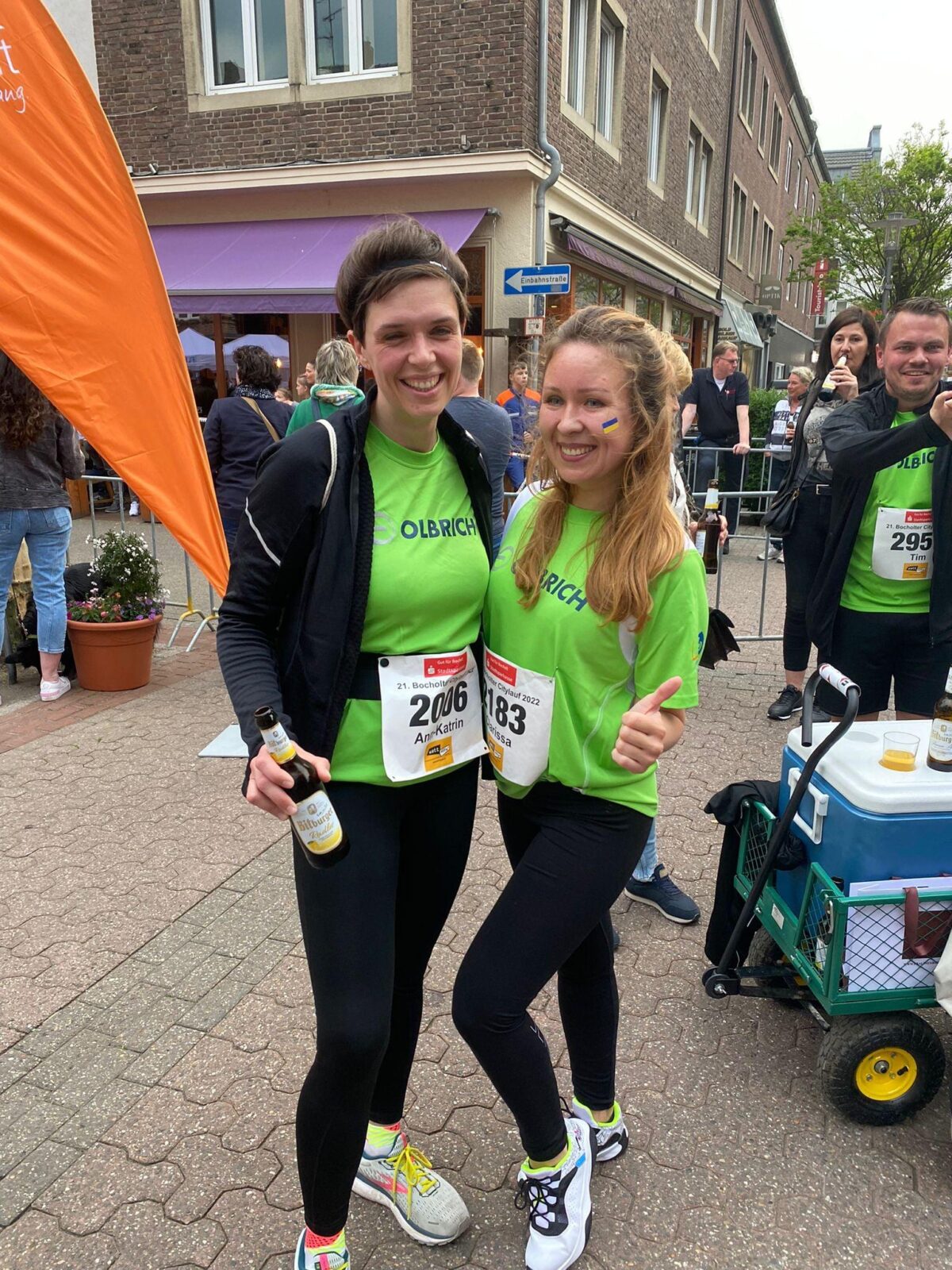
Photo: Sport is the best medicine
Read also: Trump Administration to Reduce US Troop Presence in Europe to 80,000