The modern geopolitical landscape is increasingly shaped by quiet diplomacy, where official statements from high-ranking officials differ significantly from real actions on the ground. A manifestation of this tactic was the visit of CIA Director John Ratcliffe to the Russian capital, as reported by CBS News. The arrival of the head of the American intelligence agency in Moscow took place against the backdrop of non-public but persistent appeals from Washington to the Ukrainian authorities, requesting a temporary restraint from using forces and assets to strike targets in the capital of the aggressor state.
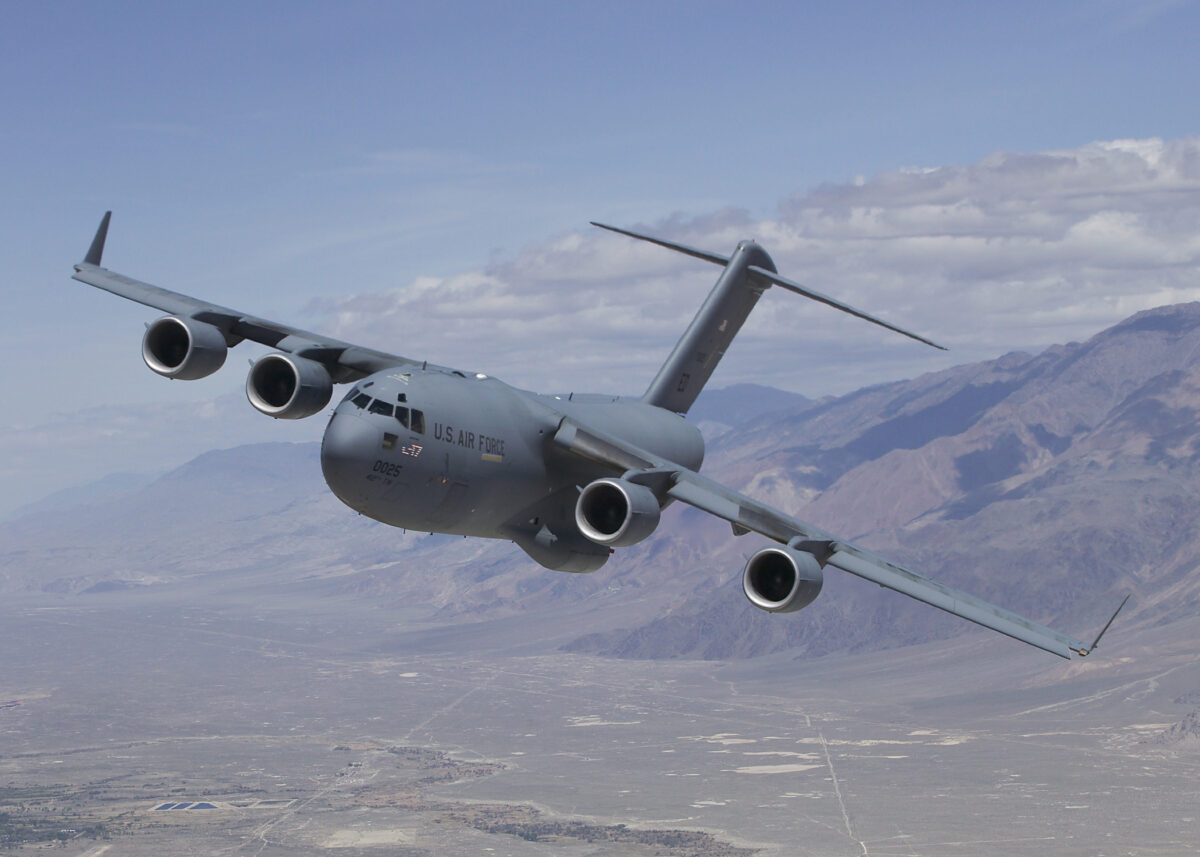
An analysis of the movement route of American officials points to a carefully planned and simultaneously masked operation. According to the monitoring service Flightradar24, a military transport aircraft Boeing C-17 Globemaster III with the tail number RCH4555 landed at Moscow’s Vnukovo Airport. The starting point of this vessel’s route was Andrews Air Force Base in Maryland, which traditionally facilitates flights for senior U.S. leadership, including President Donald Trump. On August 23, the plane arrived in Riga, from where it subsequently set course for the capital of the Russian Federation, where, immediately after its landing, a motorcade with U.S. diplomatic plates was observed moving.
The main reason cited for officials from the United States sending a request to Kyiv to refrain from attacks on Moscow in the coming days is the need to ensure security during the work of the American delegation. At the same time, the reaction of the Russian side to this event demonstrates classic information masking techniques. Kremlin representative Dmitry Peskov stated that he had no information regarding the arrival of the American plane and assured that no official meetings between the leadership of the Russian Federation and White House officials in Moscow had been planned.
The contrast between the physical presence of the American military aircraft at Vnukovo and the public denial of facts by the Russian dictator’s spokesman underscores the deeply back-channel nature of the negotiation process. The involvement of the intelligence agency head indicates that the subject of discussion concerns sensitive issues that go beyond standard diplomatic routine. However, Washington’s attempt to ensure a “silence regime” over Moscow by restraining Ukrainian responses demonstrates how high the risks remain for American officials during direct contact with the Kremlin.
Illustrative photo: U.S. Air Force / Public domain