Did Russia manage to intimidate the West by launching an ICBM from Plesetsk on August 28, 2026?
Russia has once again demonstratively launched an intercontinental ballistic missile from Plesetsk. Officially, they are testing the complex’s characteristics. Unofficially, it looks very much like an old Kremlin performance: “Fear us, because we have a big missile.”
This was written by Ivan Arefiev specifically for the Prompolitinform portal.
It looks especially interesting a few days after the unannounced visit of CIA Director John Ratcliffe to Moscow. True, Plesetsk has a different history: when the Russians demonstrated their “Sarmat,” after one of the tests the world saw not a triumph of Russian rocket science on satellite images, but a huge crater.
So the Kremlin’s scheme is old: if you can’t convince, scare. If you can’t scare, show a missile. And if the missile doesn’t fly, show a hole and say it was intended.
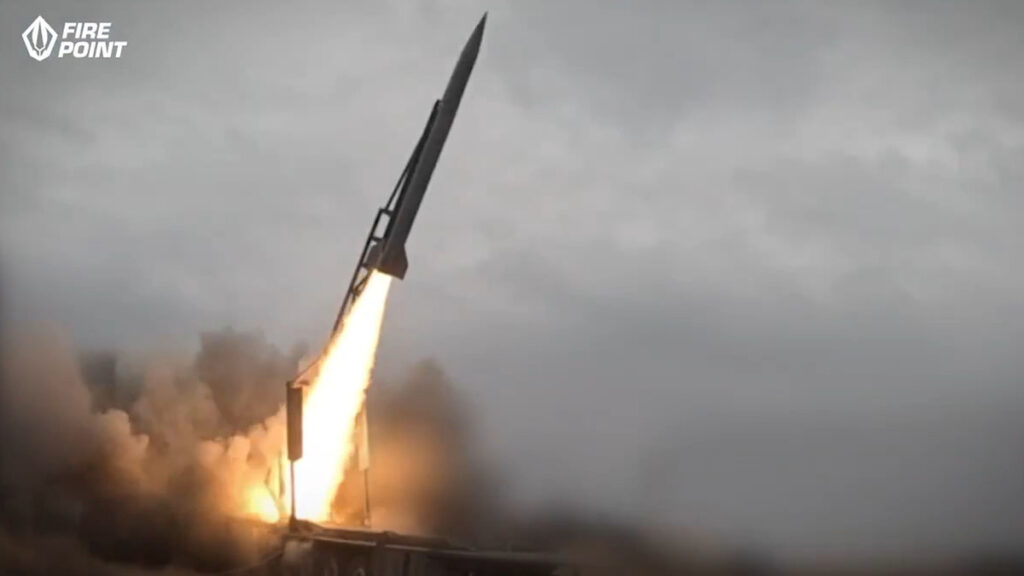
On August 28, 2026, Russia again decided to remind the world that it has big missiles. A training and combat launch of a solid-fuel mobile-based intercontinental ballistic missile was carried out from the “Plesetsk” cosmodrome.
The official explanation is traditionally serious: testing the tactical, technical, and flight characteristics of the missile system. But the unofficial subtext is much easier to read: “Look and fear us. Our missile flew.”
This looks especially symbolic after the unannounced visit of CIA Director John Ratcliffe to Moscow on August 25. The content of the negotiations was not officially disclosed, so there is no evidence to directly link today’s launch with his visit. But as a political demonstration of power, such a launch in the current situation suits the Kremlin very well. Because the nuclear-missile bogeyman has long been one of the main tools of Russian foreign policy.
When there is nothing to convince with, you need to scare. When things are not going as they say on TV, you need to show a missile. When the West stops reacting to another “we will destroy everyone,” you need to find an even bigger missile.
But there is one detail that is inconvenient for the Kremlin. The “Plesetsk” cosmodrome remembers not only beautiful launch footage. In September 2024, according to independent experts and an analysis of satellite images, the test of the RS-28 “Sarmat” ended catastrophically — the same intercontinental missile with which Russian propaganda has been scaring the US and Europe for years.
Instead of a demonstration of power, the world saw a huge crater about 60 meters wide and a seriously damaged launch pad.
It turned out to be very Russian: they wanted to show “no analogues” — they showed a hole. They wanted to scare Washington — they scared the spaceport personnel. They wanted to demonstrate technological greatness — they had to explain satellite photographs.
Moreover, the history of “Sarmat” does not look like a flawless parade of victories at all. After a successful test in April 2022, the program experienced a series of problems and failed tests. Only in May 2026 did another successful launch take place.
Therefore, today’s launch is not proof that Russia has suddenly become all-powerful. Russia has intercontinental missiles. It has nuclear potential. And underestimating it would be foolish.
But it is even more foolish to fall under the table every time the Kremlin demonstratively opens the doors of its missile shed.
OLD MOSCOW HANDBOOK
The Russian scheme has long been primitive: missile → TV → threats → the West should get scared → Putin is a “great geopolitician” again.
Except that after years of this war, the effect is not the same. Because everyone has seen more than just Russian missiles. They saw “Kyiv in three days.” They saw the “second army in the world.” They saw the sunken “Moskva.” They saw burning Russian refineries and military facilities. And they saw Plesetsk, where after another demonstration of the “Sarmat,” a huge hole remained in the ground.
Therefore, when the Kremlin again demonstratively launches an ICBM today, there is absolutely no need to panic. It is necessary to take the Russian nuclear arsenal seriously. It is necessary to understand the political purpose of such demonstrations. But not to let the Kremlin manage our fear.
Because the Moscow trick is already old: if you cannot convince the world of your greatness, try to scare it. And if the missile suddenly does not fly, declare the crater the result of a successful soil test.
This is, in fact, what these ghouls from the swamps are best at: threatening, intimidating, and puffing out their cheeks. The main thing is that during the next demonstration of “greatness,” they do not mistake the cosmodrome for a quarry again.
Author: Ivan Arefiev
Collage: Andriy Atlantov
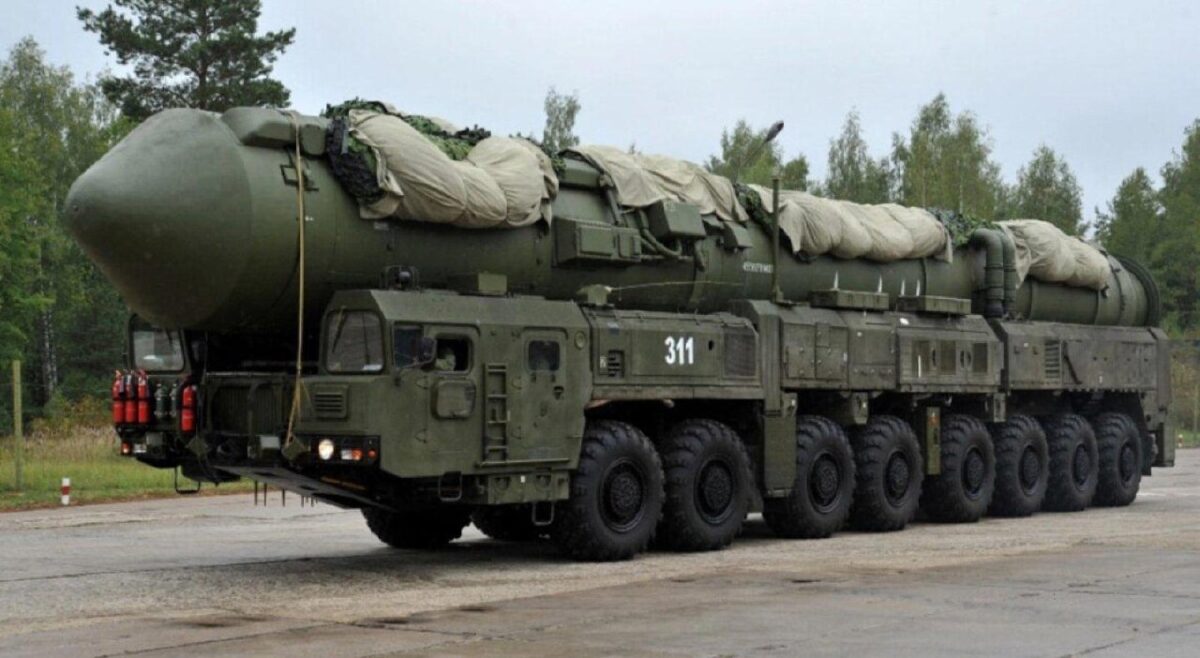
Photo: Russian intercontinental ballistic missile