The Federation emphasizes the need for tax breaks and a review of Ukrzaliznytsia tariffs
Ukraine must urgently change its support policies for large businesses to prevent large-scale industrial shutdowns. Due to Russian strikes and logistics challenges, the industry is losing its ability to operate without state intervention. This was reported by RBC-Ukraine (Юлія Бойко) citing Serhii Bilenkyi, according to the portal PromPolitInform.
Head of the Federation of Metallurgists of Ukraine Serhii Bilenkyi emphasizes that the Russian strategy aims to destroy the country’s economic foundation. Persistent attacks on production and infrastructure facilities have already led to a critical situation in the metallurgical sector.
Currently, the Zaporizhstal and ArcelorMittal Kryvyi Rih plants have effectively ceased operations. In addition, the blockade of maritime routes forces businesses to shift to expensive overland routes, increasing logistics costs by 3 to 5 times.
Economic consequences
The situation is complicated by the introduction of new EU quotas, the CBAM mechanism, and a decision to increase Ukrzaliznytsia freight tariffs by 30 percent. The expert warns that the companies’ internal reserves are exhausted.
According to data from the Federation of Employers of Ukraine, about 45 member enterprises suffered significant damage in the first half of August alone. It is projected that mass shutdowns will lead to job losses and the loss of qualified personnel, whose training takes years.
Stabilization mechanisms
To preserve industrial potential, the Federation of Metallurgists proposes restoring systematic industrial policy. Key steps should include diplomatic efforts to unblock ports and a review of the Ukrzaliznytsia tariff policy.
There is also a proposal to introduce temporary tax relief, specifically land tax exemptions for damaged production facilities. A separate emphasis is placed on creating mechanisms for war risk insurance.
The lack of support threatens a chain reaction that could trigger a drop in export volumes, pressure on the exchange rate, and inflation. Bilenkyi notes that supporting operating facilities is more cost-effective than trying to compensate for the aftermath of their full shutdown.
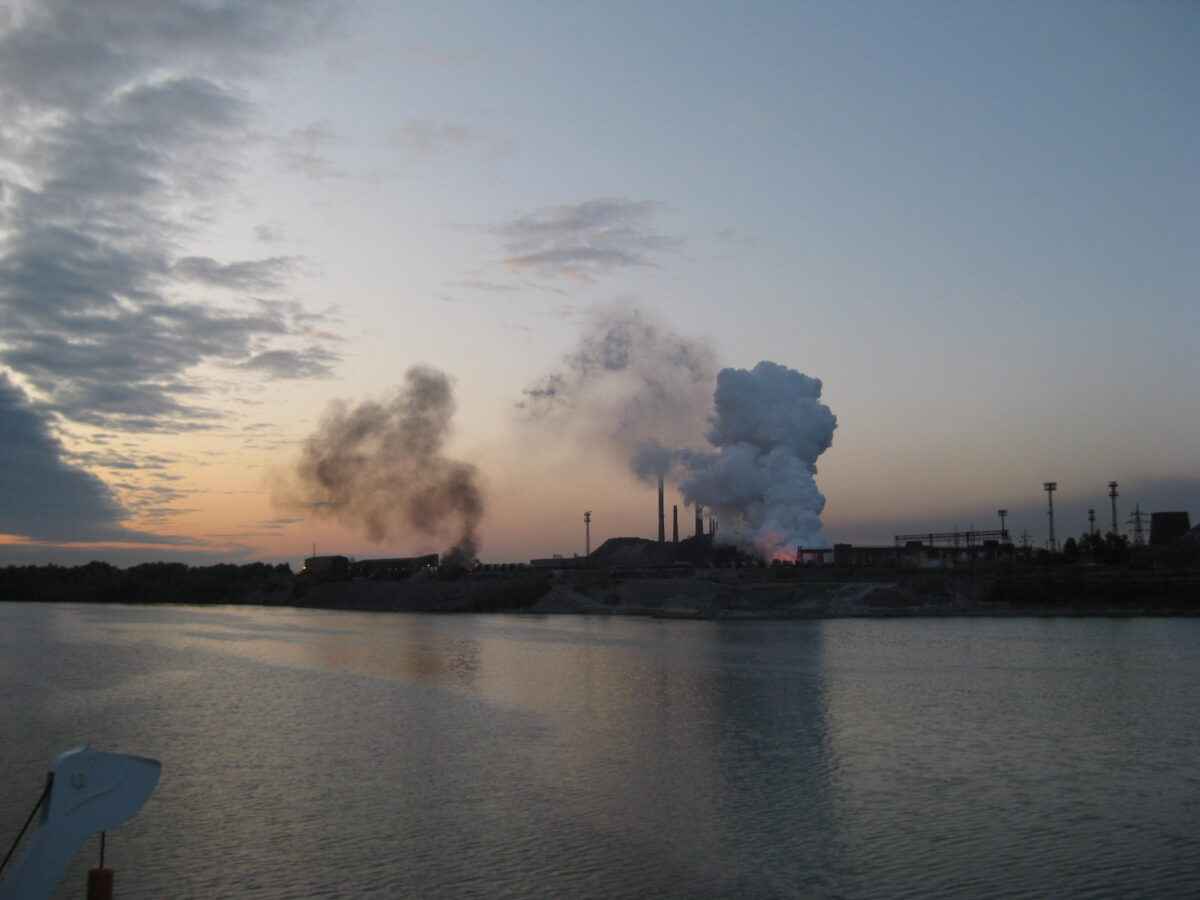
Illustrative photo: Marion Golsteijn / CC BY-SA 3.0
Read also: Ukrainian steel industry under double blow: Reuters reports new threat