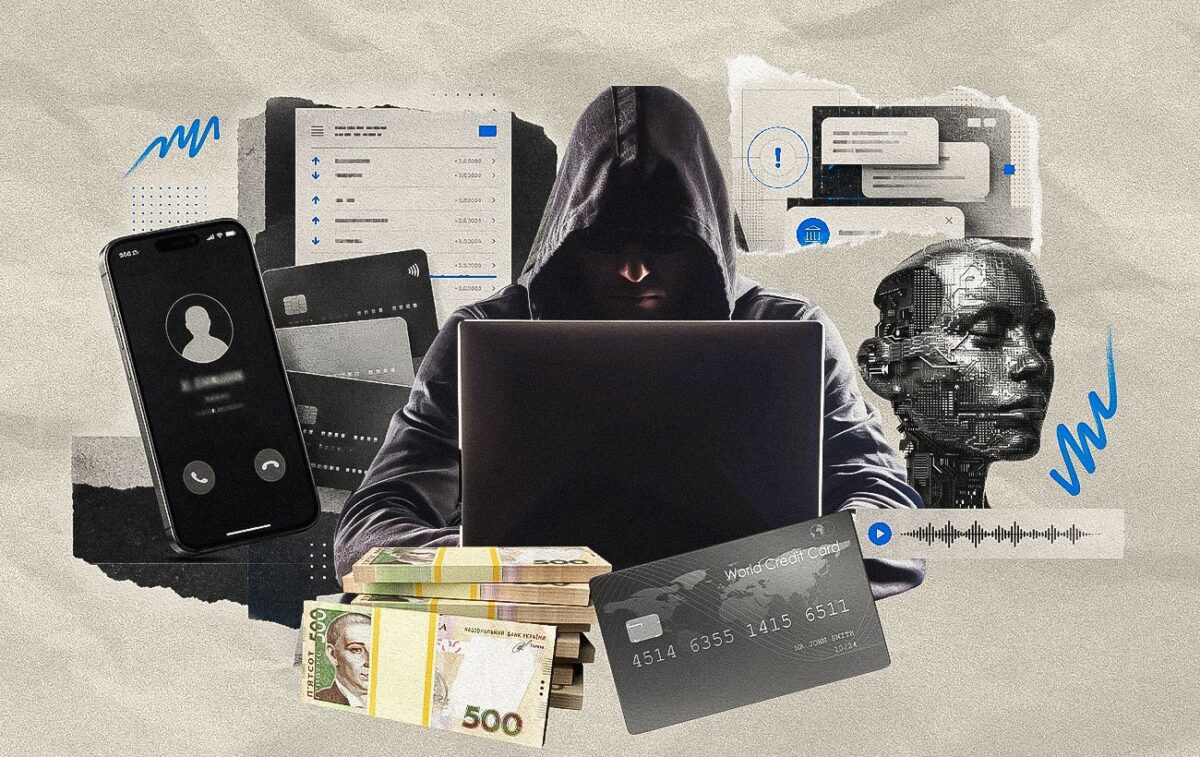
In 2026, fraudsters in Ukraine are actively utilizing artificial intelligence tools to refine social engineering methods. Despite a decrease in the number of illegal card transactions, the total financial losses from such criminal activities have increased by 24%. This was reported by RBC-Ukraine (Анна Рижук) citing Nataliia Fihol, according to the portal PromPolitInform.
Criminals use neural networks to automate attack preparations, clone voices, and create fake media content. According to experts, the key strategy involves combining these technologies with psychological pressure, aiming to coerce victims into performing financial operations themselves or granting access to personal data.
This year, specialists have recorded instances of 3D models and deepfake technology being used to attempt to bypass biometric verification in banking systems. Furthermore, so-called NFC Relay attacks have become widespread, where clients are persuaded under the guise of security updates to install third-party software that grants fraudsters remote access to their payment instruments.
Methods of Manipulation Through Artificial Intelligence
Technology allows criminals to create personalized deception scenarios by tailoring communication styles to specific individuals. Through social media, fraudsters collect voice recordings for playback, enabling them to realistically imitate conversations with relatives or colleagues who are in urgent need of financial assistance.
Investment fraud has also evolved due to the generative capabilities of AI. Fake platforms with revenue charts are being created, visually mimicking the operations of legitimate financial institutions, while generated videos featuring well-known experts promoting dubious assets are used to lure investors.
Safe Behavior and Loss Minimization
In case of receiving alarming messages or calls from entities claiming to be banks or government bodies, citizens are advised to terminate contact and verify information through official channels. It is important to remember that banking institutions do not request confidential passwords, do not demand the installation of third-party software from messengers, and do not ask for cards to be placed against phones for “scanning.”
If fraud is confirmed, it is necessary to immediately block accounts and contact law enforcement. The Cyberpolice emphasizes that preserving correspondence and transaction screenshots is critical for investigations, while strongly advising against turning to third-party “intermediaries” who promise to recover stolen funds for a fee.
Photo: RBC-Ukraine